
Water Quality
Although the tannin-tinted waters of the St. Croix are some of the cleanest in the Midwest, not all is well. Some of these threats are hard to see at a glance, while others are visible. Learn more about threats to the Riverway’s water quality below.
Phosphorus
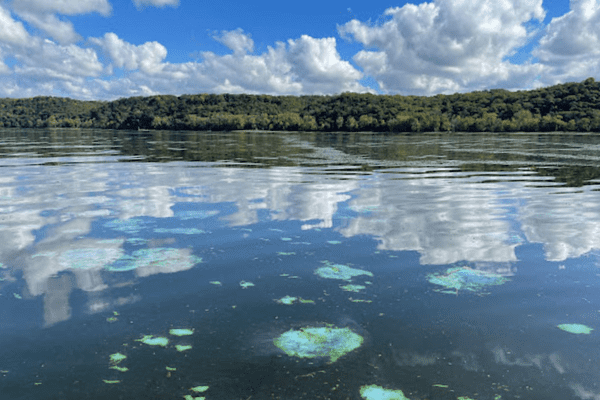
Phosphorus is the primary source of green and blue-green algae growth. Frequent algae blooms mean less clear water, which makes boating, fishing, and swimming less enjoyable. In addition, toxins produced by a type of algae called blue-green algae can be harmful to humans and pets.
While more than half the phosphorus that enters Lake St. Croix is estimated to come from agriculture, local farms are working together in farmer-led watershed councils to find farming methods that support farmers and cleaner water.
Wastewater
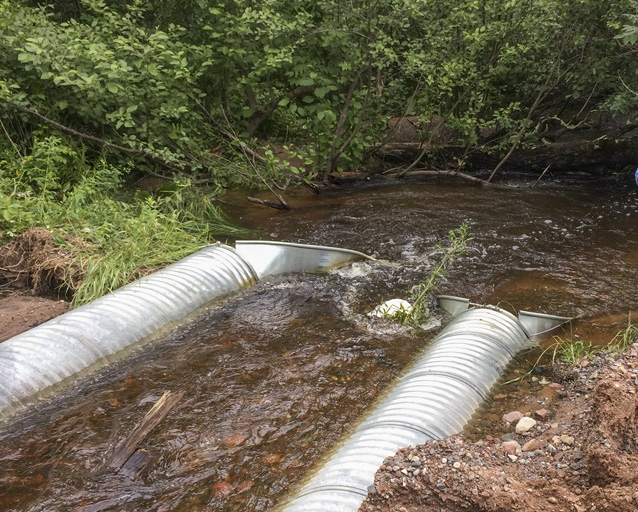
Wastewater treatment plants receive dirty water from homes, businesses, and industry and treat the water to remove solids, nutrients, bacteria, and other contaminants.
Wisconsin’s wastewater treatment facilities in the St. Croix Basin have seen a 77% decrease in phosphorus discharge since 1993.

Chlorides
Chloride is one component of salt typically used to melt ice on roads, sidewalks, and parking areas, and used in in-home water softeners.
Excess levels of chloride in the environment can be toxic to aquatic life, as they can stay in water bodies indefinitely.
What You Can Do to Improve Water Quality

Plant native plants to help reduce runoff
Reduce or eliminate lawn fertilizers
Use non-salt forms of deicer on sidewalks and driveways.

Learn More
Invasive Species
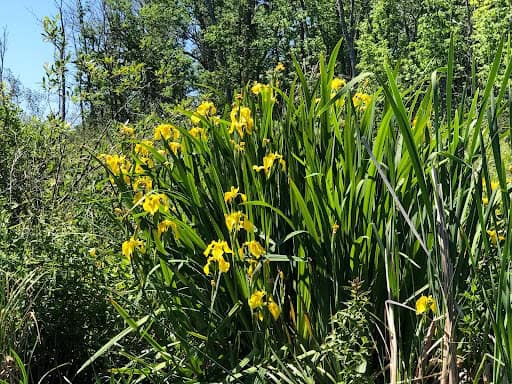
My, What Yellow Flowers You Have: Yellow Flag Iris and Its Impacts
May 19, 2024
Land
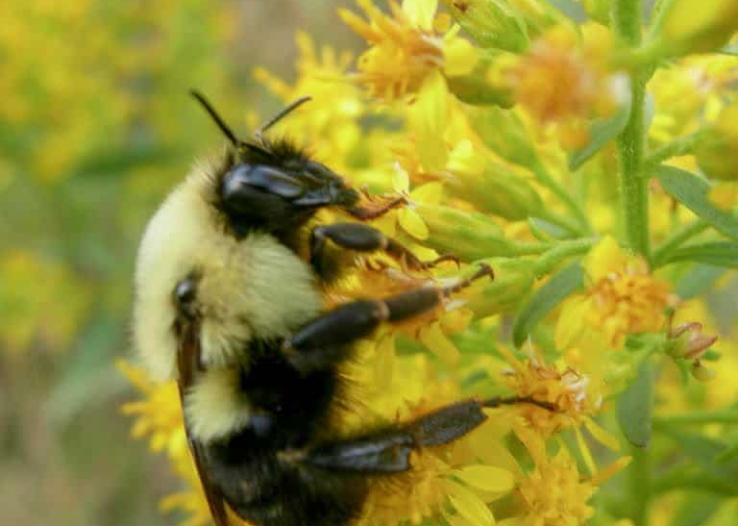
Plan Your Garden Today for Pollinators Tomorrow
March 6, 2024

Invasive Species
Emerald Ash Borer: A Small but Destructive Insect
December 4, 2023