Land Protection
You can make a difference on your land for future generations.
Preserving your legacy through permanent land protection
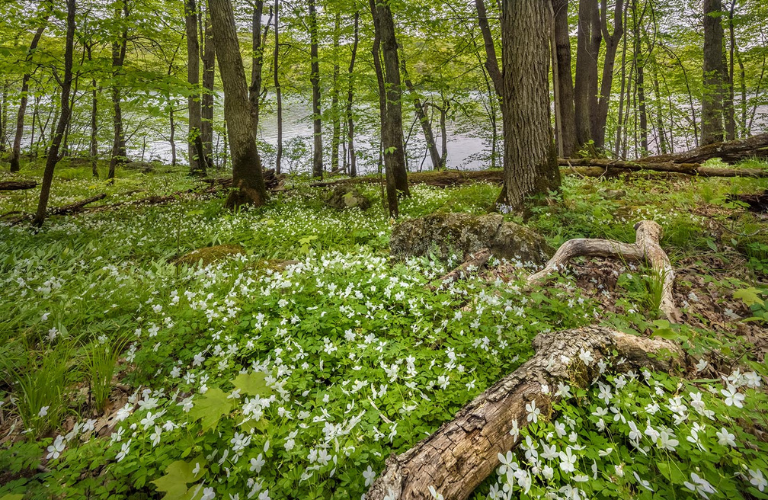
Over 70% of land in Minnesota is privately owned which gives individual landowners the opportunity to make a huge impact on the environment around them. Whether it be for preserving the family legacy or protecting crucial habitat for wildlife, permanent land protection is an option for you.
Protect your land for generations to come
What We Do
In 2019, Wild Rivers Conservancy entered into a partnership with the Minnesota Land Trust and The Trust for Public Land to help landowners permanently protect their land. Since then, we’ve received millions of dollars in funding from the Outdoor Heritage Fund to connect with landowners and enroll qualified properties in conservation easement and fee-title acquisition programs.
We Are Here To Help
Support
Providing a customized information packet about your woods.
Education
Hosting woodland ownership workshops and webinars.
Guidance
Helping you find the right options for your woods.
the decision to protect
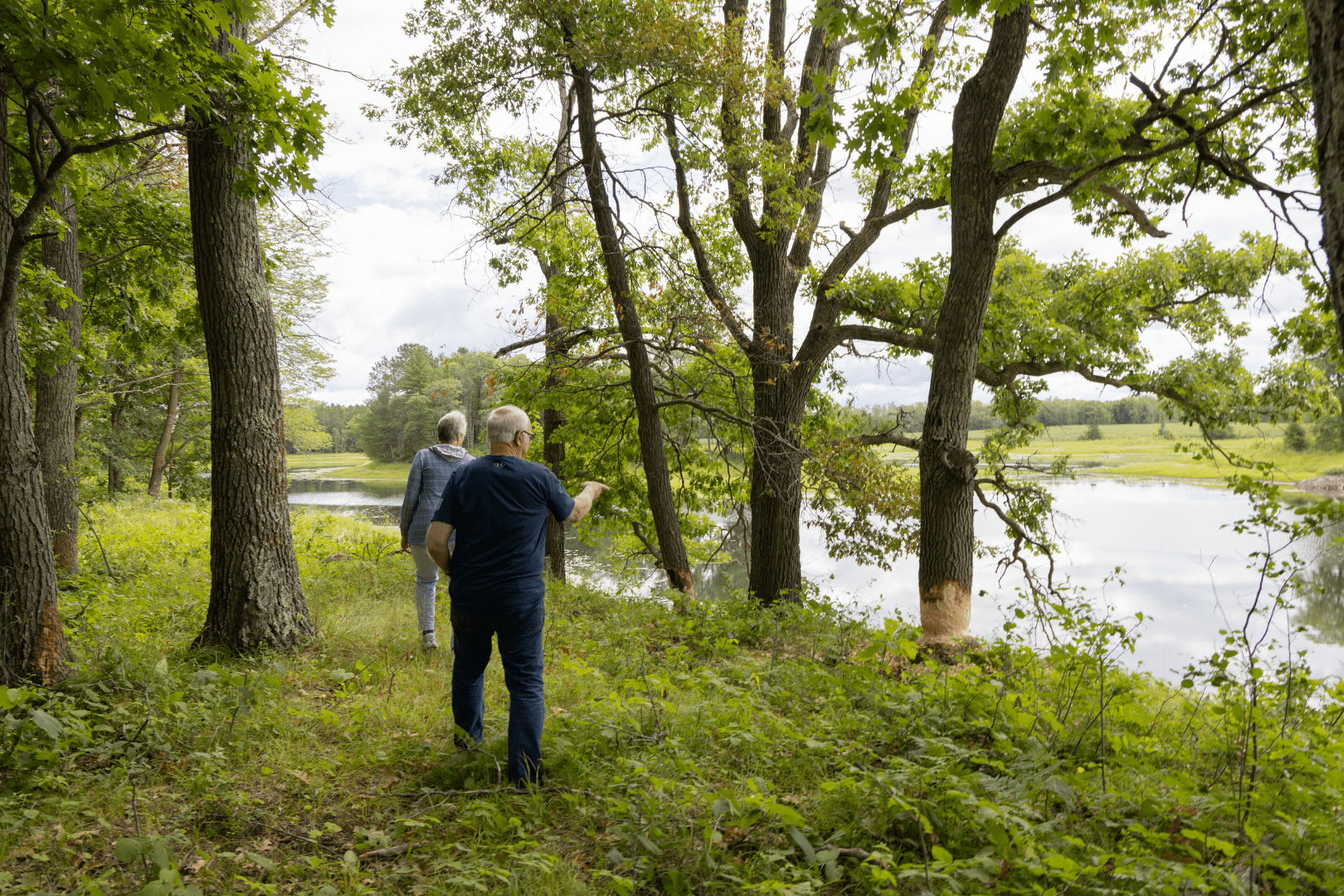
In 2026, Nancy and Dennis Liebelt permanently protected their 40 acres in Finlayson MN. Their land will remain undeveloped and wild forever.
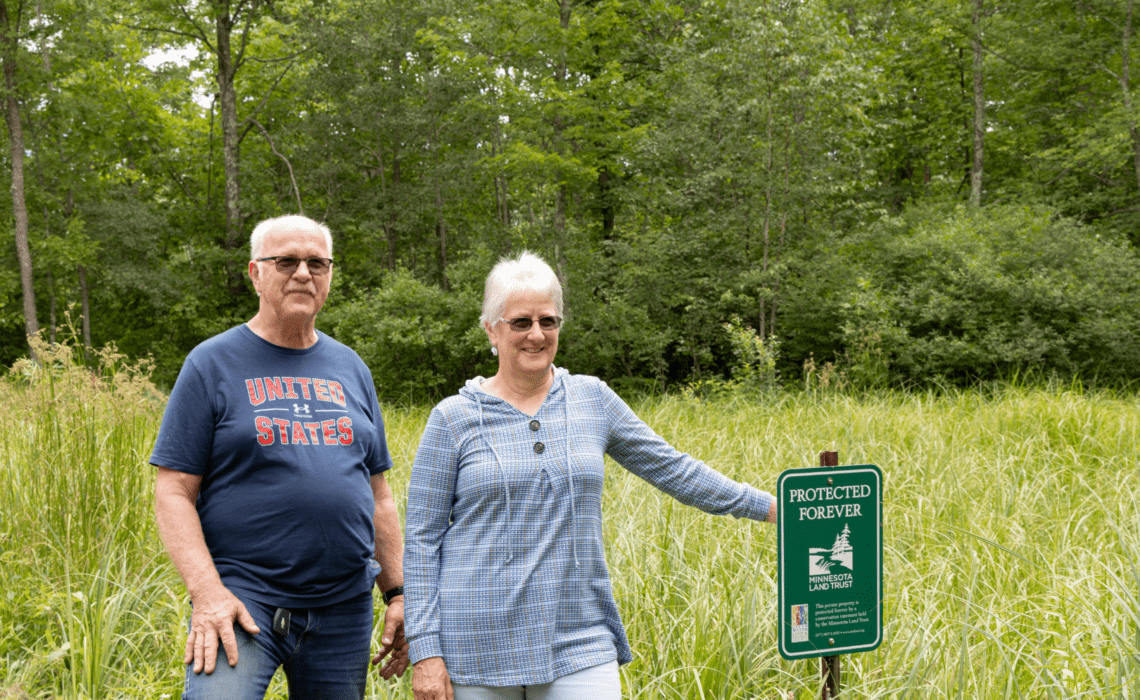
If you sat on Nancy and Dennis’ porch and looked out across the lake just a few years ago, you could gaze out onto untouched wilderness. Now, a large white roof is visible through the trees, even in full summer foliage. When development began encroaching on Mud Lake, Nancy and Dennis turned to a permanent land protection program to keep their 40 acres wild forever.
Nancy and Dennis chose permanent land protection for a variety of reasons: from the memories their family has made on the land, to the monetary compensation they received from the process. Above all, they recognize the value of their property as wild and undeveloped land within the greater St. Croix watershed.
“What we did was a real eye opener and really helped our community” -Nancy Liebelt
Read more about the Liebelts and their decision to pursue permanent land protection in our blog!
Making an impact for the lands we love
Since 2019, the St. Croix Watershed Habitat Protection and Restoration Program has worked with 20+ landowners to collectively protect 5,919 acres of high quality, private lands within the Minnesota side of the St. Croix Watershed. Learn about two of these protected properties. To learn about how you can protect your land, contact us.
Land Protection FAQ’s
Why Protect Land?
- More than 75% of the St. Croix watershed’s forest habitat remains unprotected and the threat of development, fragmentation and conversion to agriculture is substantial. At Wild Rivers Conservancy, we use permanent land protection as a way to protect large intact forests, sustain riparian forests, and restore and protect lands that are important to the 195 endangered, threatened and special concern species within the Minnesota-side of the watershed.
- Landowners who protect their land typically have lifelong memories on the property and have strong ties to the wildlife, natural features, and stories of their land. Many use permanent land protection as a way to preserve their legacy, earn income, and protect the property from changes caused by development, conversion to agriculture, and habitat fragmentation.
What is a conservation easement?
Conservation easements are voluntary, legal agreements through which landowners limit the use and development of their property to permanently preserve its natural or cultural features for public benefit. These real estate transactions involve several steps which result in a document that will protect the conservation values of the land forever.
What is fee-title acquisition?
Fee-title acquisition is a process where landowners donate or sell their land to a land trust who will manage and restore the land until it is transferred to the county or a conservation agency (such as the DNR). Land protected through fee-title acquisition is protected as a natural area and opened for public access for the community to enjoy in perpetuity.
Are there any financial benefits to protecting my land?
- Yes! Typically land protection programs will pay landowners to permanently protect their land, unless the landowner opts to donate their land or forgo payment.
- When enrolling in a conservation easement, landowners can request a desired payment per acre protected. If that amount is approved by the partnering land trust, the land will then be appraised to determine the easement value of the property. Easement value is the difference between the value of the land without an easement and the value of the land with an easement on it. Upon finalizing the conservation easement, landowners will receive a one-time payment up to 100% of the appraised easement value.
- When protecting your land through fee-title acquisition, landowners receive a one-time payment of up to 100% of the appraised value of the land.
Is my property eligible for land protection?
- A ranking system is used by conservation agencies to decide which properties to protect. Eligibility for land protection is often determined by the following factors:
- Size of property – typically 40 acres and up rank highest; although exceptions are possible
- Land Cover Type – properties with intact forests, shoreline area, or healthy prairie typically score highest
- Distance from other protected areas – properties near previously protected lands, such as a state park, WMA, SNA, or similar tend to score highest.
- Even if your property does not meet all of these criteria, please reach out to discuss permanent land protection options available to you.
Where do the funds come from to protect private lands?
Funding for the St. Croix Watershed Habitat Protection & Restoration Program was provided from the Outdoor Heritage Fund as appropriated by the Minnesota State Legislature and recommended by the Lessard-Sams Outdoor Heritage Council (LSOHC) to restore, protect, and enhance Minnesota’s wetlands, prairies, forests, and habitat for fish, game, and wildlife.
Funder
Funding provided from the Outdoor Heritage fund as part of the Clean Water, Land and Legacy Amendment
.
Check out our land protection blogs
Invasive Species
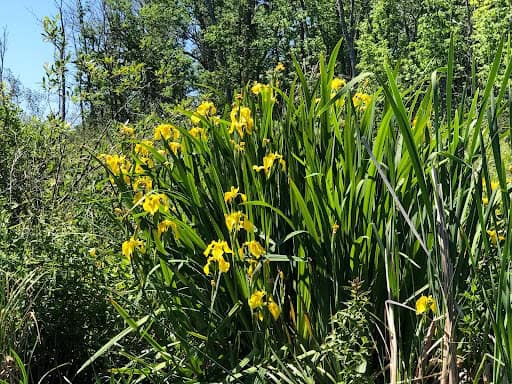
My, What Yellow Flowers You Have: Yellow Flag Iris and Its Impacts
May 19, 2024
Land
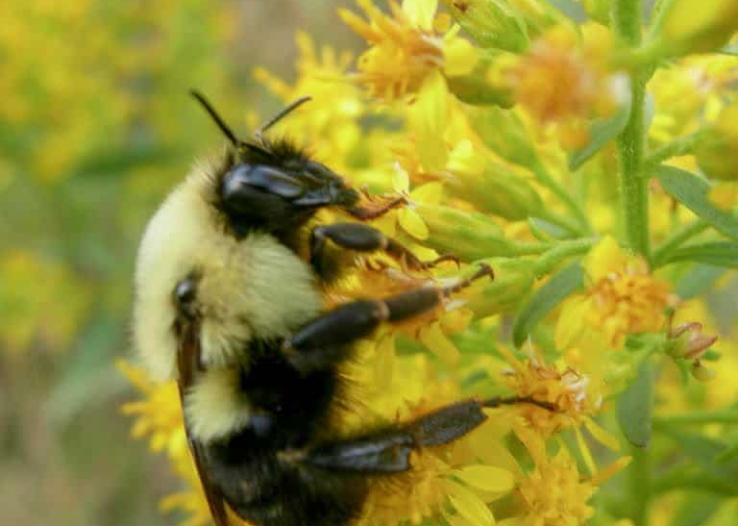
Plan Your Garden Today for Pollinators Tomorrow
March 6, 2024
Invasive Species
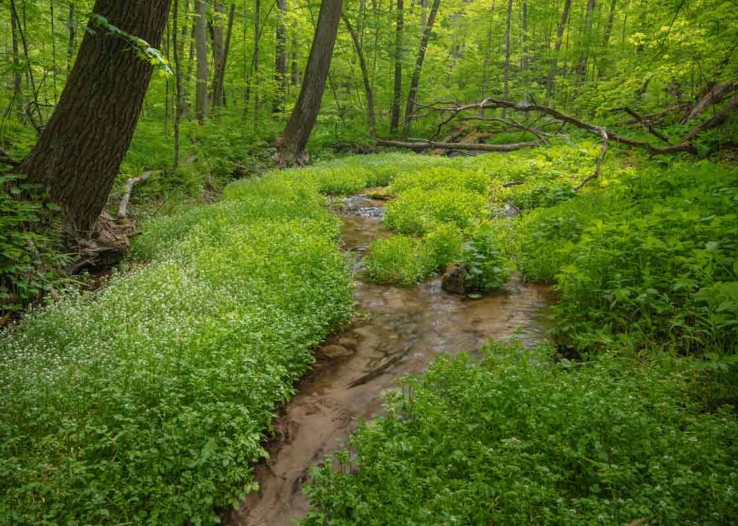
Emerald Ash Borer: A Small but Destructive Insect
December 4, 2023