
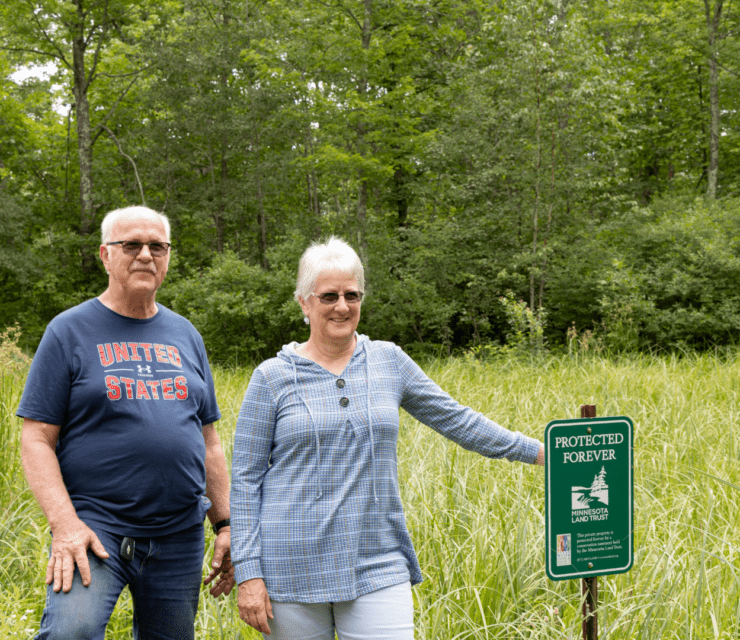
At the Wild Rivers Conservancy, we often say: “What happens to the land happens to the water.”
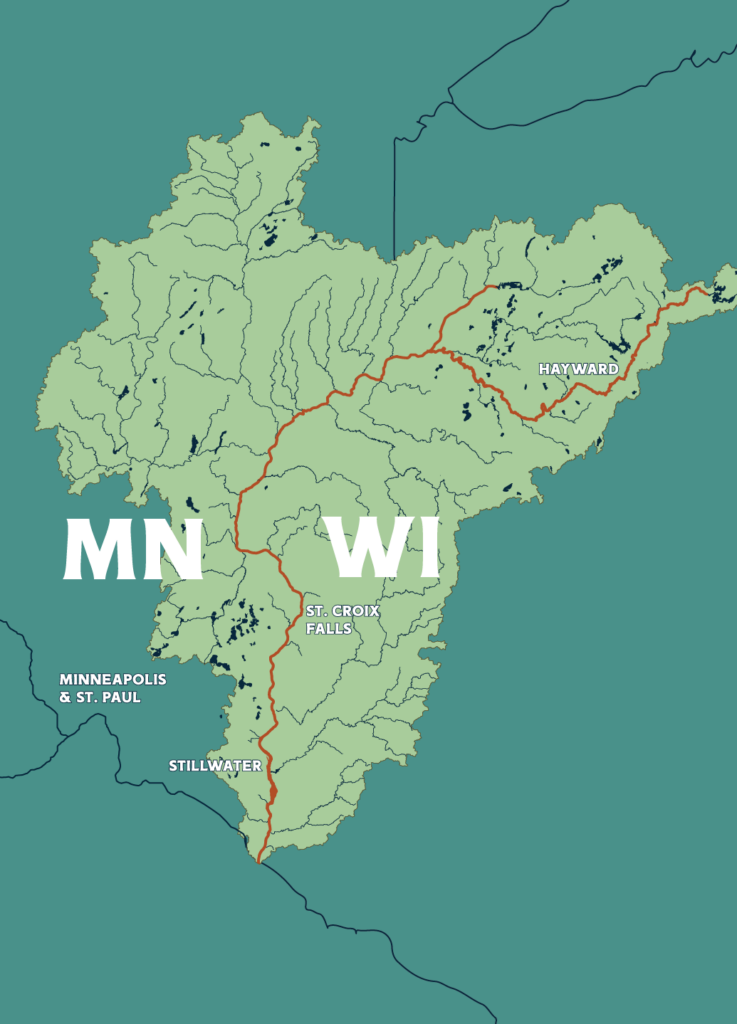
The water flowing into the St. Croix and Namekagon rivers must first travel through the land of the watershed, a 7,800 square mile area. Although the status of the St. Croix and Namekagon as Wild and Scenic Rivers comes with federal protections, it applies only to a thin ribbon of that land adjacent to the river. Beyond that, more than 75% of the St. Croix watershed’s forest lands remain in private holdings.
Without undeveloped and wild land in the watershed, we cannot keep our rivers clean and pristine. When private landowners choose to conserve their land they are helping to permanently protect high quality habitat for future generations in Minnesota.
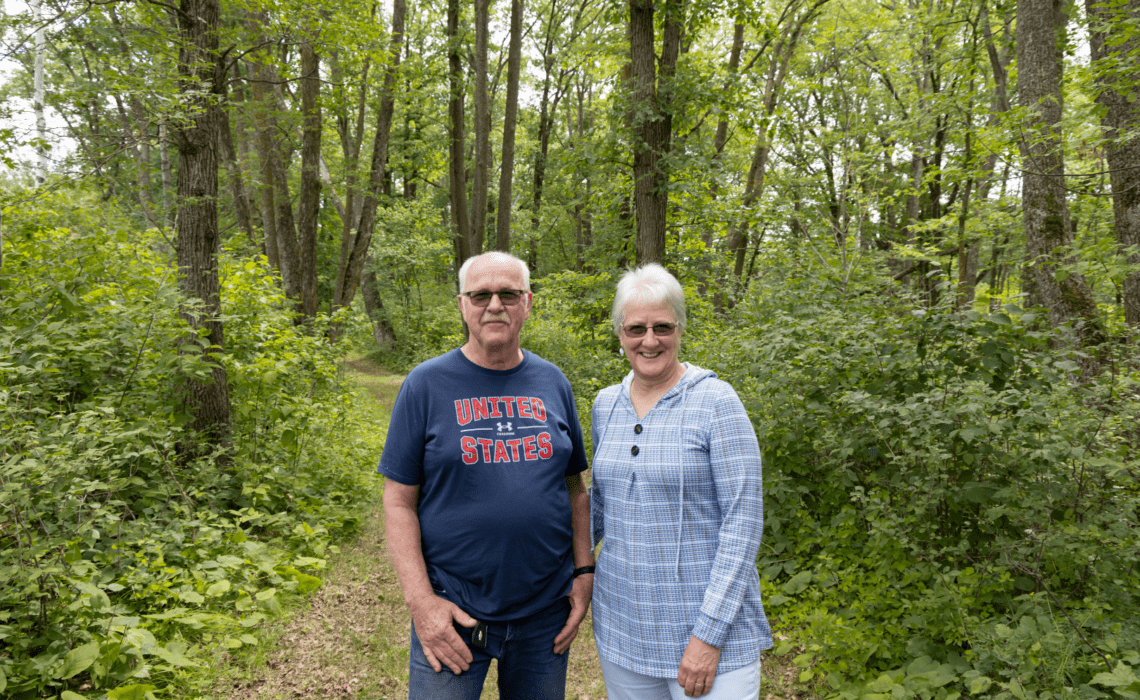
Meet the Liebelts
Nancy and Dennis Liebelt were living in Finlayson, Minnesota as newlyweds when Dennis purchased 40 acres of nearby land from the local pastor. At the time, their budget was tight, and Nancy felt unsure. Looking back, however, she described it as “the best thing he did.”
Decades later, Nancy and Dennis have been able to share this land with their children, grandchildren, and future generations.
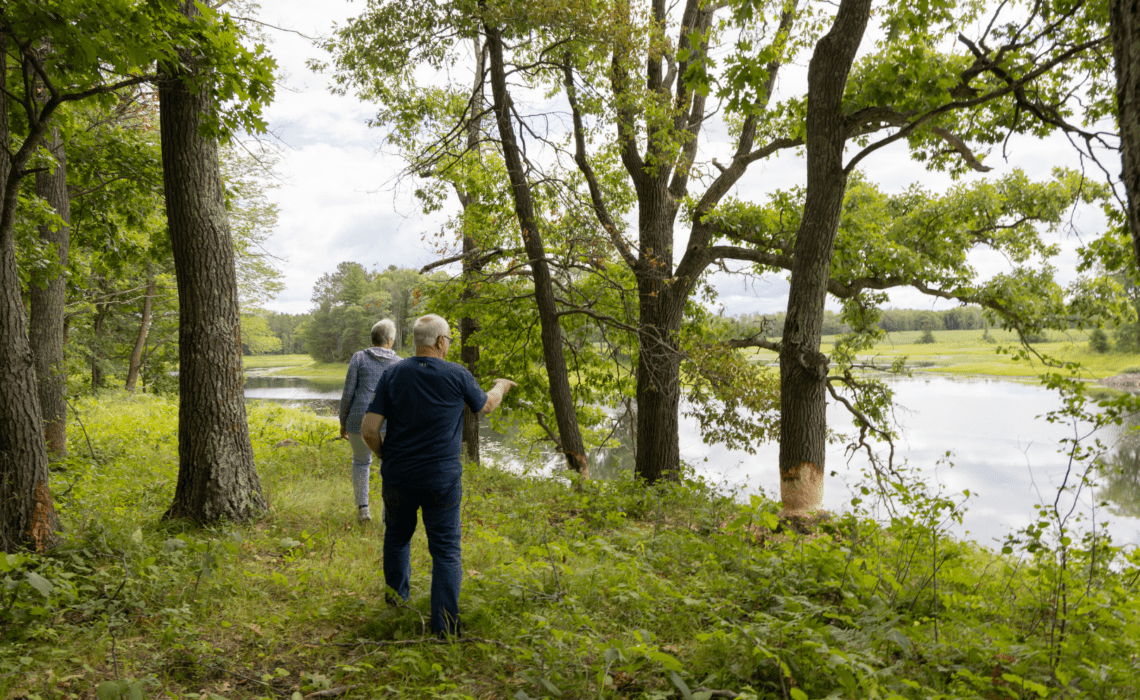
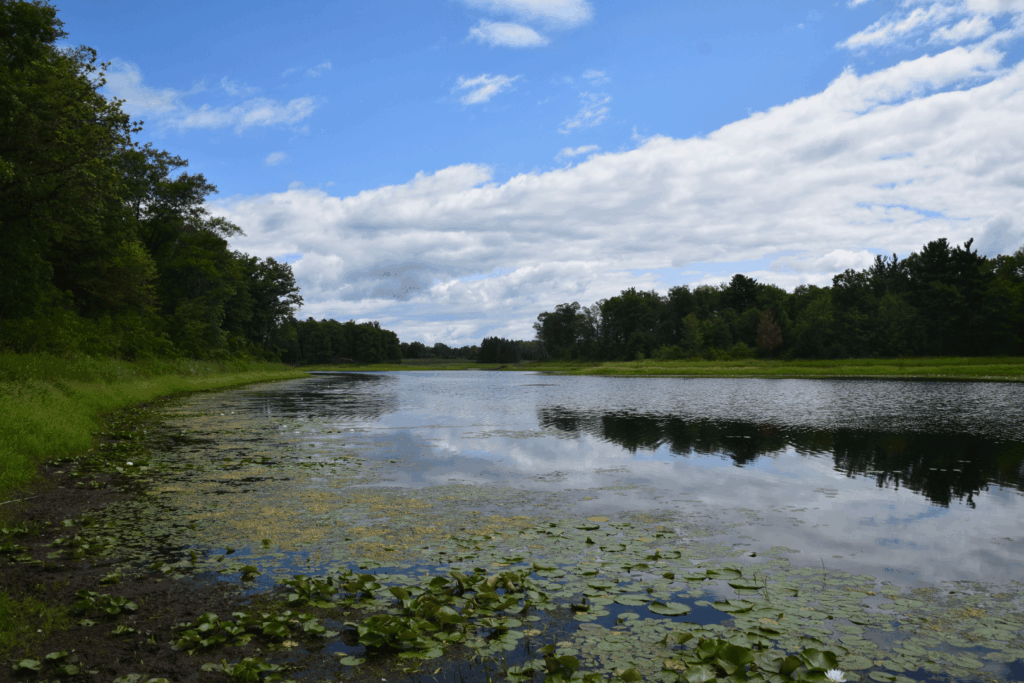
In February 2026, the Liebelts completed a conservation easement with the Minnesota Land Trust, permanently protecting their 40 acres of land from development. Their land contains forest and shoreline along Mud Lake, making it a valuable habitat and a crucial part of the St. Croix watershed.
This process has been rewarding for the Liebelts, as they have seen the benefits permanent land protection can have. At the same time, nothing has really changed for them. Through their easement, they retain private rights to the land and are able to hunt, fish, and harvest firewood from dead trees, just as they did before.
“I have no regrets at all, and really, nothing has changed for us” – Nancy Liebelt
Recognizing Development Pressures
Nancy and Dennis grew up outdoors, fostering a deep connection to undeveloped land and its importance. Dennis recalls family vacations to national parks like Yellowstone and the Tetons and Nancy remembers playing in the forest where her family harvested firewood. Their experiences and opportunities in nature as children are part of what inspired them to be conservation stewards for future generations.
Nancy and Dennis first heard of the Minnesota Land Trust, a conservation non-profit, at a local loggers event; but it wasn’t until development began encroaching on their lake that they really began to consider what permanent land protection might look like for them.
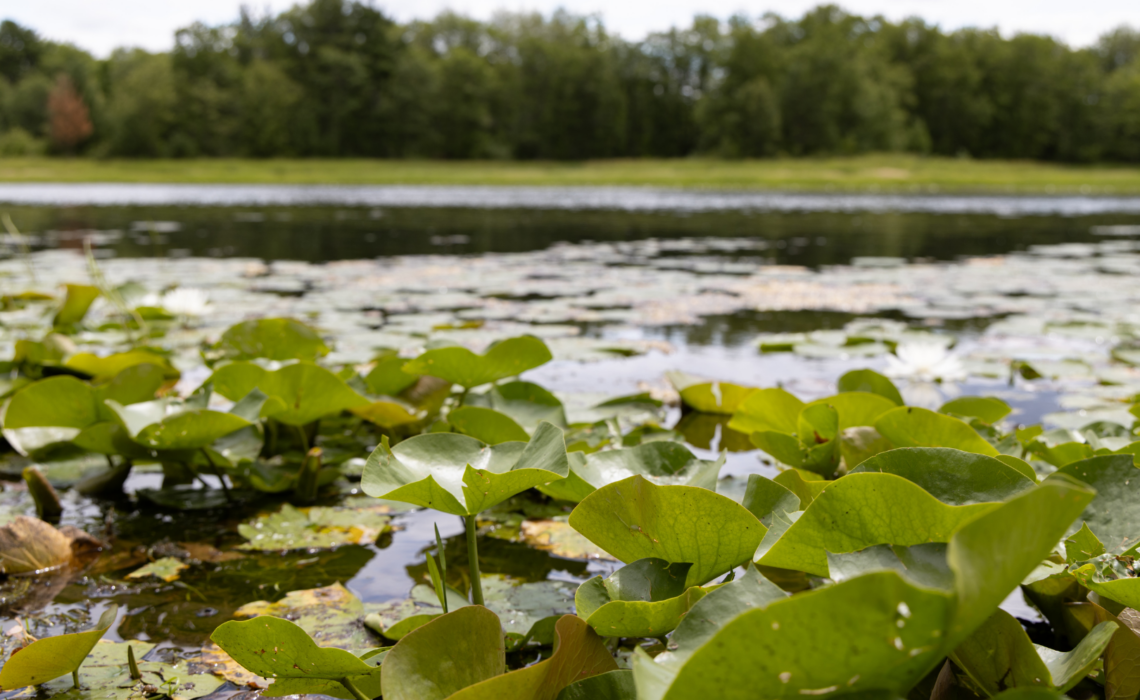
In recent years, the Liebelts noticed that the land surrounding their property was being sold off in small fragments and slated for development as populations expanded from the metro area. Large houses were popping up on nearby lakes, completely overtaking the lakefront. The Liebelts were concerned by the changes they were seeing.
“They’re just little by little breaking it up.” – Dennis Liebelt
Most notably, across their wild and pristine lake, a large white roof is visible through the green trees. It is part of a larger development of houses that sprung up in recent years. Nancy and Dennis used to be able to look out their window to a remote and undeveloped lake. Now, even with summer foliage, it is impossible to ignore the development springing up around them. The Liebelts could not just sit back and watch.
“Somebody’s gotta just stop this.” -Nancy Liebelt
Entering a conservation easement
Nancy was especially pleased with the number of extra benefits that accompanied the conservation easement process. First, Minnesota Land Trust visited their property multiple times to survey and appraise the land, which allowed the Liebelts to know exactly what features their property had, including plants and wildlife. Second, the Liebelts chose to include a “building envelope” around a small portion of their land. This allows them to continue living in and using their house and outbuildings while also maintaining the option for their family to renovate or build in the future. Finally, Nancy and Dennis retained full private ownership and access to their property, as well as hunting and firewood harvesting rights. All in all, the conservation process gave the Liebelts a say in the specific terms of their easement and benefited them in a variety of ways beyond permanent protection.
“We know every tree, every insect, every plant, everything in here, and it didn’t cost us anything.” – Nancy Liebelt
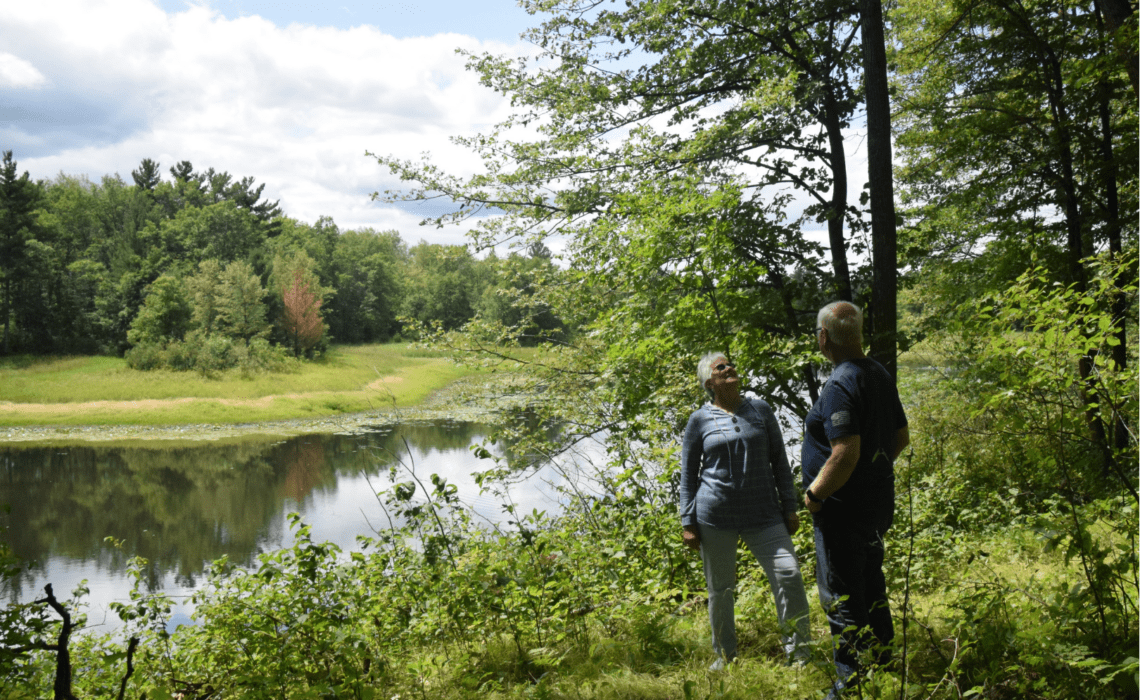
One of the largest benefits the Liebelts received was the monetary compensation from Minnesota Land Trust. By selling the development rights to Minnesota Land Trust, the Liebelts received a check for the value of those rights. Their easement has made it easier for Nancy and Dennis to continue living on their land, even as increasing costs push their neighbors out.
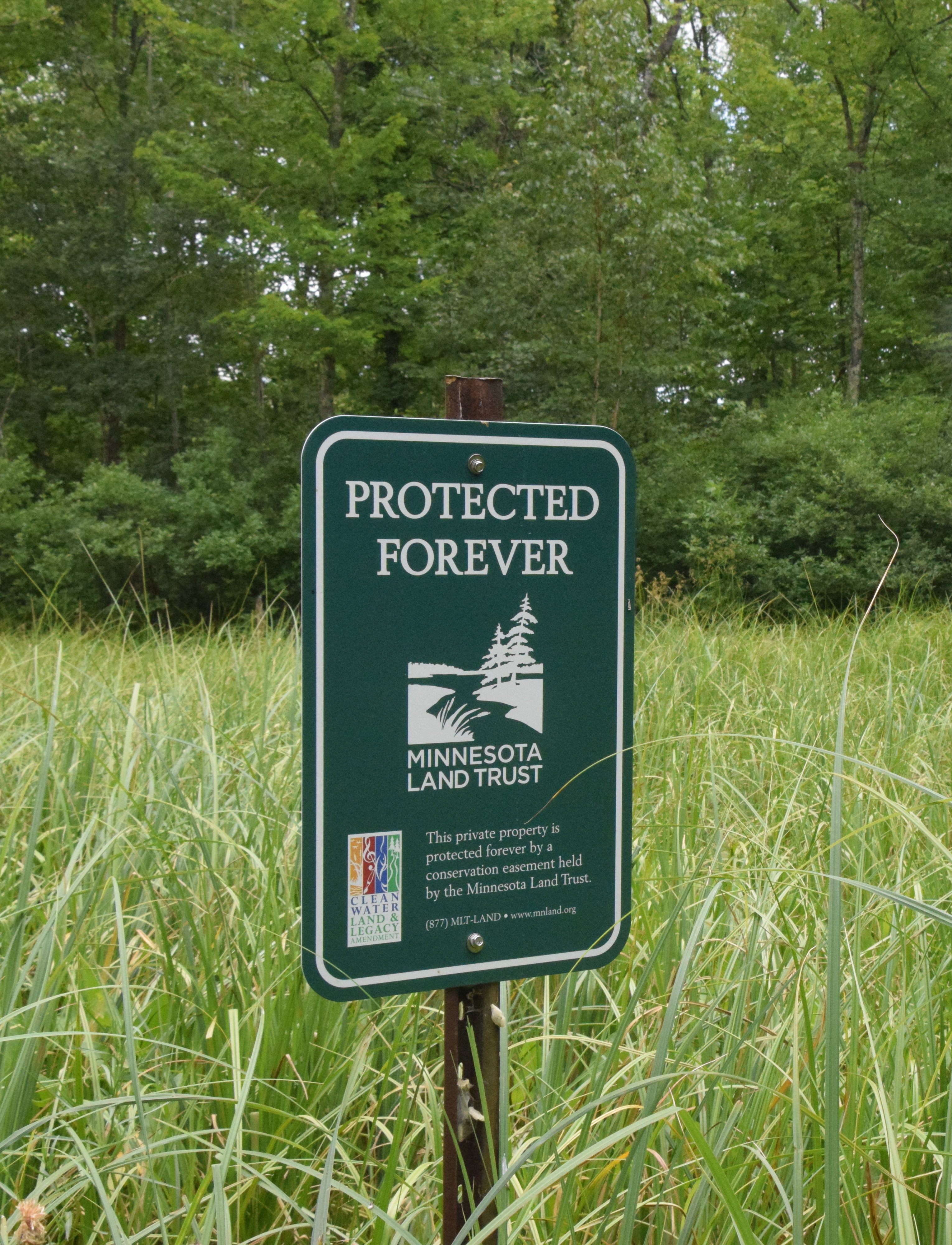
This funding was made possible by the Outdoor Heritage Fund, which was created from the Clean Water, Land and Legacy amendment. The Wild Rivers Conservancy works as a conservation outreach and grant administrator partner with the Minnesota Land Trust to help this funding reach landowners who chose to permanently protect their land, such as the Liebelts.
Land and memories
Above all, the Liebelts chose to preserve their property because of its value as wild and undeveloped land. Their land has value as part of the watershed, as a corridor and habitat for wildlife, and for their family, where their children and grandchildren have grown up.
Nancy and Dennis have many memories of their family spending time on this land. Dennis fondly remembers Christmas spent huddled around an outdoor fire roaring with firewood he and the kids harvested from their property.
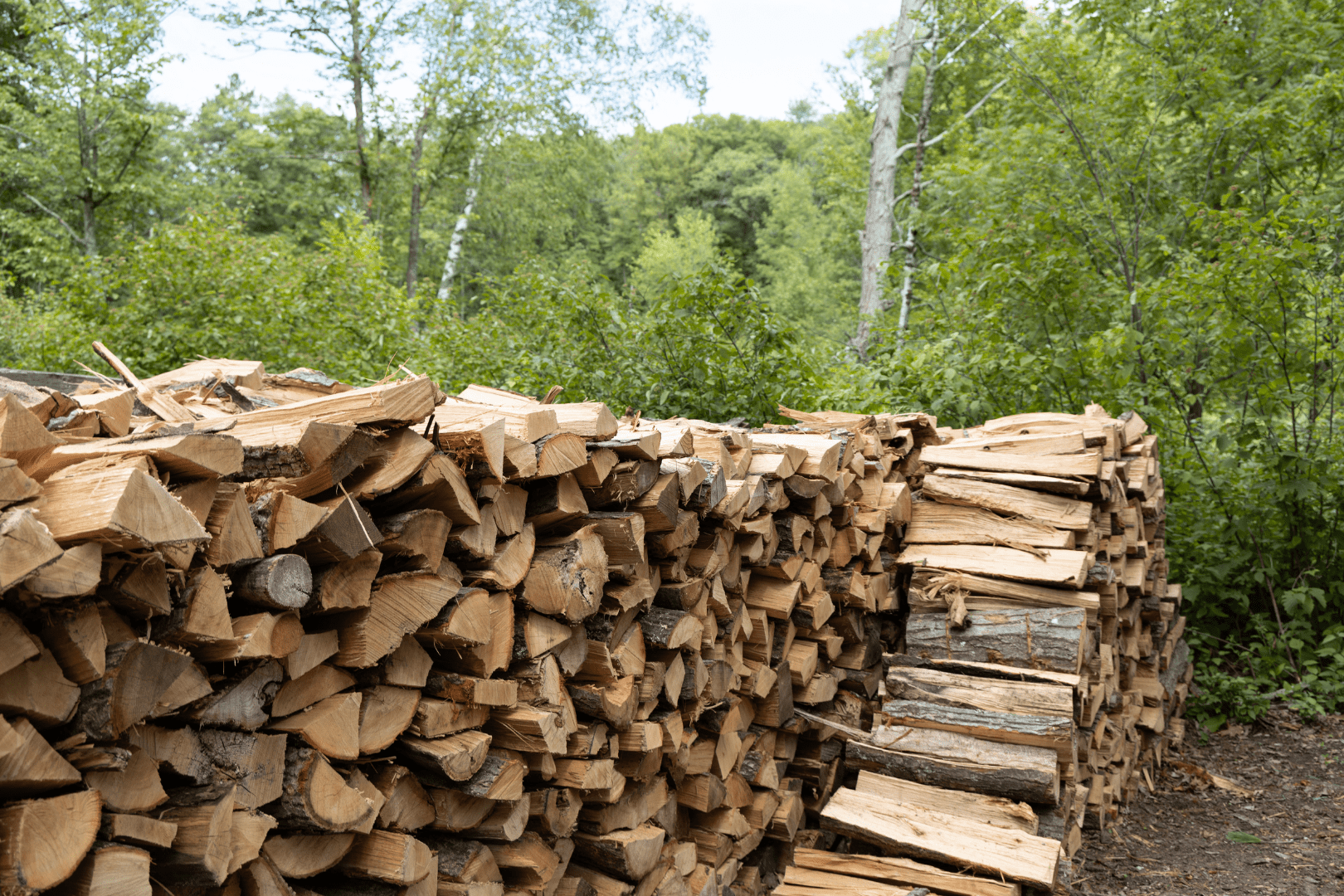
“We’d snowshoe back and we cut wood and have a fire…. You know, we had the fire going all the time” – Dennis Liebelt
Nancy remembers fishing and spending time on the water with her grandchildren; particularly when her grandson caught a 32 inch northern off the dock using his Snoopy fishing pole.

“Next thing I can see is his twin is just like bear hugging him and pulling him backwards. I thought, well, did he fall in? No, he had a northern, 32 inch northern on the end of his pole, and it was going under the dock, and he was screaming. Not my Snoopy! Not my Snoopy!” – Nancy Liebelt
Most importantly, this land gave their family a connection to the outdoors and a place to learn and grow. It is a place for them to relax, gain independence, learn skills, and have fun.
“Our grandkids can come and play with the frogs or have cattail fights, things they can’t do on the culdesac” – Nancy Liebelt
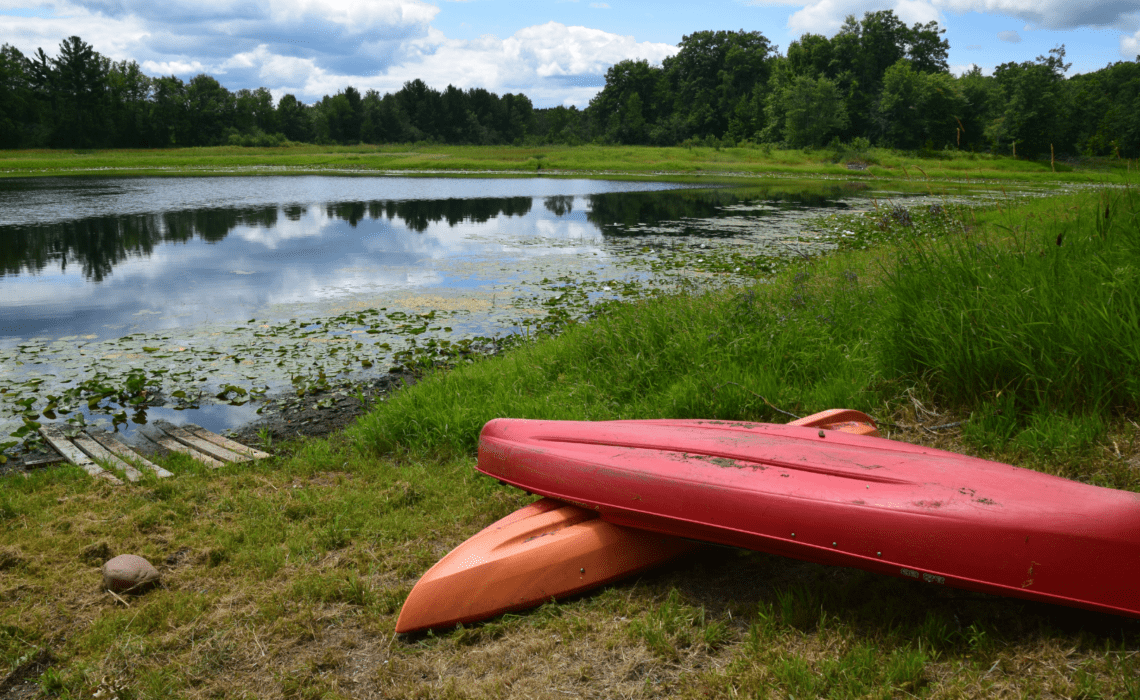
Nancy and Dennis recognize the value of their land for themselves and their family: from the lessons their grandchildren learned from their time outdoors to utilizing the firewood they harvest from downed trees to keep their wood stove burning. But the benefits span far beyond their personal uses. What makes Nancy and Dennis special is their ability to respect the value of their land beyond their personal uses. They are acutely aware of the importance of their high quality habitat and their impact on the St Croix watershed and local water supply.
“I mean some nights there’s two or three hundred geese out here, and it’s solid, just solid geese, and they’re resting… Because of how it is, the animals have to travel through here.” – Nancy Liebelt
Going above and beyond
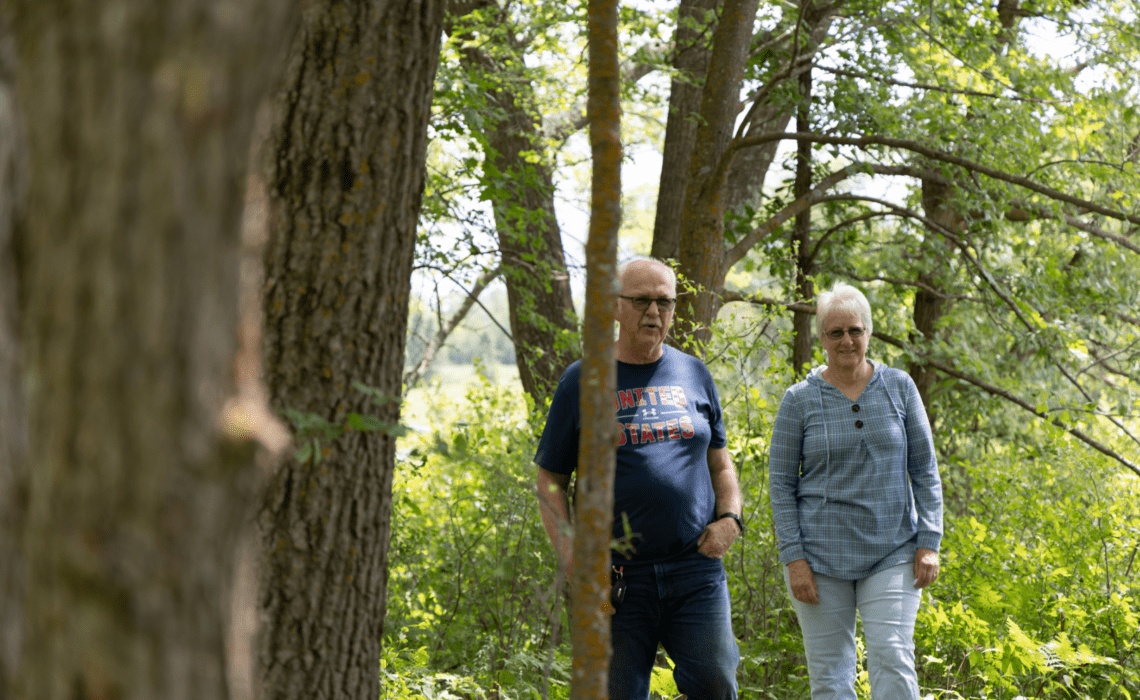
Now that their property is permanently protected, Nancy and Dennis are working to continue improving their community. Beginning on their own property, they have gone after invasive buckthorn and have applied to the county to receive help with removal. Beyond their property, the Liebelts have been sharing with their neighbors about the benefits of conservation easements, and advocating for them to protect their land to stop development in the area and improve affordability. Going one step further, Nancy and Dennis dream about connecting their land to the local elementary school so the local children could experience the outdoors in the classroom.
“It would be so nice for the school. They would just have to walk out their backyard and hit our easement and easily walk and identify things.” – Nancy Liebelt
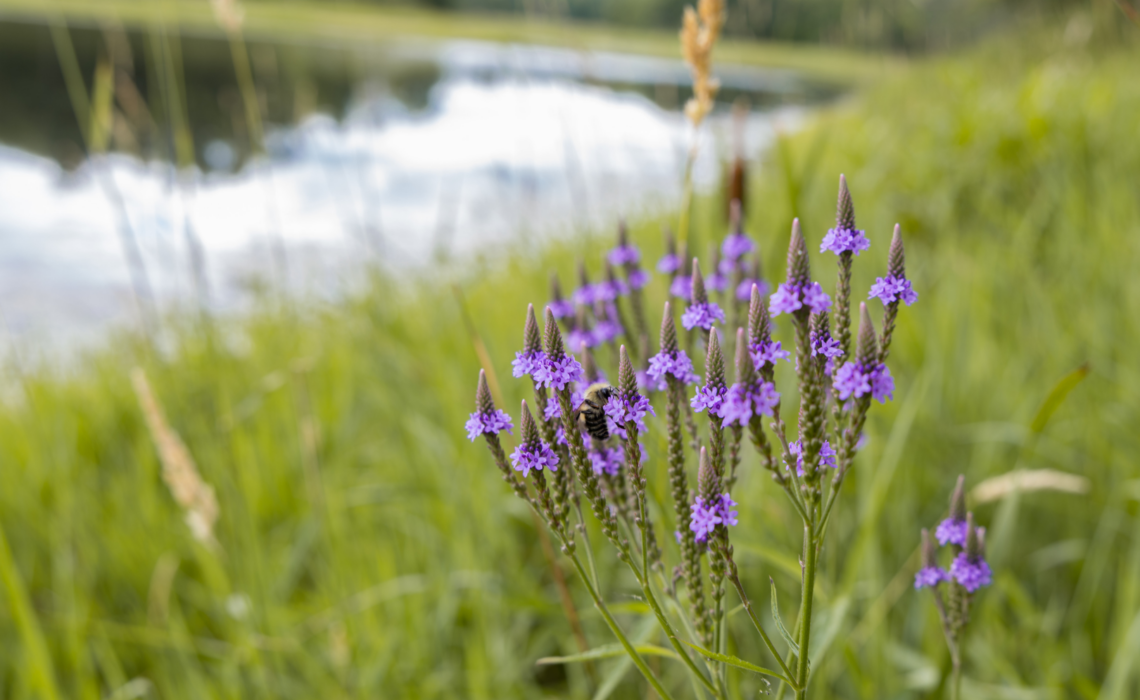
Nancy and Dennis have shown that there are a variety of reasons land owners may choose to protect their land and that all our wild and undeveloped lands have a story to tell.
Permanent protection has given the Liebelts the peace of mind that their land will remain a wild place in their community for generations to come.
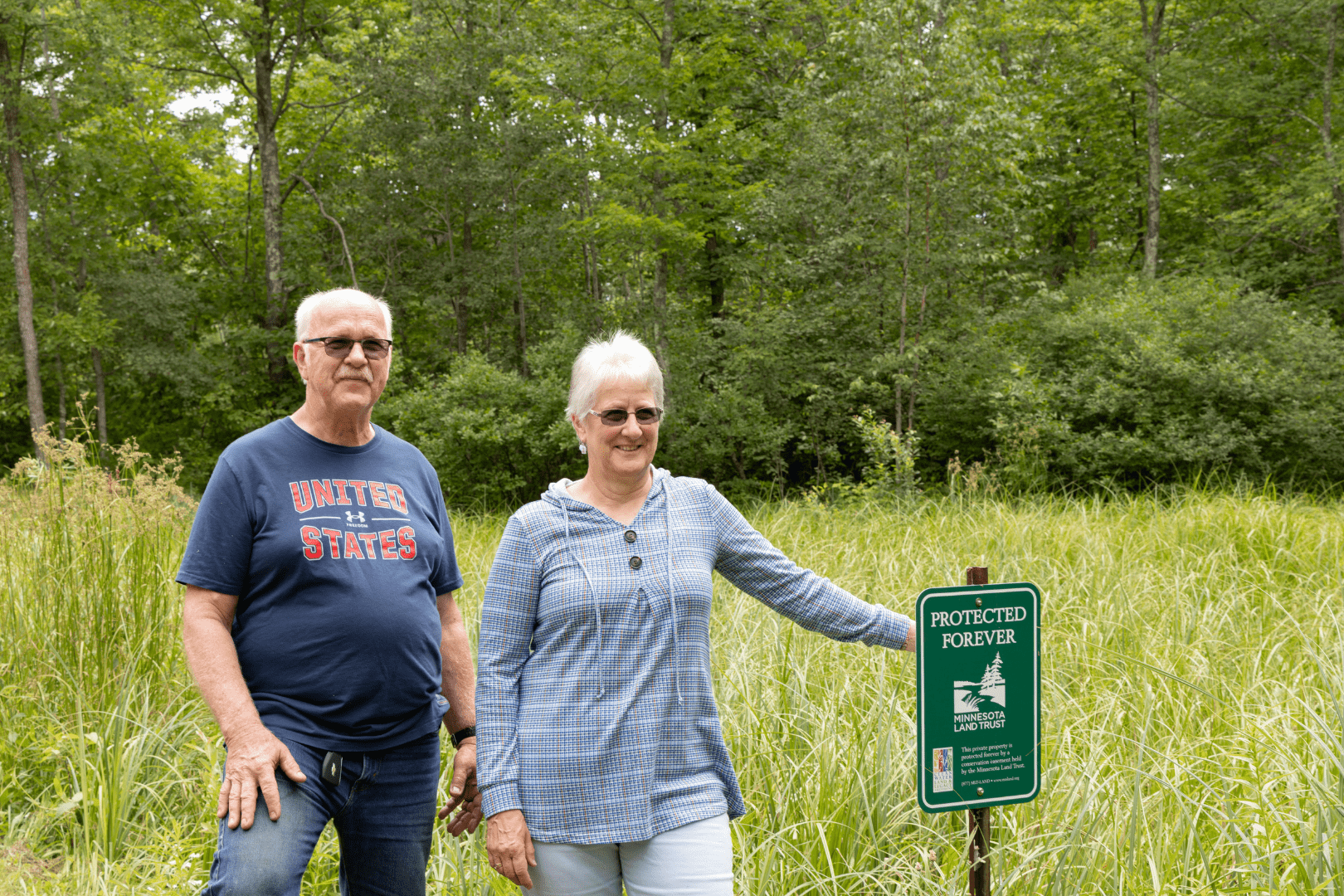
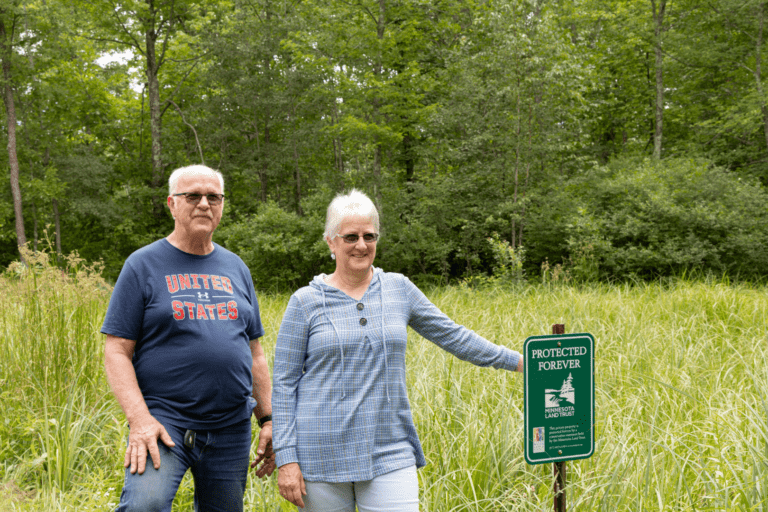
“The Minnesota Land Trust and what we did was a real eye opener and really helped our community” – Nancy Liebelt
If you resonate with the Liebelts’ story and have interest in protecting your land, check out our Land Protection Program and fill out a landowner survey today to receive personalized information.
Photo Credits: Sophia Larson: Minnesota Land Trust and Addy Gove: Wild Rivers Conservancy
Read More
News
Government Shutdown Update: Standing Together for the St. Croix National Scenic Riverway
October 9, 2025
News
The Saint Croix National Scenic Riverway Needs Your Voice
February 25, 2025
Invasive Species
My, What Yellow Flowers You Have: Yellow Flag Iris and Its Impacts
May 19, 2024
Get More Stories
Join Our Email Newsletter