
Algae Alert Network
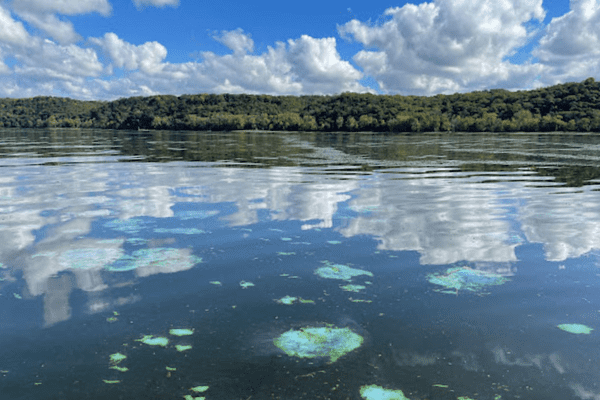
Since 2013, the Wild Rivers Conservancy, National Park Service, and U.S. Geological Survey have partnered to assess algae in the St. Croix River through our Algae Alert Network (AAN) volunteer program. AAN Volunteers collect water samples twice a month from July through September at one of our 6-10 high priority sites along the Riverway.
Samples are then analyzed for nutrient and toxicity levels in effort to learn more about the occurrence and potential for toxic algae blooms throughout the St. Croix River. This information is then used by river managers and stewards to manage the blooms and protect public safety.
Volunteers may apply April through May.
About Algal Blooms
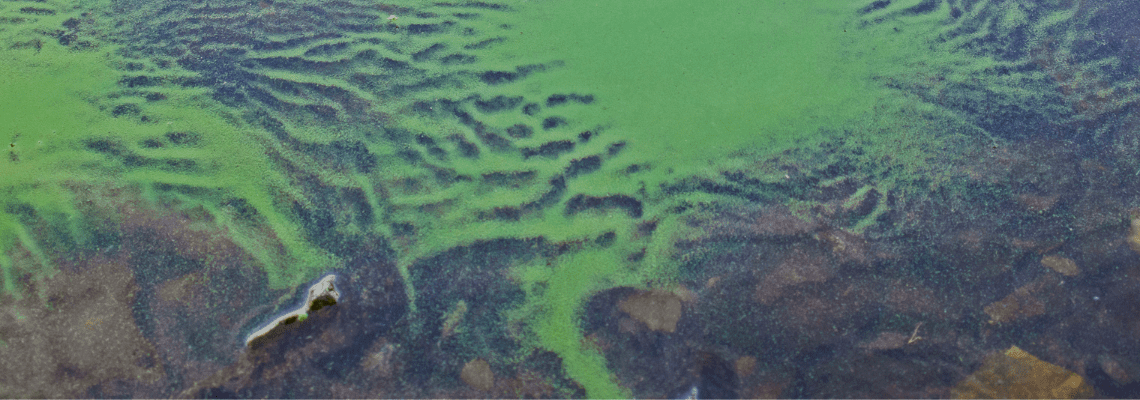
An algal bloom is a rapid increase or accumulation in the population of algae (typically microscopic) in an aquatic system.
When levels of key nutrients—particularly phosphorus—in a water body soar and combine with hot temperatures and stagnant water, the organisms thrive.
Algal Bloom Threats
- Some species of cyanobacteria can produce cyanotoxins that are poisonous to humans, livestock, pets, and wildlife. These toxins can cause a wide range of symptoms such as skin rashes, allergies, respiratory & gastrointestinal distress, and even death in severe cases.
- Dense blooms can block sunlight from reaching underwater which can lead to declines in aquatic life.
- The algae decomposition process uses high amounts of oxygen which can lead to hypoxic (low oxygen) or anoxic (no oxygen) conditions in waterbodies and cause fish kills.
- Blooms can lead to closures at recreation areas, especially in the summer when recreation areas are used most.
- Blooms can produce harmful odors, thick scums on the water surface, and shoreline discoloration.