
Utilizing Beetles to Manage Purple Loosestrife in the St. Croix Watershed
What is Purple Loosetrife?
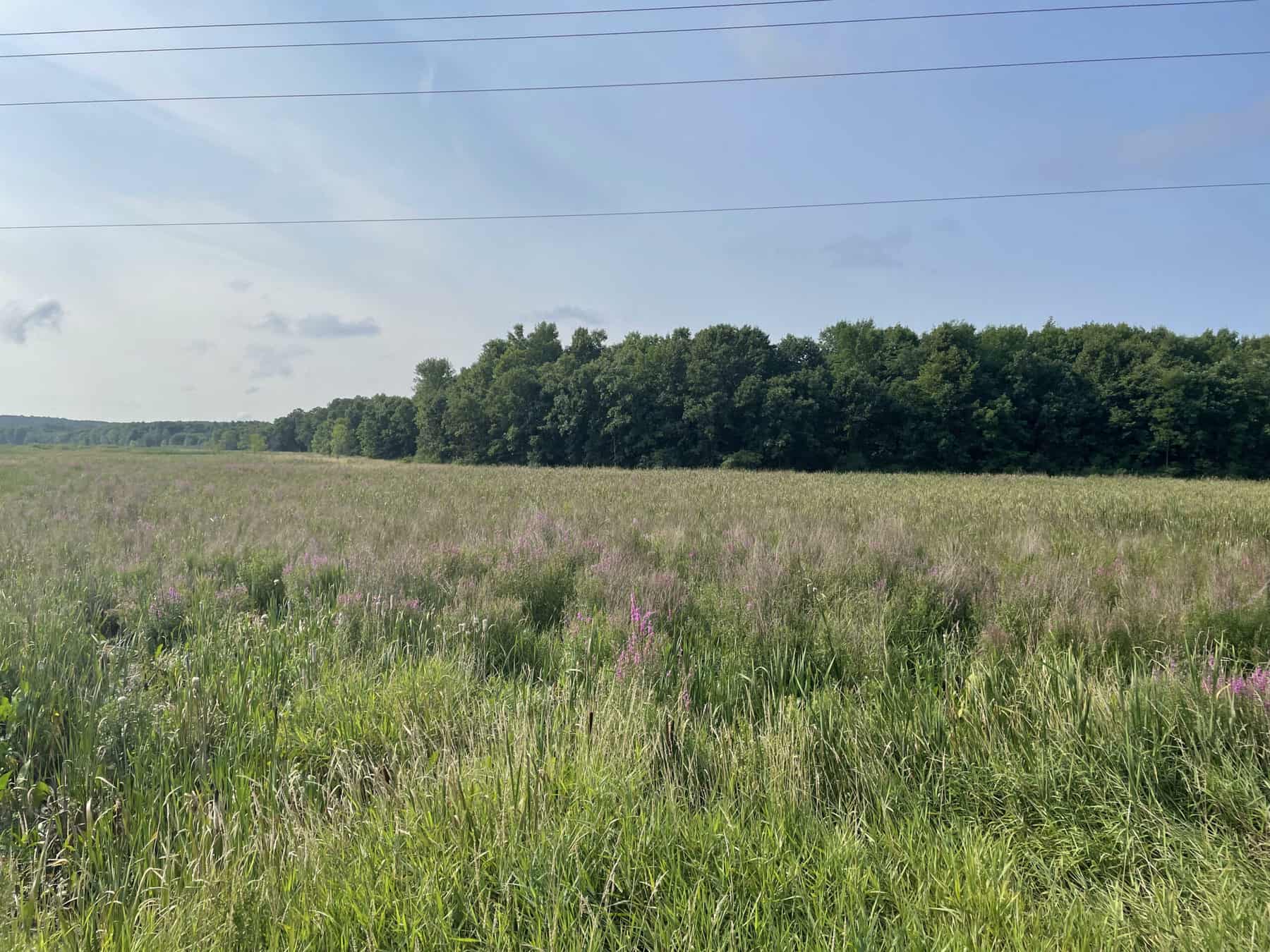
Purple loosestrife is an invasive semi-aquatic plant that grows in wetlands, along lake shores and rivers, and in roadside ditches. A single purple loosestrife plant can produce over 2 million seeds per year, allowing the species to rapidly spread and outcompete other flowering wetland species native to North America. One solution to this problem includes very hungry beetles – Galerucella beetles, that is! Galerucella beetles are a genus of beetle native to Europe and Asia that were introduced to Minnesota and Wisconsin as a biological control for purple loosestrife in the late 90’s. As an officially approved biological control by the USDA, Galerucella beetles are proven effective at decreasing the density of purple loosestrife stands while also not posing harm to our native plants in North America.
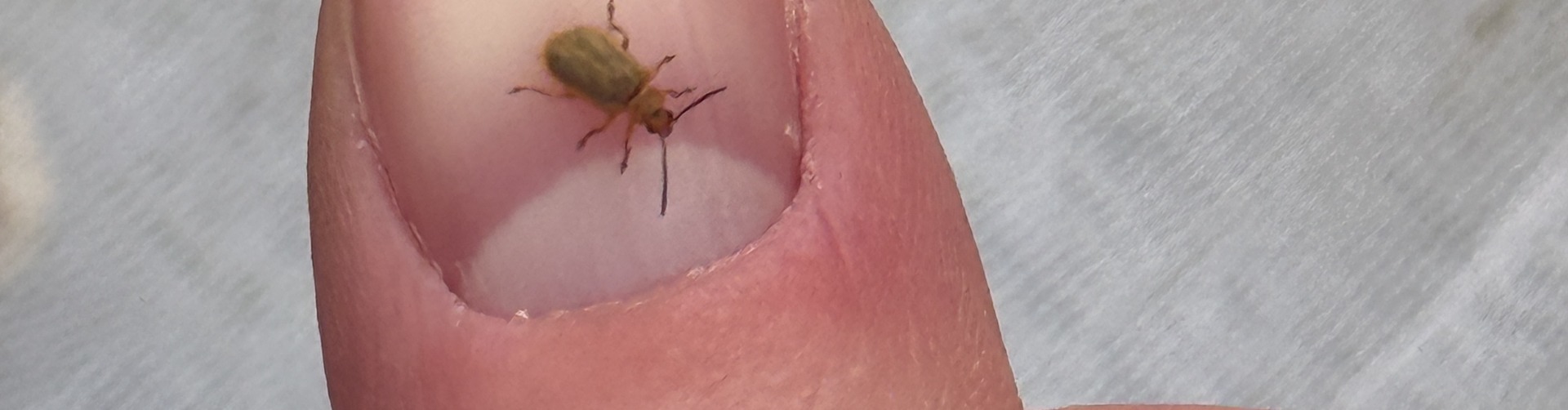
Photo Credit: Abby Tekiela, South Washington Watershed District
How is Wild Rivers Conservancy addressing Purple Loosetrife in the St. Croix Watershed?
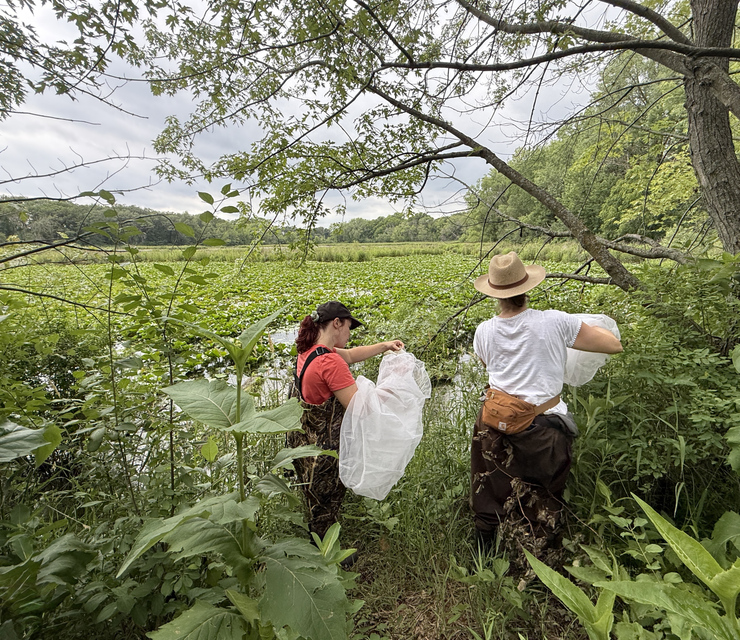
In 2022, the Conservancy started the Purple Loosestrife Biocontrol Volunteer Science Project, which combines passionate volunteers with purple loosestrife management. Dedicated volunteers, otherwise known as beetle parents, are provided with all materials necessary to raise and release Galerucella beetles, including purple loosestrife plants, starter beetles, netting, and a kiddie pool. The kiddie pool acts as a DIY wetland and allows the plants to take up water via their roots, just as they would in their natural environment.
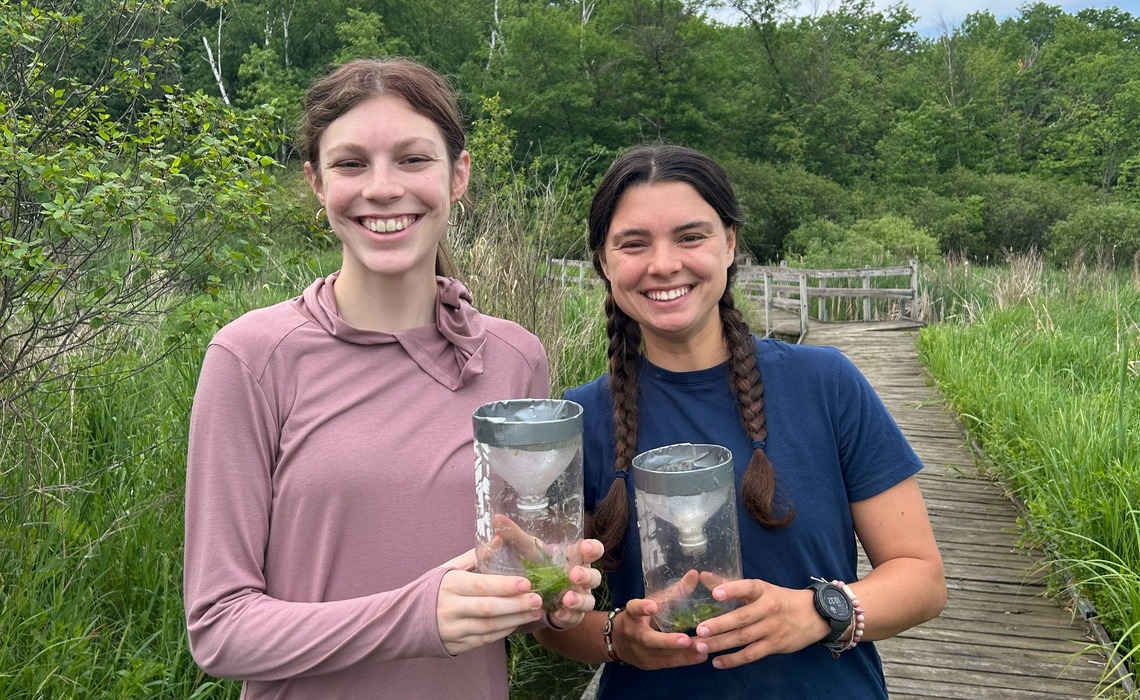
Photo Credit: Maria Young
After receiving plants, netting, and kiddie pools in May, volunteers take care of the plants until they grow green and leafy enough to support their starter beetles. Volunteers will add their beetles to the plants in June, and wait for the beetles to lay eggs on the plants. The larvae that hatch from these eggs will eventually pupate in the soil of the plants before emerging as adult beetles, typically in mid to late July. The Conservancy then hosts multiple mass release days, where volunteers can gather to release their beetles in locations with dense purple loosestrife stands. In 2026, Wild Rivers Conservancy hosted three mass release days in the St. Croix watershed.
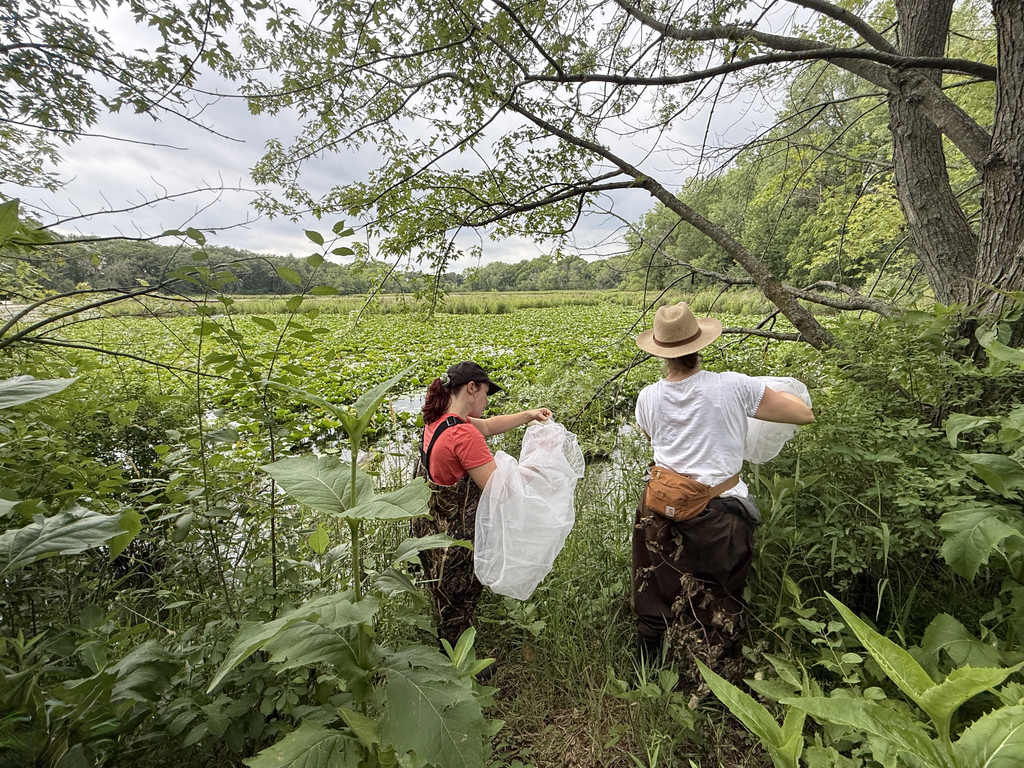
Photo Credit: Abby Tekiela, South Washington Watershed District
2026 group Galerucella beetle releases
1,490
beetles released
At Maplewood Nature Center
700
beetles released
At Serenity Shores
1650
beetles released
At Shafer Baseball Field
Beetle parents who were not able to release their beetles during any of the mass release days also have the option to release their beetles on their own at a pre-approved location. Some of these locations in 2026 include the Lake De Montreville boat launch in Lake Elmo, MN, the North Center Lake boat launch in Center City, MN, and along Sturgeon and Island Lakes in Pine County, MN. In total, 10,000 beetles were released in the St. Croix watershed in 2026.
Thank you to all our dedicated beetle parent volunteers in 2026! If you are interested in becoming a beetle parent in the future, be sure to sign up for our volunteer newsletter to be alerted when sign-ups open in 2027.
2026 Purple Loosestrife Biocontrol Project Funders






Maria Young
Maria Young
Invasive Species Coordinator
Read More
Invasive Species
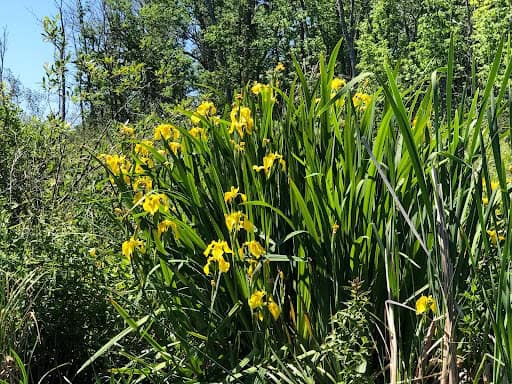
My, What Yellow Flowers You Have: Yellow Flag Iris and Its Impacts
May 19, 2024
Invasive Species
Emerald Ash Borer: A Small but Destructive Insect
December 4, 2023
Invasive Species
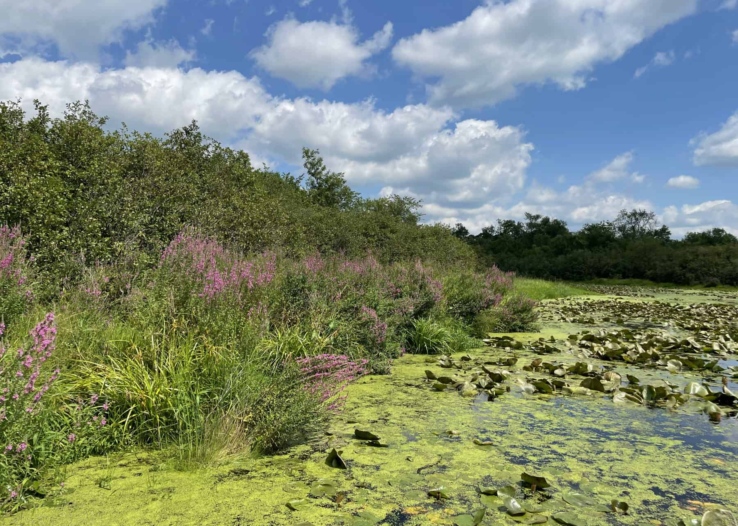
A River of Purple: Invasive Purple Loosestrife within the St. Croix Watershed
July 7, 2023
Get More Stories
Join Our Email Newsletter