
Purple Loosestrife
What is Purple Loosestrife?
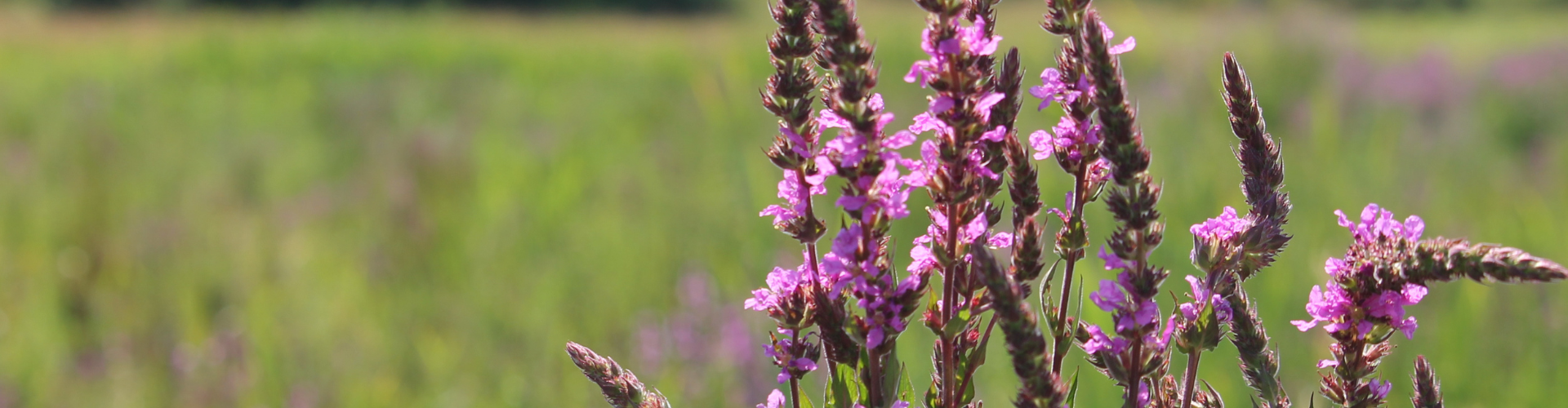
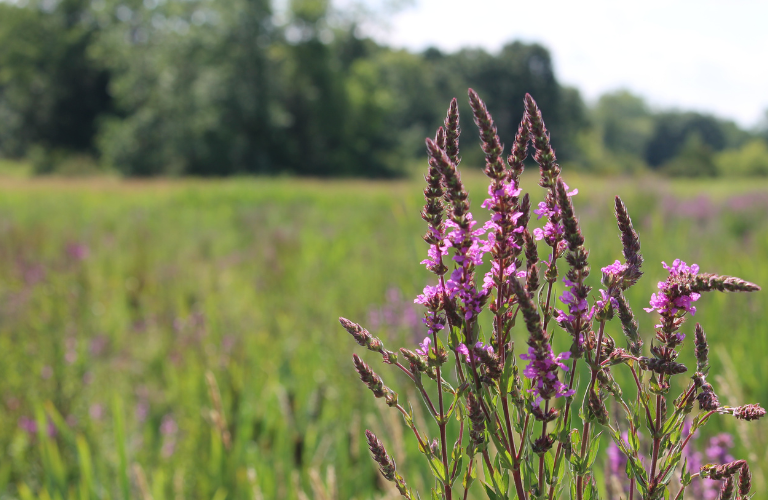
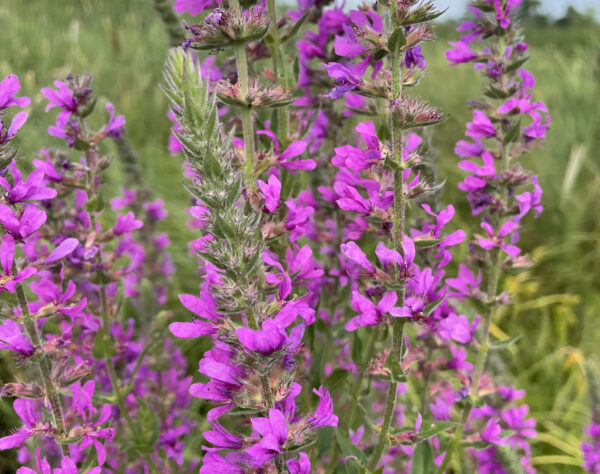
Purple loosestrife is an invasive wetland plant native to Europe and Asia that is known for its bright purple flowers. Despite its beauty, purple loosestrife is known to have drastic negative effects on its surroundings by out-competing native vegetation and decreasing native habitat. One single purple loosestrife plant can produce over a million seeds, and can therefore turn a wetland once rich in plant diversity into a sea of only purple.
Biocontrol with Galerucella Beetles
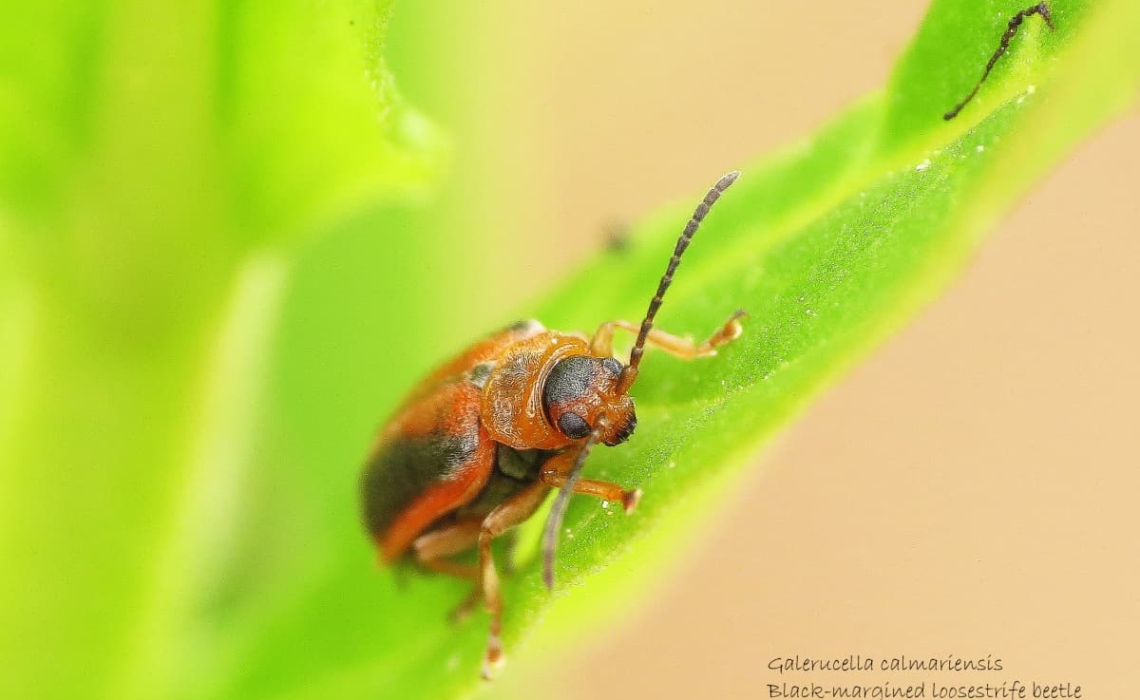
Our citizen scientist program relies on volunteers to support the rearing of Galerucella beetles that are raised and released into wetlands to control the purple loosestrife. Galerucella beetles feed primarily on purple loosestrife and are a natural way to control the invasive plant while not endangering native plants.
Purple Loosestrife Biocontrol Project efforts to date
58
Volunteers
728
Volunteer Hours
13,500
Beetles Released
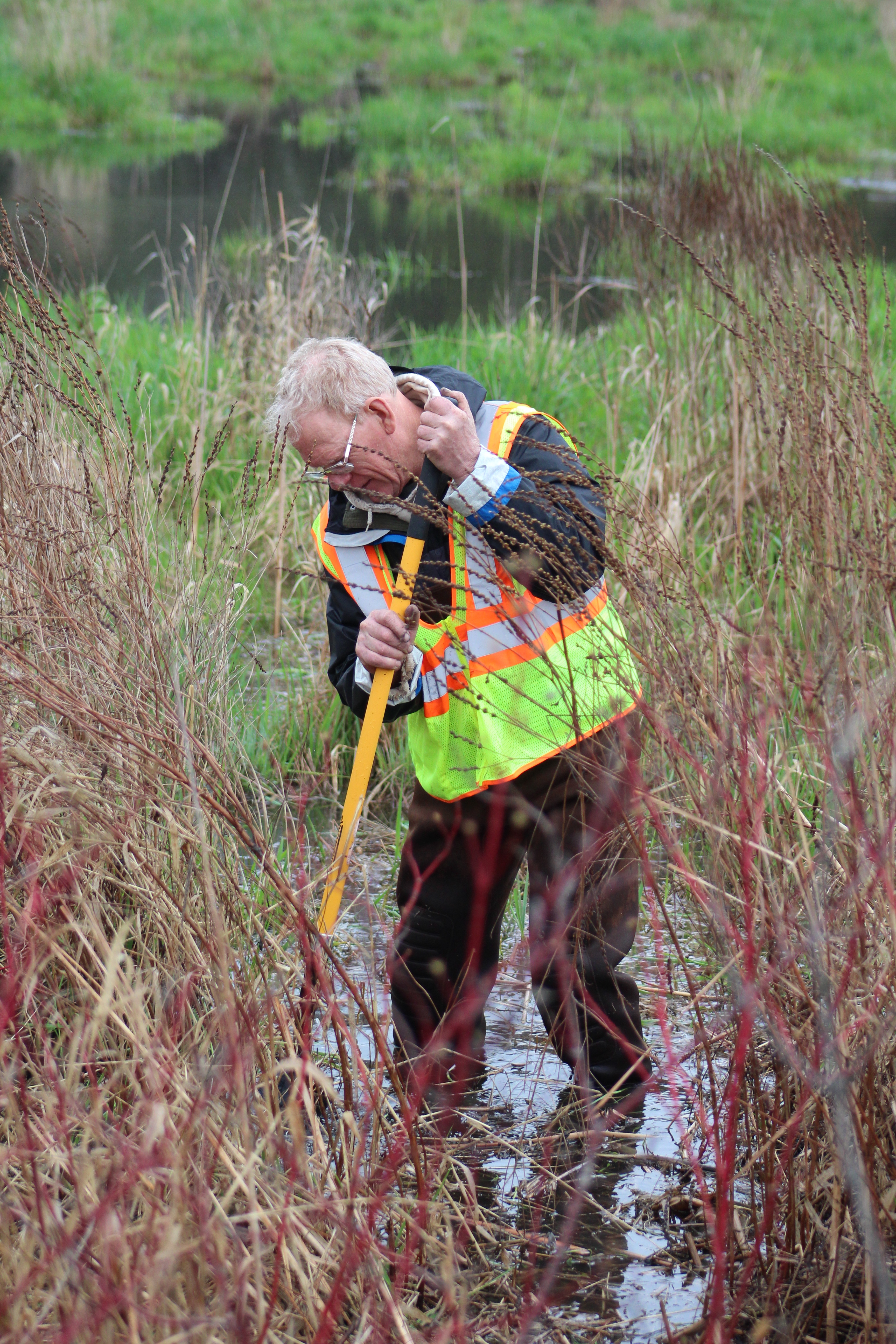
Wild Rivers Conservancy receives LCCMR funding to begin the Purple Loosestrife Biocontrol Volunteer Science Project. The project goals are to recruit volunteers to raise and release Galerucella beetles in high density purple loosestrife populations on the Minnesota side of the St. Croix River watershed, as well as to monitor the St. Croix River and surrounding public lands and tributaries for beetle release locations.
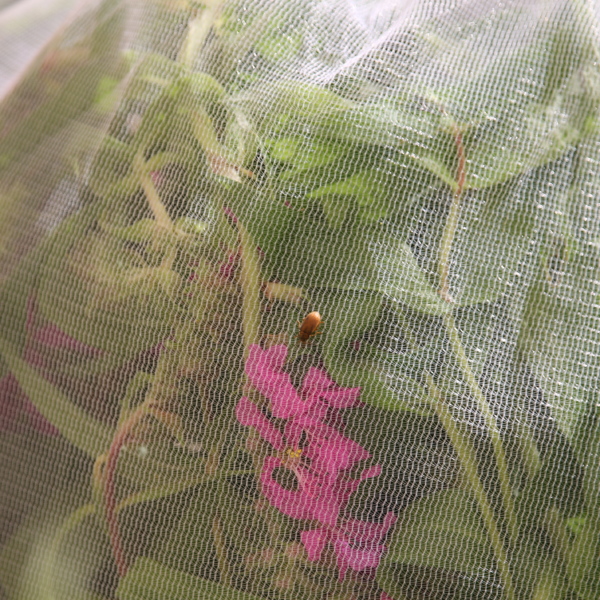
The first cohort of beetle parents is recruited, and 1,855 beetles are reared and released by 30 volunteers. Wild Rivers Conservancy staff monitor the St. Croix River, Banning State Park, and William O’Brien State Park for purple loosestrife.
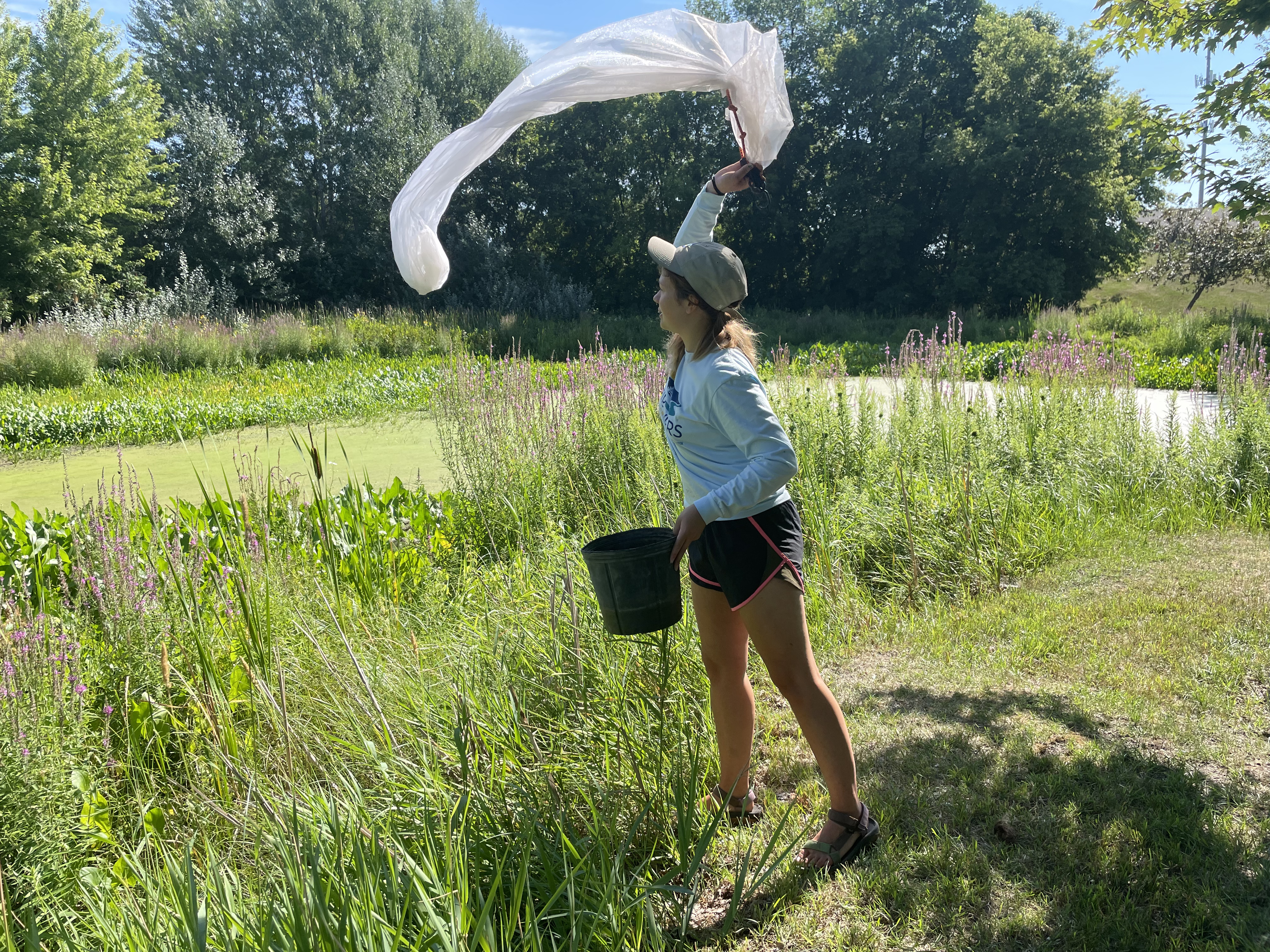
Beetle parents raise and release 7,050 beetles at 8 locations throughout the watershed. Wild Rivers Conservancy staff monitor the St. Croix River, St. Croix State Park, Afton State Park, Rice Creek Regional Park, and Lake Elmo Regional Park Preserve for purple loosestrife.
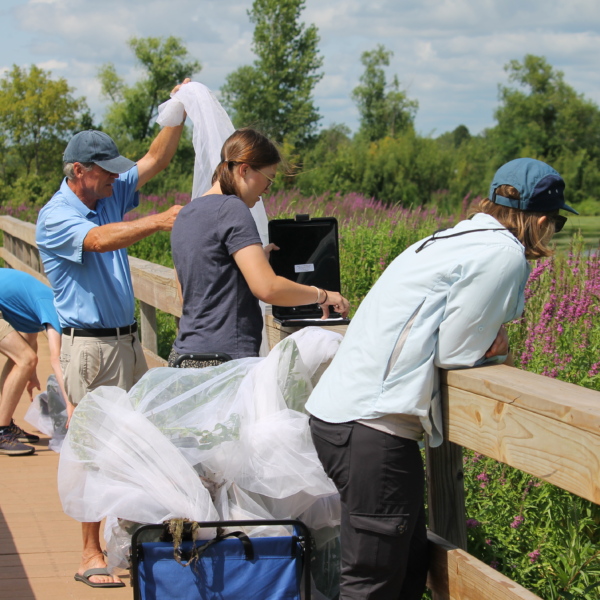
LCCMR funding ends in June 2025. Beetle parents raise and release 4,500 beetles at 8 locations in the watershed. Wild Rivers Conservancy staff monitor the Sunrise River, the Snake River, the Matthew Loury State Trail in Chengwatana State Forest, St. Croix State Forest, Carlos Avery State Wildlife Management Area, Bean Dam Wildlife Management Area/Snake River State Forest, Martin-Island-Linwood Lakes Regional Park, and Ki-Chi-Saga County Park for purple loosestrife.
Questions?
Questions?
Contact Maria
Invasive Species Coordinator
Learn More About Invasive Species
Invasive Species
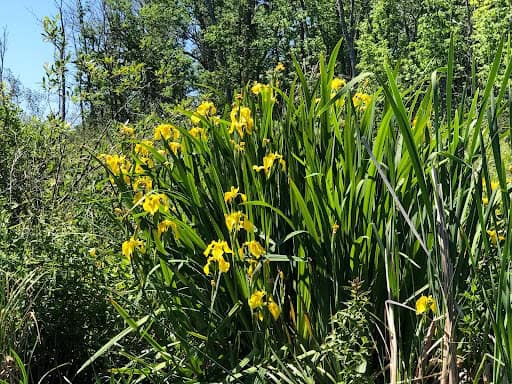
My, What Yellow Flowers You Have: Yellow Flag Iris and Its Impacts
May 19, 2024
Invasive Species
Emerald Ash Borer: A Small but Destructive Insect
December 4, 2023
Invasive Species
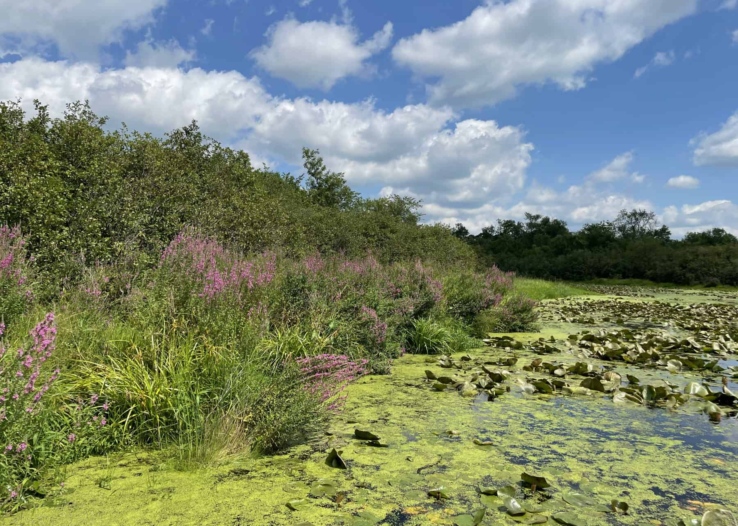
A River of Purple: Invasive Purple Loosestrife within the St. Croix Watershed
July 7, 2023