Zebra Mussels
The Invasive Zebra Mussel
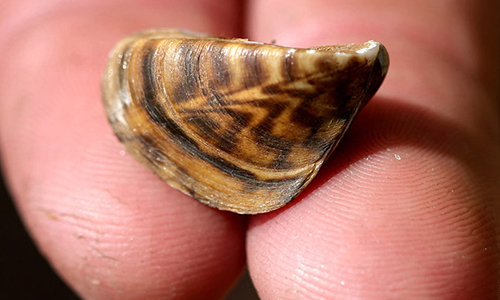
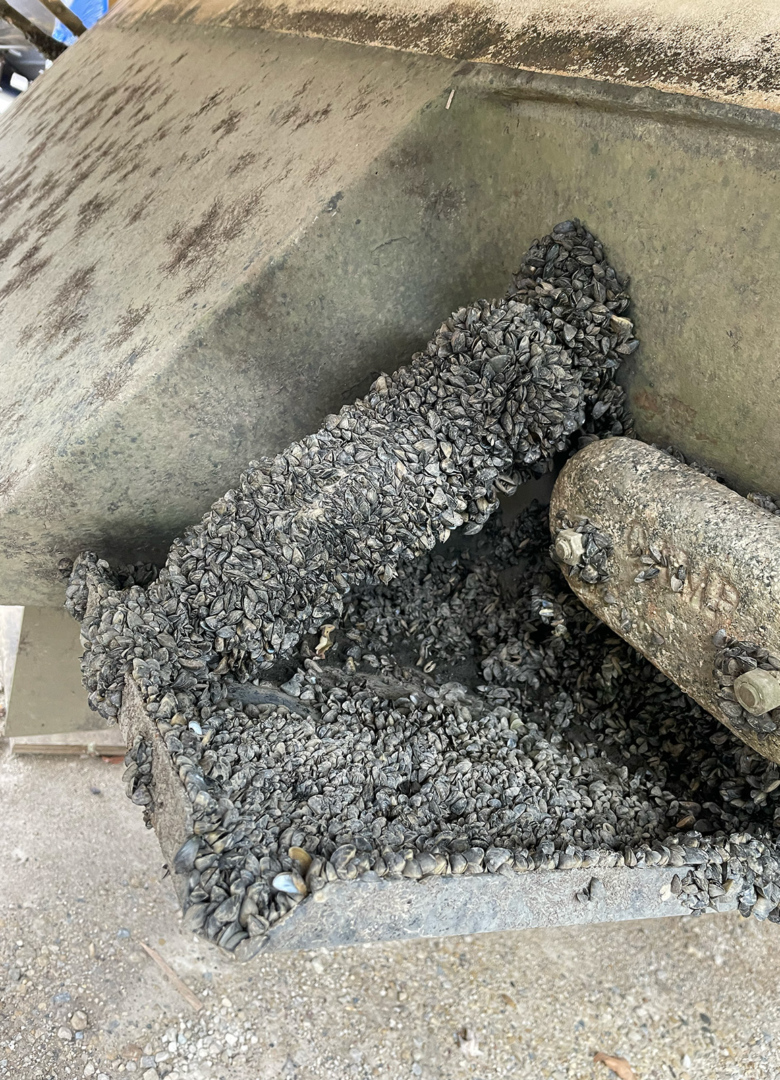
Recognizable by their distinctive stripes and shells shaped like the letter D, zebra mussels are a serious threat to the St. Croix River’s native mussels. They take food away from other animals, reduce the oxygen in the water, and colonize areas on the river bottom so nothing else can live there. Zebra mussels also attach themselves to native mussels, preventing them from eating, breathing, and reproducing. Damage to boats, docks, and beaches can also occur.
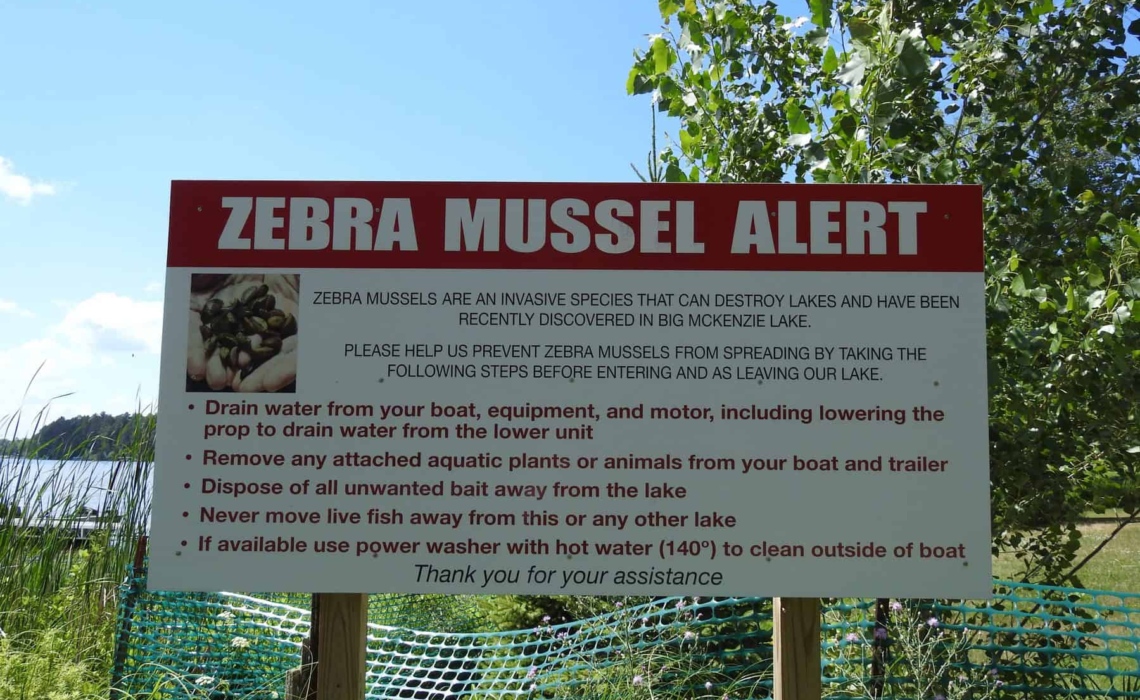
Presence in the St. Croix
The first zebra mussels were found on boats in the Lower St. Croix in 1994. Currently, zebra mussel reproduction occurs below the Stillwater Lift Bridge. River currents appear to be preventing their upstream movement. But humans and their boats can move zebra mussels upstream and across land, and at this time, there are no foolproof ways to control or slow the spread of zebra mussels once they are introduced into a water body. This makes strong prevention efforts an essential requirement to stop the spread of zebra mussels. The St. Croix is at a juncture in its ecological history as current actions determine what will happen to native species threatened by zebra mussels.
How We Monitor Zebra Mussels
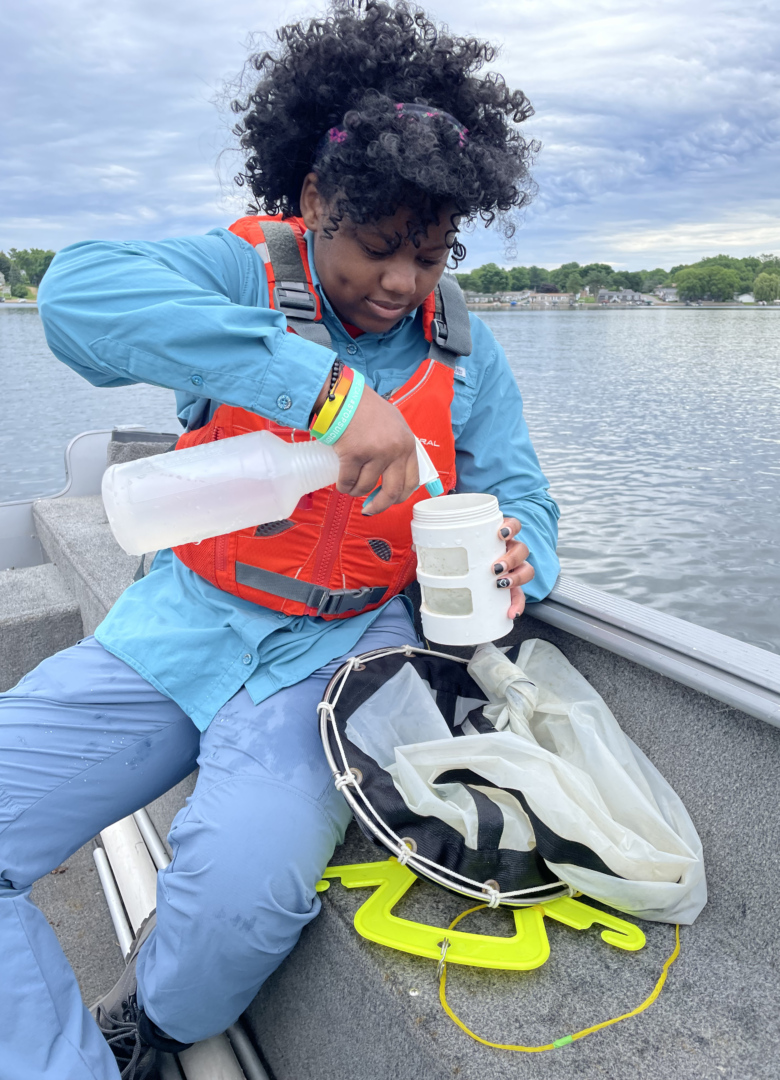
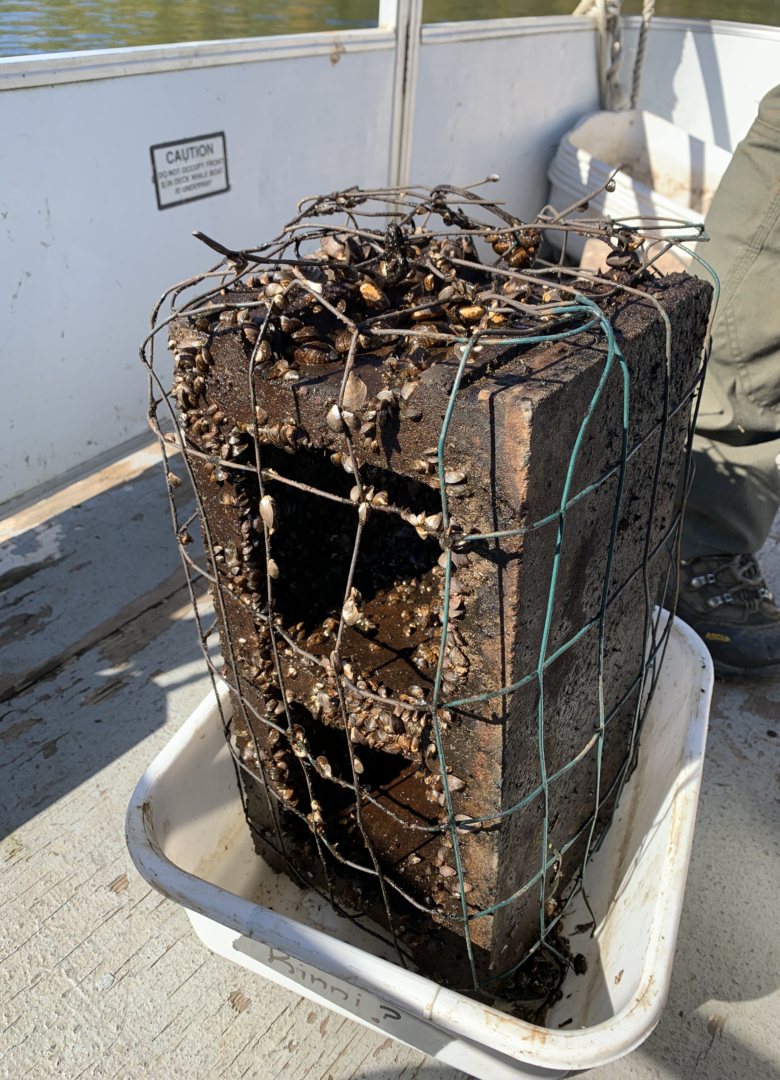
Focused Monitoring Efforts
65
lake and river sites monitored annually
for zebra mussel veligers
11
plate samplers deployed annually
for early detection in high risk waterbodies
52
hours spent inspecting watercraft
at launches in 2025
You can make a difference
Follow the state aquatic invasive species laws and these simple rules every time you launch and pull your boat:
Inspect
Check your boat, trailer, and equipment for attached plants and animals, and mud.
Clean
Remove all attached plants, animals, and mud from your boat, trailer, and equipment.
Drain
This means all water, including pools of water in the boat, to eliminate tiny larval zebra mussels, and leave your drain plugs out during transport.
Dry
Leave your boat in the sun at least 5 days before moving between bodies of water.
Visit the Minnesota DNR or Wisconsin DNR for more information on the aquatic invasive species laws in your state
Partners