
Invasive Phragmites
About Invasive Phragmites
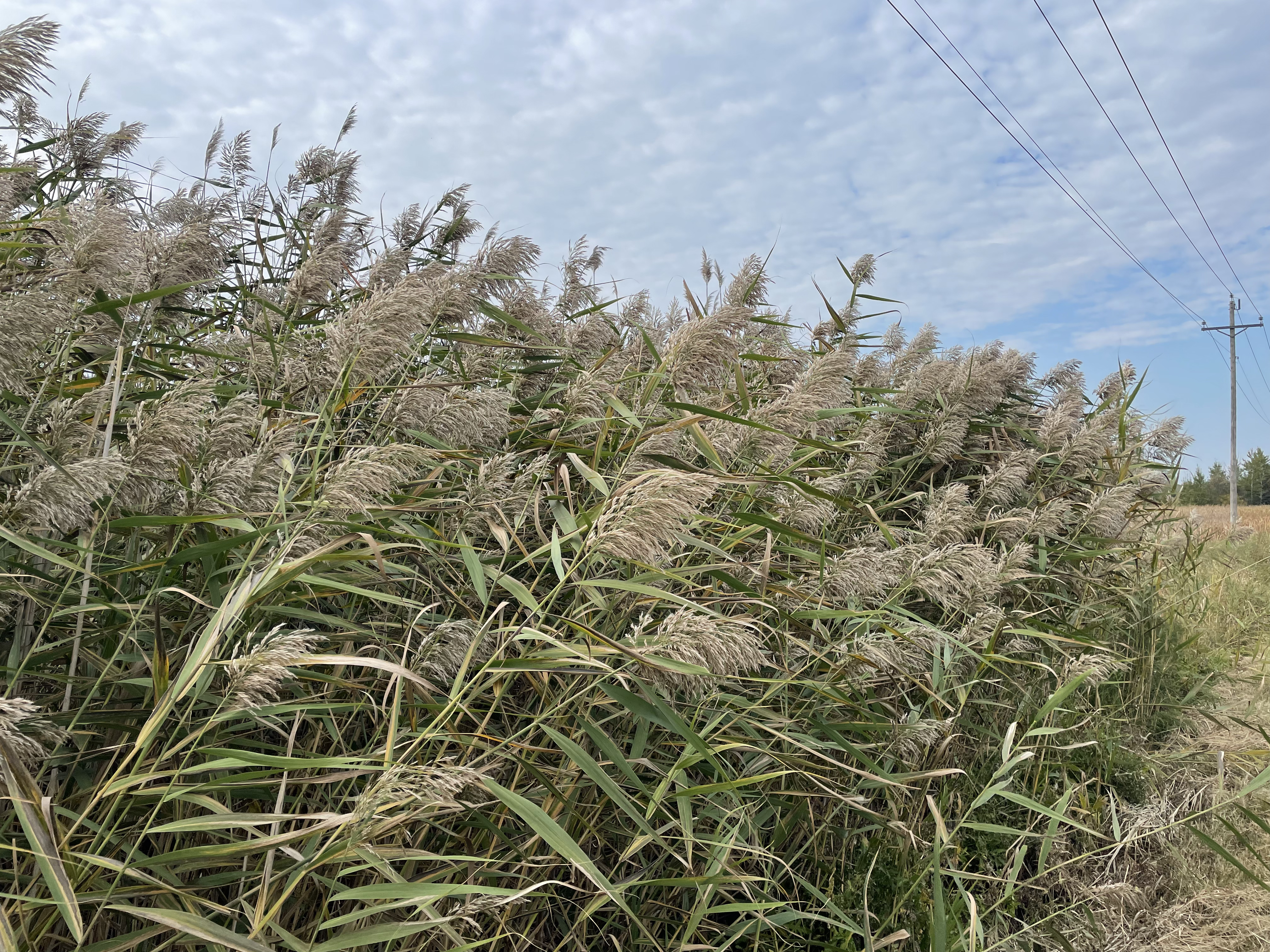
Phragmites australis subsp. Australis, otherwise known as European common reed, is a tall, semi-aquatic grass species that is invasive in North America. Invasive phragmites spreads via seed dispersal, through extensive underground root systems, and through aboveground horizontal roots called stolons.
Threats to our shorelines, waterways, and key habitat areas
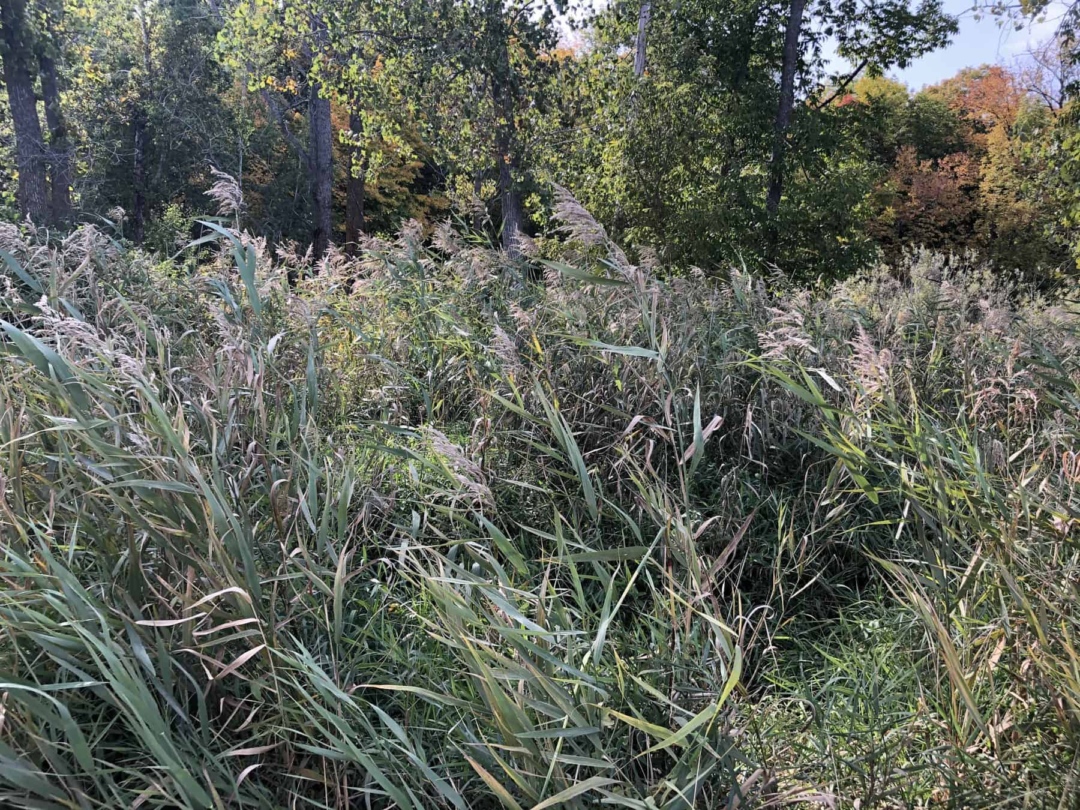
Invasive phragmites is often found growing along shorelines, in wetlands, and along roadsides. It is known to be aggressive, outcompeting native plants and growing in dense monocultures. These stands prevent the movement of wildlife such as turtles, birds, and other wetland species.
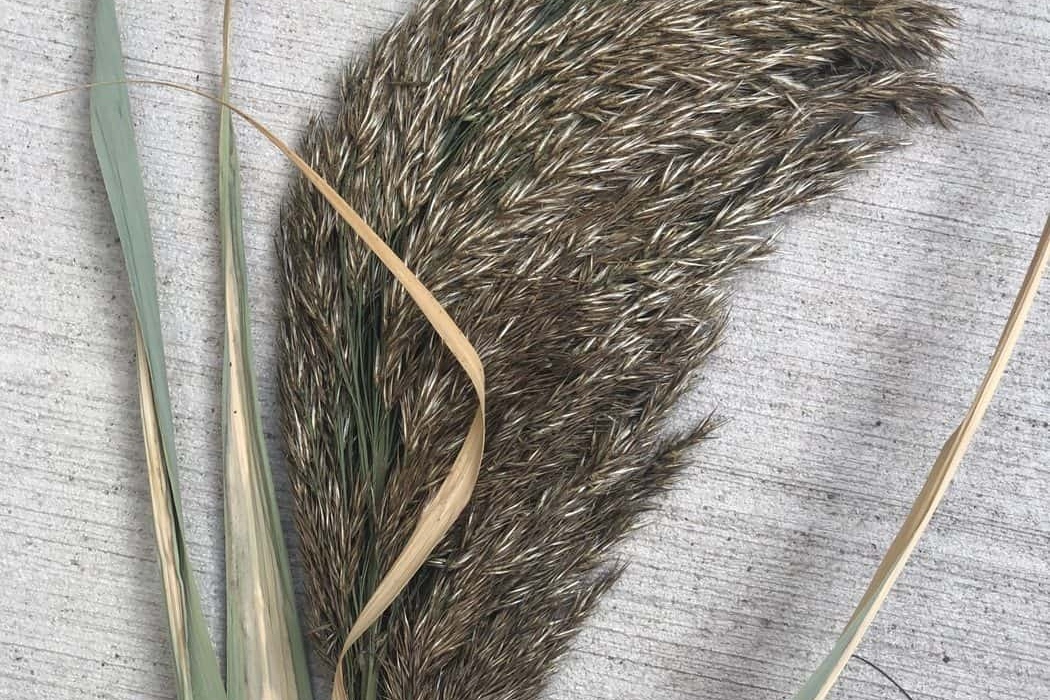
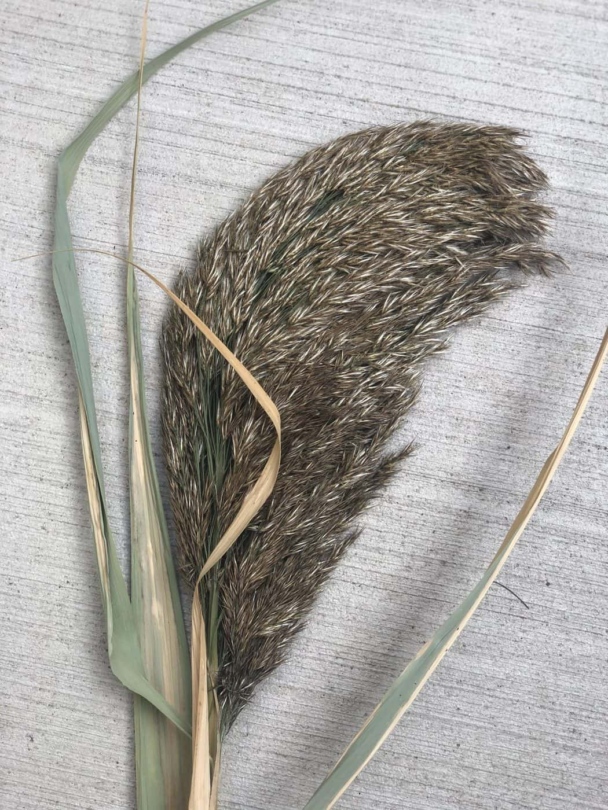
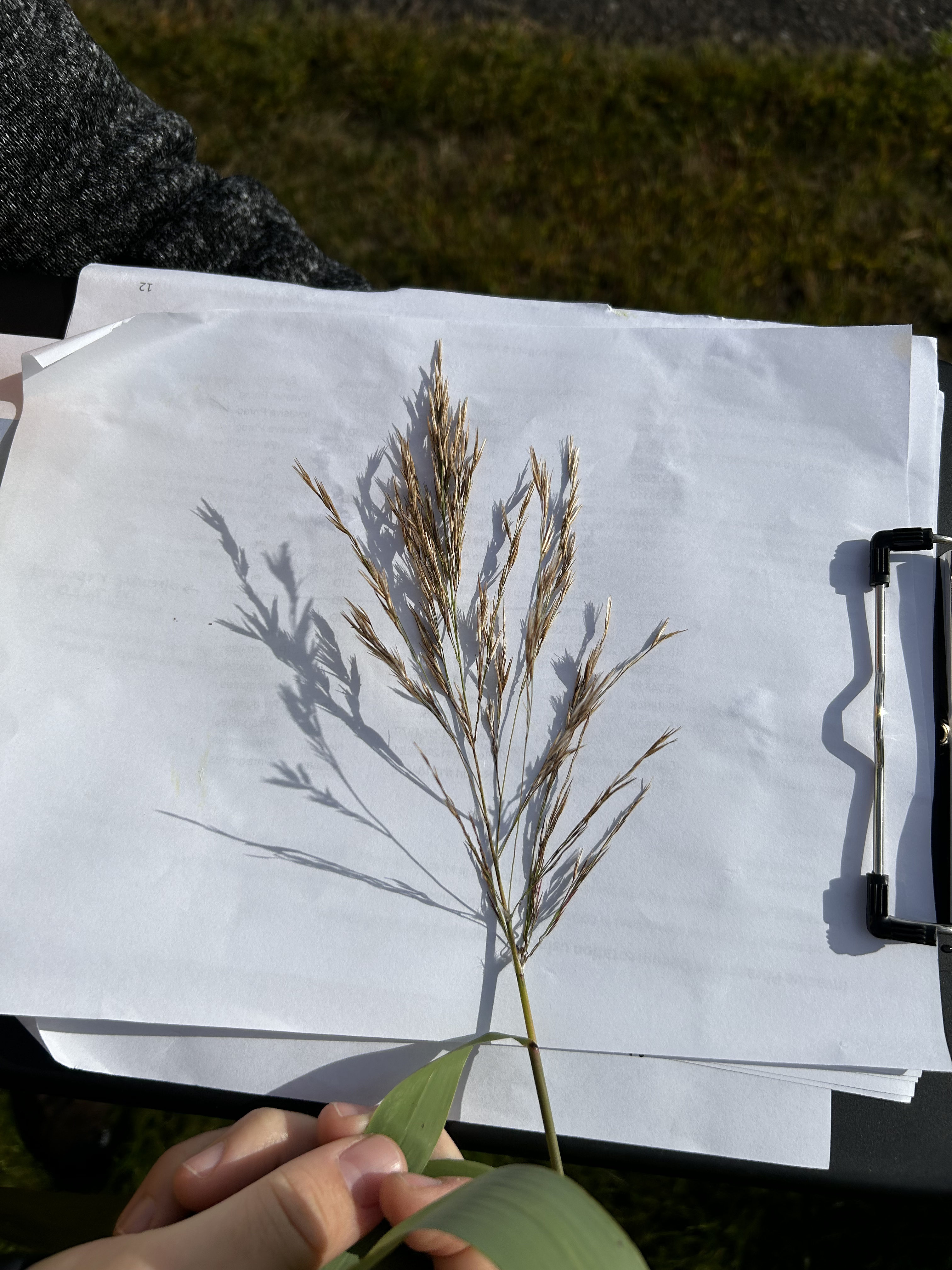
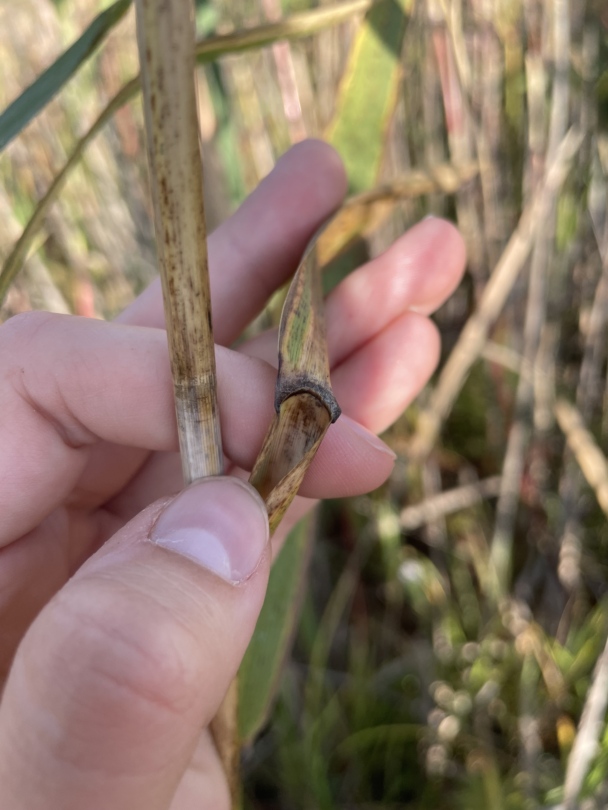
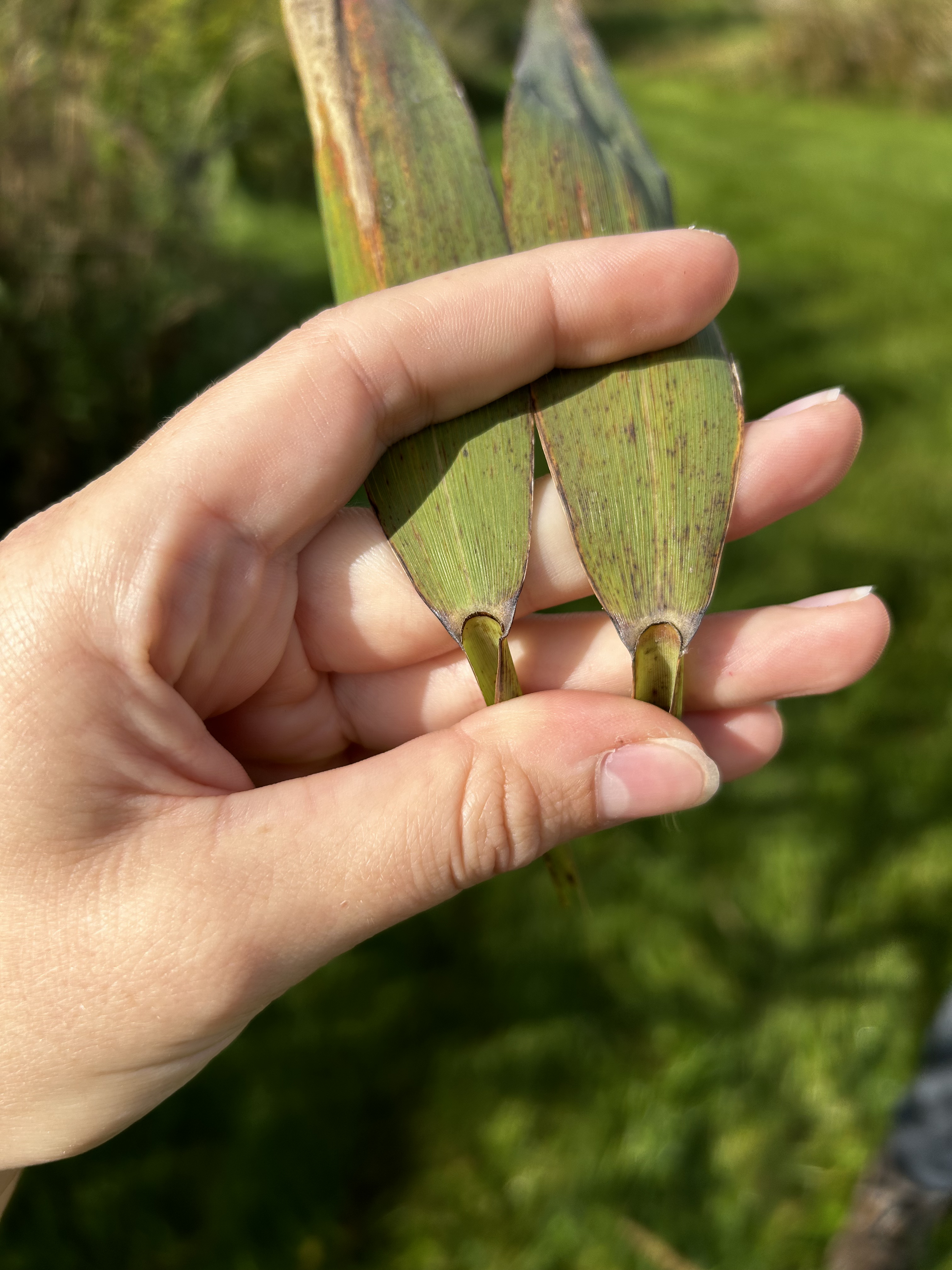
Native vs. Invasive Phragmities
What We Can Do
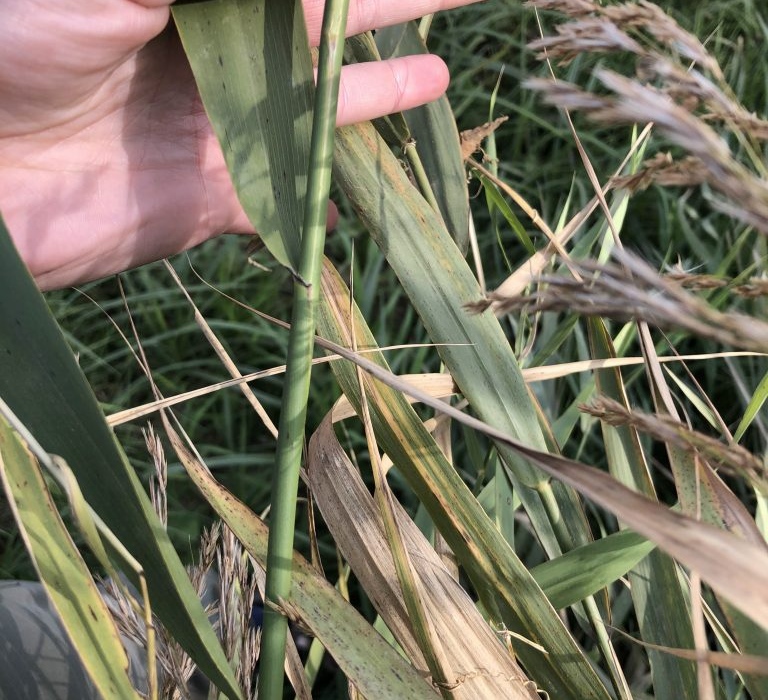
If you see any tall stands of grasses that you believe to be invasive phragmites, please take photos of the seed heads and email them to Maria Young, along with the stand’s location.
Questions?
Questions?
Contact Maria
Invasive Species Coordinator
Continue Learning
Read more about our invasive Phragmites monitoring efforts, starting in 2019.