Native Mussel Propagation
Working to save the Winged Mapleleaf Mussel
Playing a crucial role beneath the water's surface
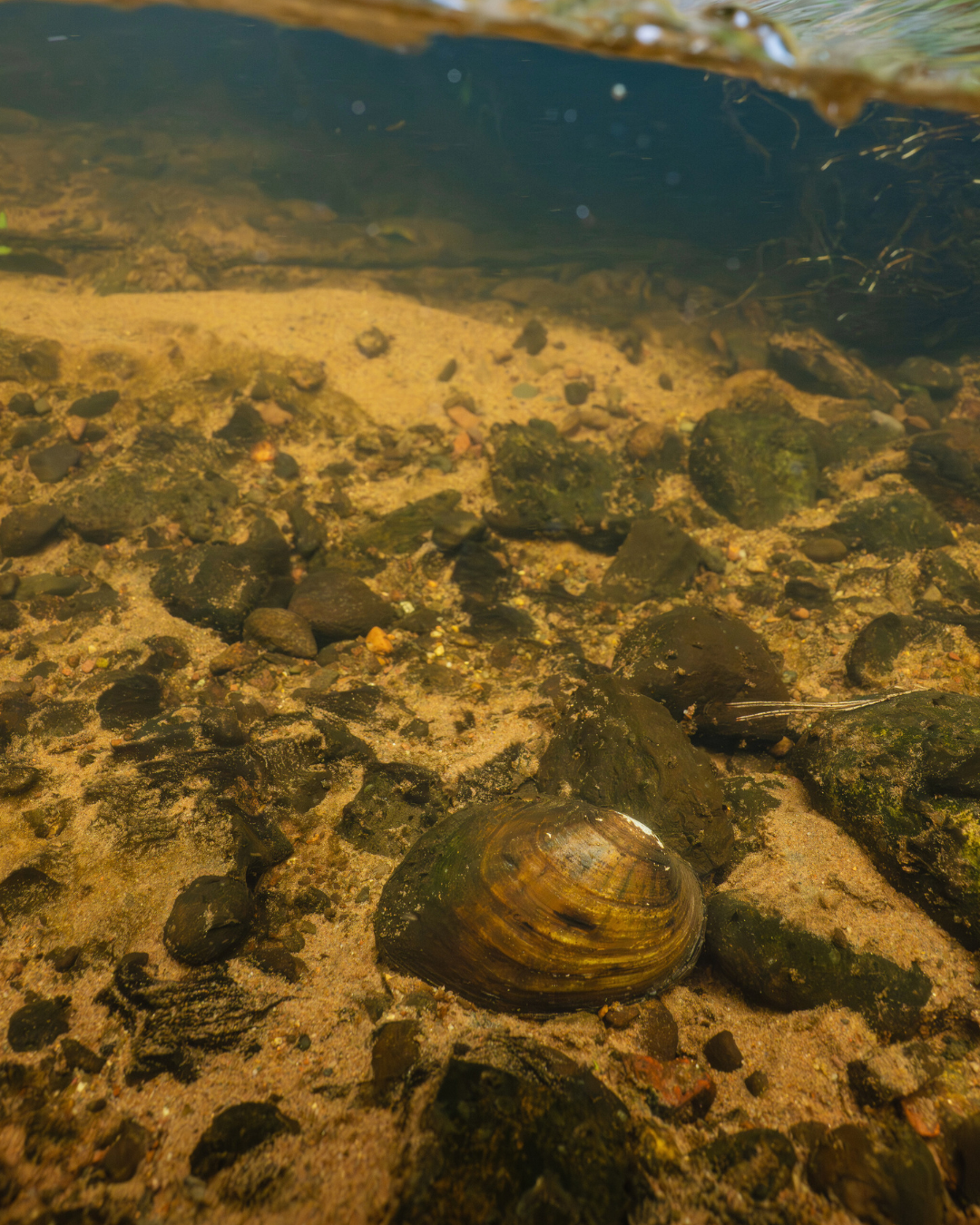
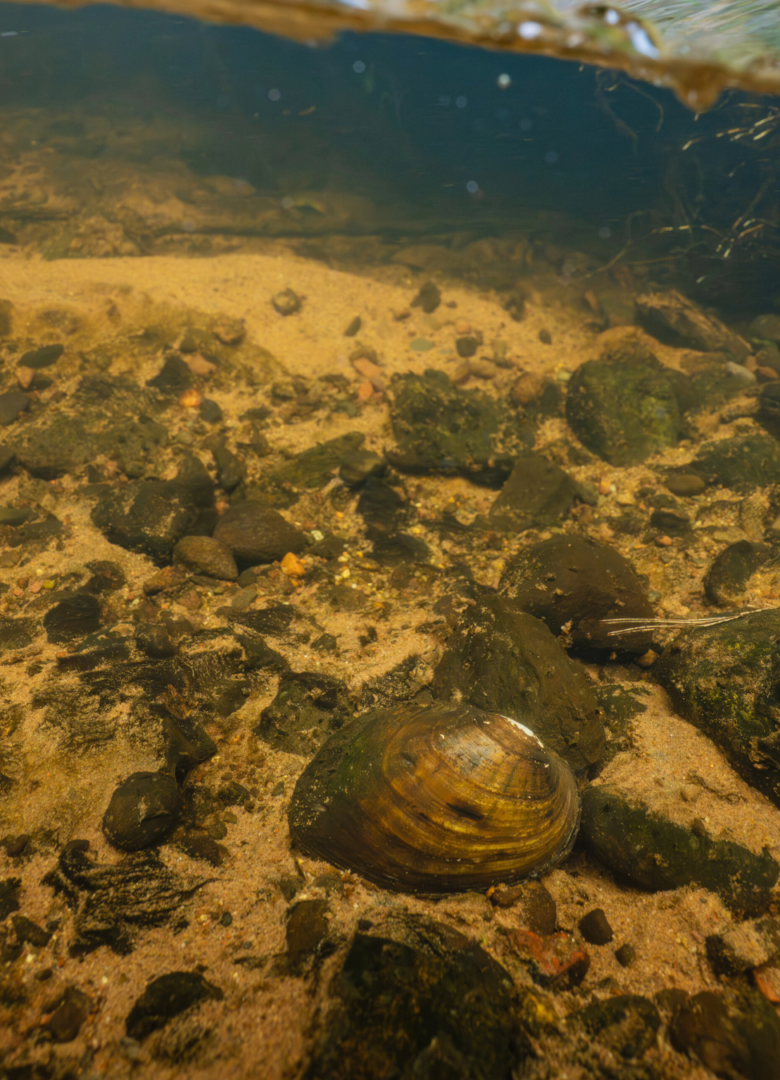
Each of the 41 mussel species found here today was present in these two rivers before European settlement. Today, this remarkably diverse mussel community is a rare example of an intact group of river-dependent animals that has withstood the test of time and changing environmental conditions.
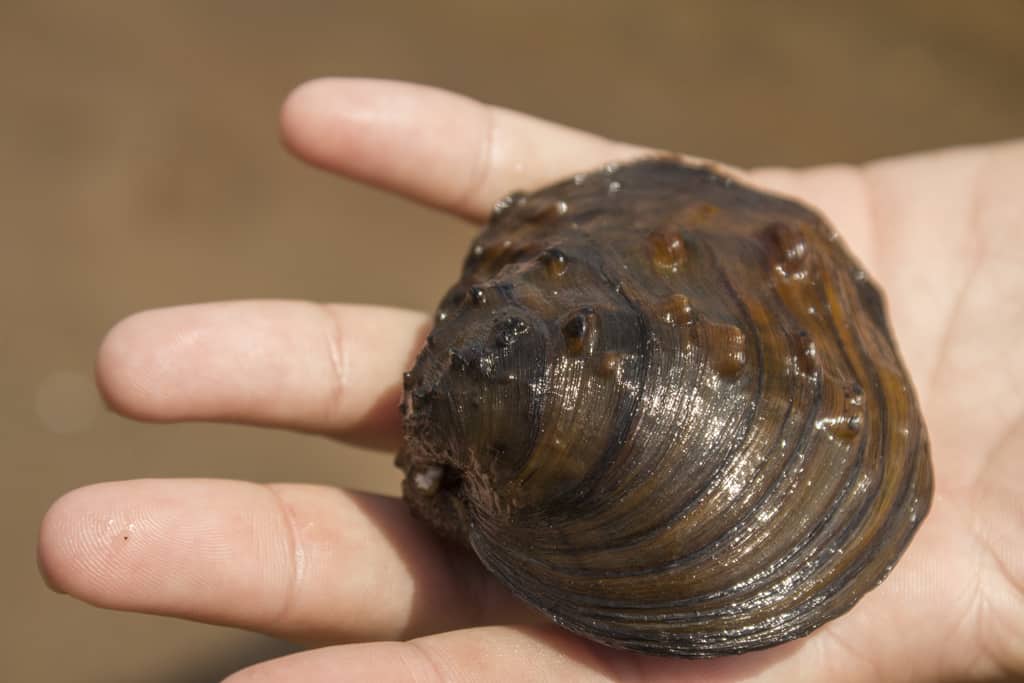
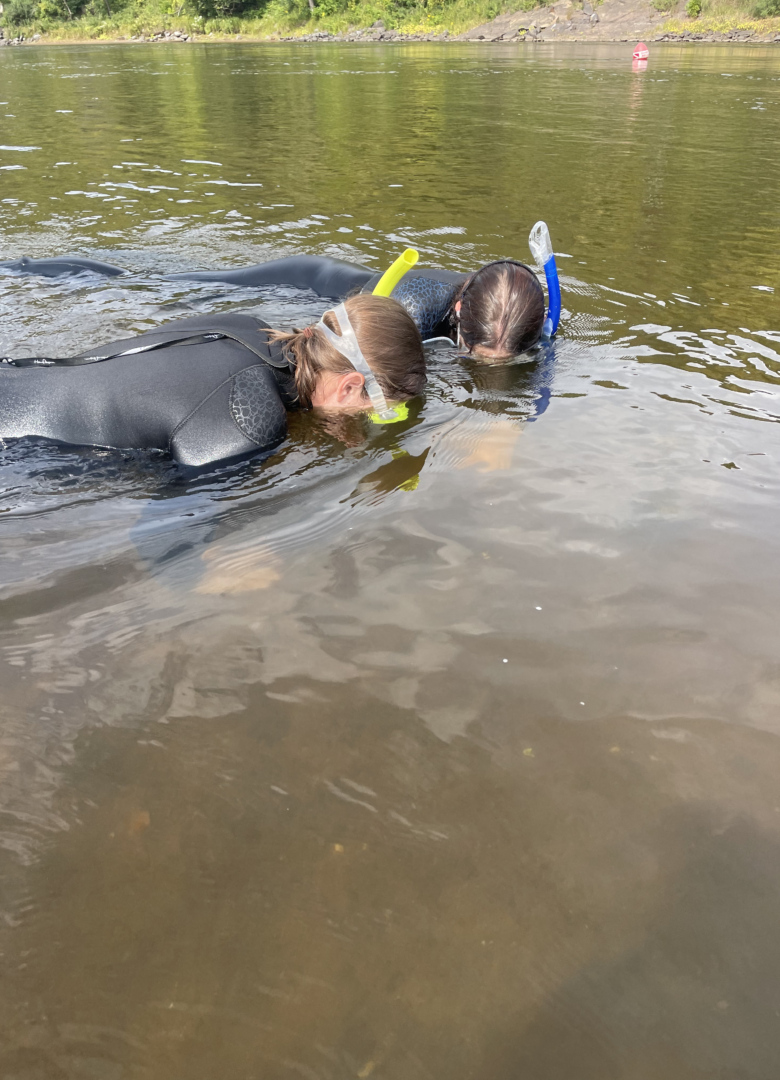
The St. Croix National Scenic Riverway is home to one of the only known self-sustaining populations of the winged mapleleaf mussel (Quadrula fragosa).
Why Native Mussels Matter
A single native freshwater mussel can filter between 5 and 15 gallons of water per day, with some reports indicating up to 18–20 gallons. They act as natural, powerful filters by removing algae, bacteria, sediments, and heavy metals from rivers and lakes.
Small Beginnings
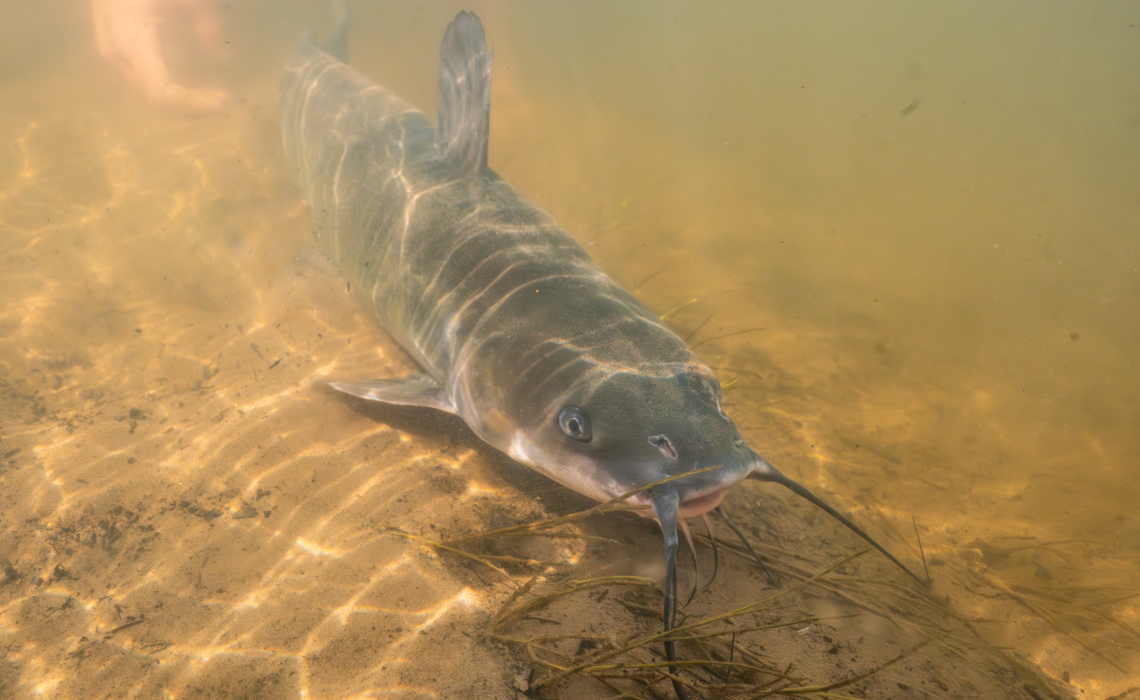
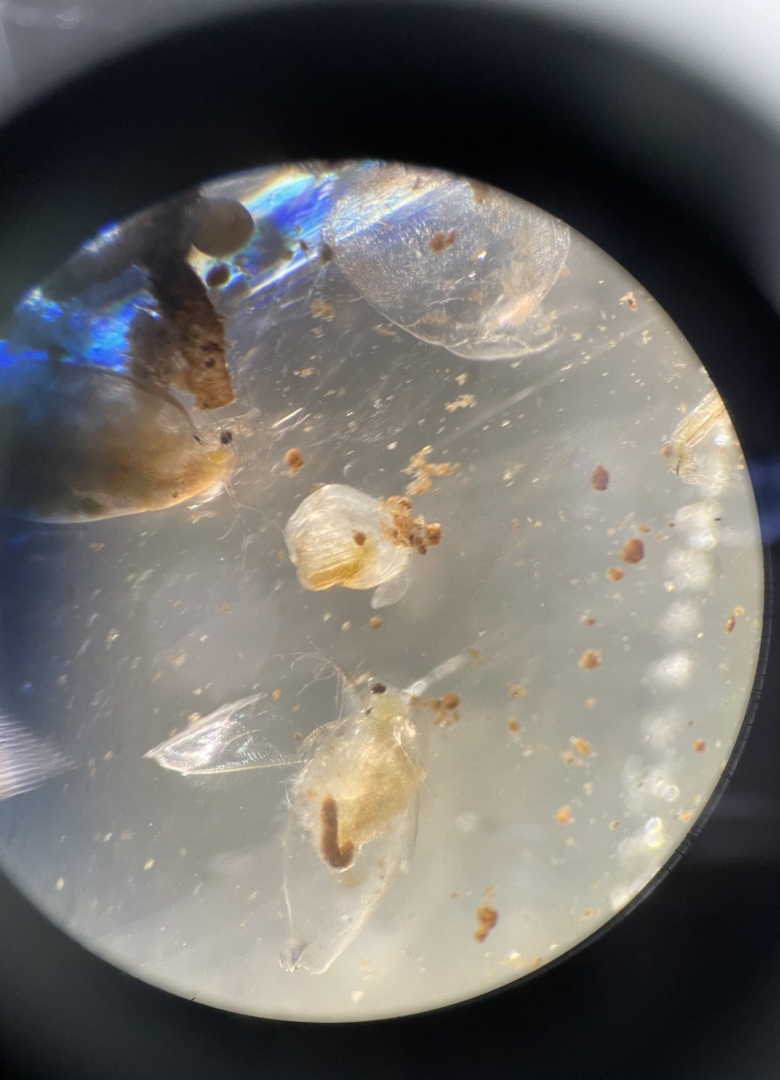
Freshwater mussels have a complex life cycle that depends on a host, often a fish, for microscopic mussel larvae, or glochidia, to develop into juvenile mussels. In early fall, female Winged Mapleleaf mussels display a tissue lure to attract a host fish, and in the St. Croix only the channel catfish will do.
The glochidia released by the female mussel then attach to channel catfish gills where, over the next 7-8 months, they develop into juvenile mussels. Those juvenile mussels then detach from the host fish and fall to the riverbed as free-living mussels.
Native Mussel Propagation
Once thought extinct, a small population was discovered in the St. Croix River in 1987. The St. Croix River population is genetically distinct and the only one known to be reproducing.
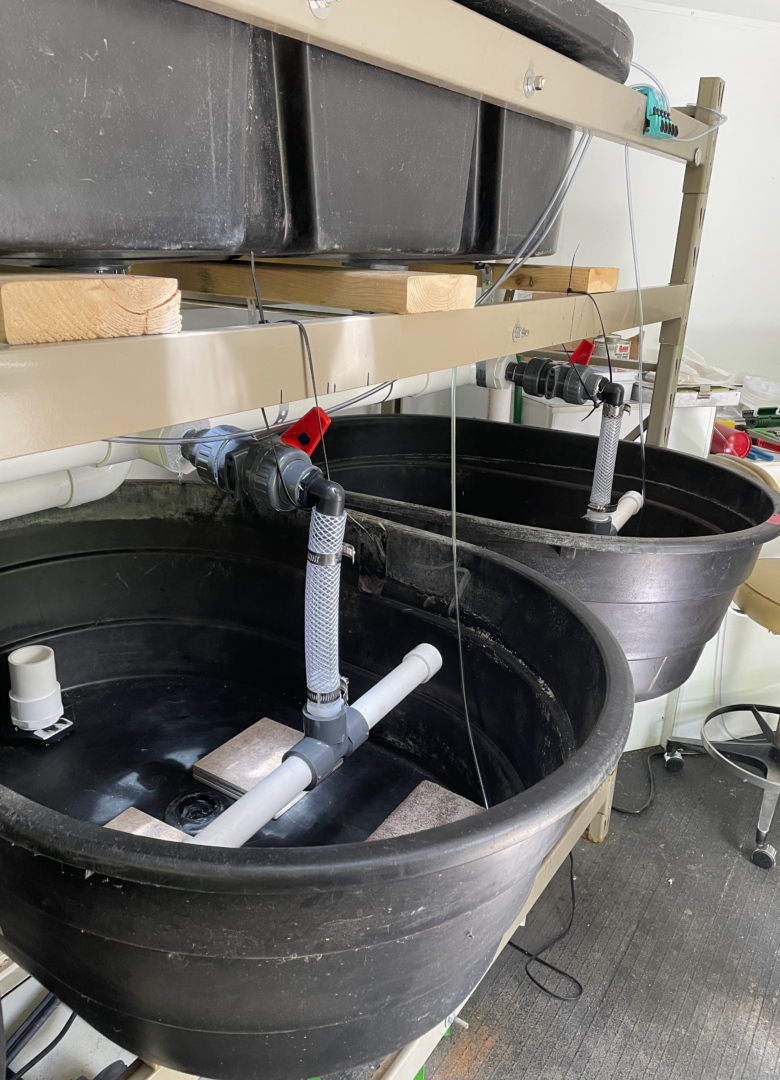
While the existence of this reproducing population brought hope, the complex life cycle of freshwater mussels meant that innovation would be necessary to achieve a stable population.
Partners
Center for Aquatic Mollusk Programs






Your Support Matters
Donate today to help us continue this important work