
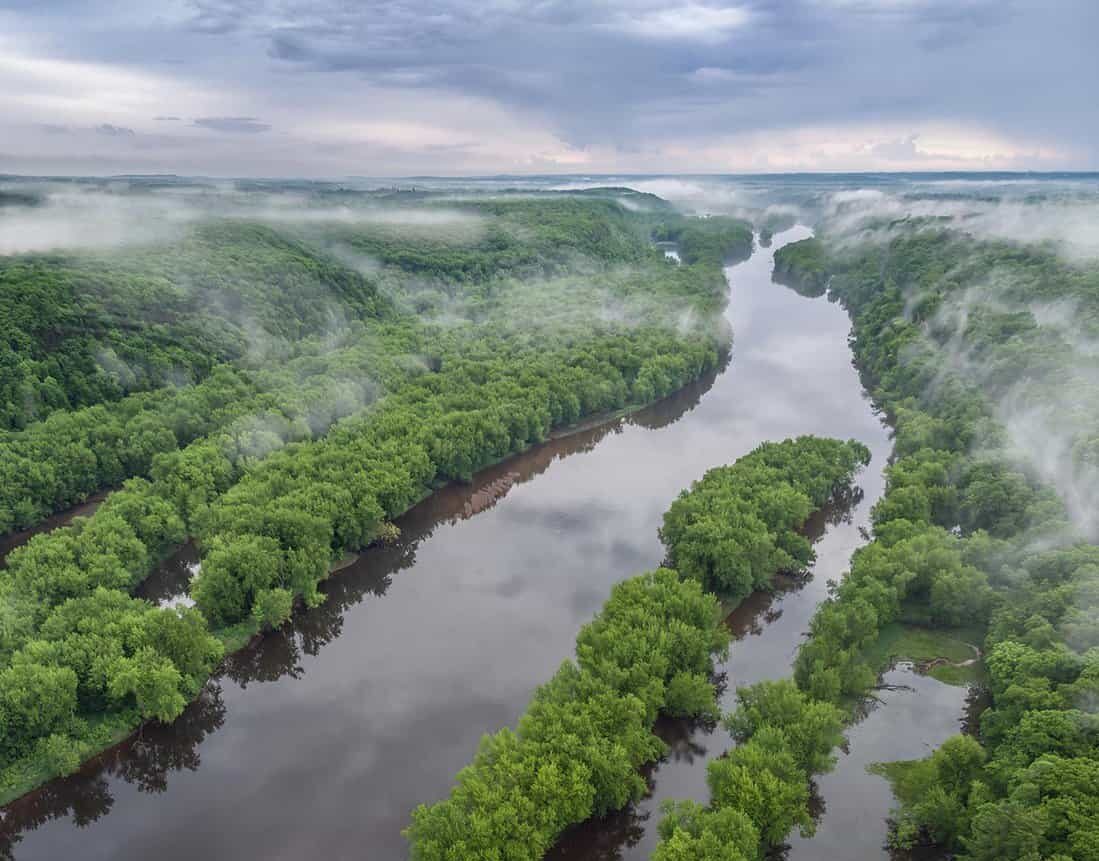
Climate Resiliency
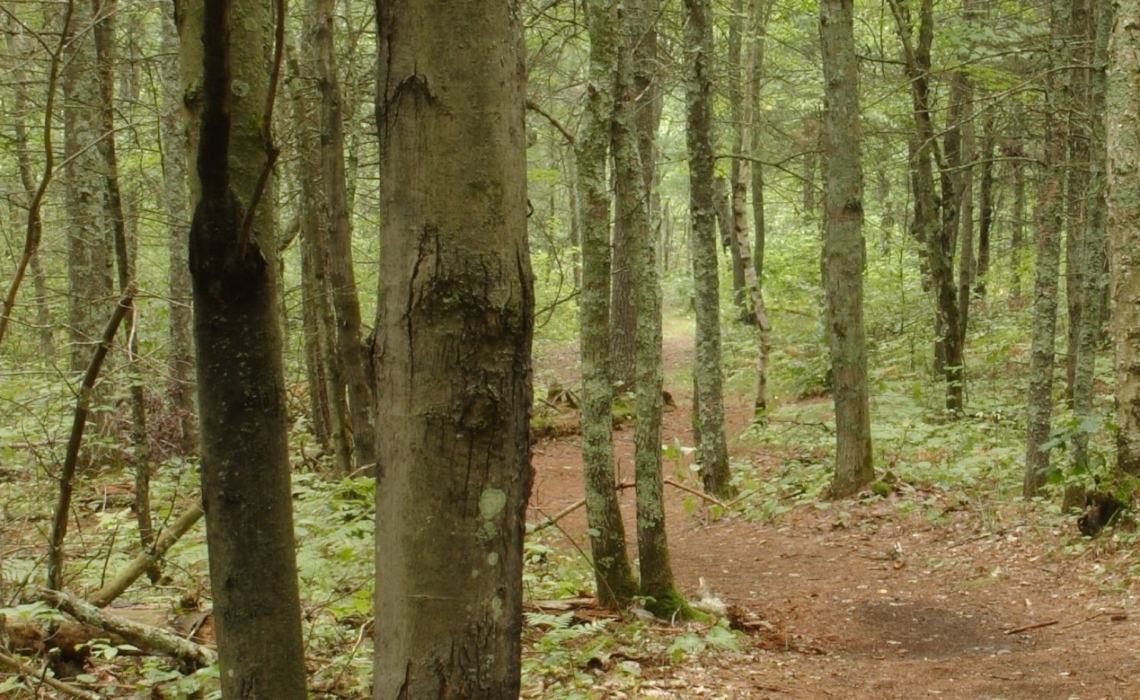
Protecting the Future of our Watershed
We work to strengthen the climate resilience of our natural resources within the St. Croix Watershed through education and outreach efforts, land stewardship programs, and proactive management decisions.
The effects of climate change on the St. Croix Watershed
While climate change is effecting our entire planet, here are a few of the localized challenges we are facing.
Changing precipitation patterns
Overall the state is getting wetter. When we do get precipitation events, they tend to be more wet on average than in years past.

Shifting habitat
Hardiness zones, flora & fauna, and baseline environmental conditions are changing. Also, invasive species are altering habitat
Rising temperatures
Temperatures are increasing across the state in all seasons. Winters are warming up the fastest. Summer temperatures are projected to stay relatively similar to how they are today.
FAQ’s
How is climate change impacting the St. Croix Watershed?
The St. Croix Watershed is expected to experience A) Rising Temperatures: especially during night time and the winter. B) Changing precipitation patterns: This region is projected to get wetter overall. Rain events are likely to be heavier and more intense. C) Shifting Habitat: The St. Croix Watershed is home to diverse habitats ranging from prairie to deciduous broadleaf forests to boreal conifer forests. Each of these ecosystem types are adapted to certain temperatures and precipitation levels. As these levels change, these regions are expected to move to new areas, meaning what may be a conifer forest today could become a deciduous broadleaf forest in the coming decades. These changes will open up encourage the spread of invasive species, cause habitat shifts for wildlife, and impact landowners, tourism, and recreation.
Where can I find climate data for the St. Croix Watershed?
Climate data for the St. Croix Watershed can be found on the following sites:
How can I prepare my land for climate change?
There is a proverb that goes “The best time to plant a tree was 20 years ago. The second best time is now”. This concept is the same for climate change. The best thing a landowner can do to build their resilience to climate change is to take action now. This can take many forms, such as planting trees that are expected to do well in our changing climate, removing invasive species to reduce stress on the land, and promoting diverse species, stand structure, and age classes on the land. To learn more about preparing your land for climate change, we recommend:
What is climate resilience?
Climate resilience is a term used to describe the ability of an entity, such as an ecosystem, to anticipate, prepare for, and respond to climate change. For example, a forest with diverse species, multiple age classes, and varied structure would have high climate resilience or a strong ability to survive & adapt to the impacts of climate change.