The following comments were submitted to the Minnesota DNR on September 9th, 2026, as part of the open comment period for the Tamarack Mining Project Environmental Impact Statement.
Introduction
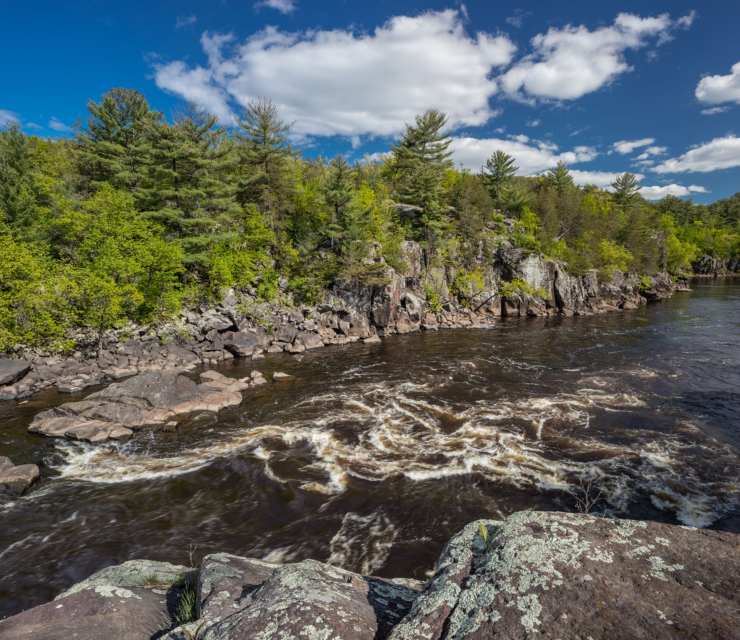
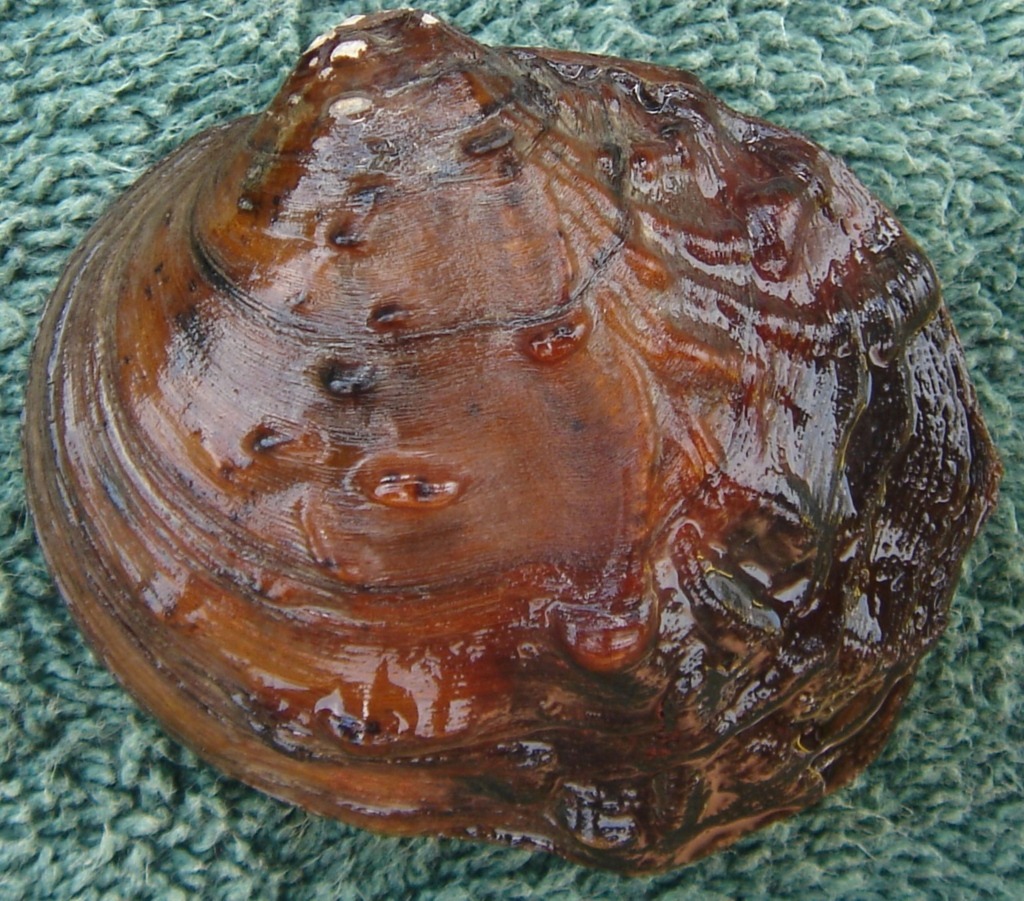
The St. Croix National Scenic Riverway is one of America’s great conservation success stories, protected in 1968 as one of the nation’s original Wild and Scenic Rivers. Managed as a unit of the National Park Service, this 200+ mile stretch of clean, free-flowing water maintains exceptional water quality and excellent biodiversity, including habitat for 41 species of native mussels, several of them federally endangered, such as the Higgins eye, sheepnose, snuffbox, spectaclecase, and winged mapleleaf. That makes the St. Croix one of the richest mussel habitats of any
river in North America. The watershed’s significance rests on what makes it unique: its free-flowing tributaries, scenic beauty, striking glacial landscape, rich cultural history, and outstanding wilderness recreational opportunities located less than an hour from a major metropolitan area.
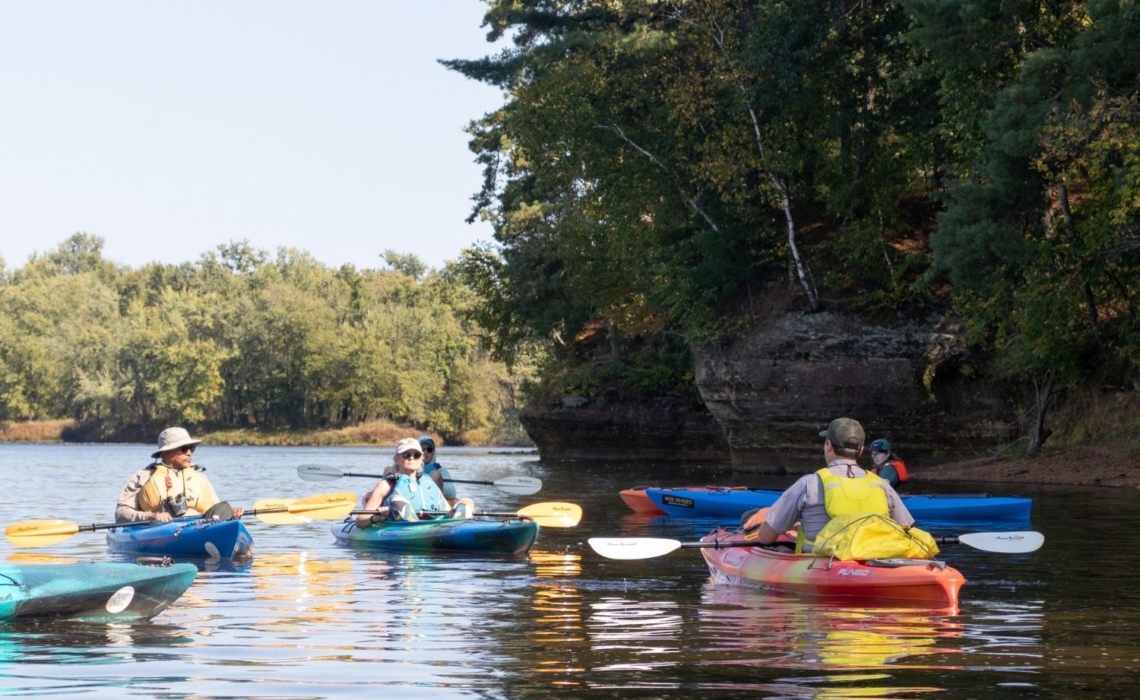
In 2024 alone, 901,000 visitors spent an estimated $47 million in local communities while exploring the St. Croix region. That spending supported a total of 467 local jobs, $22.0 million in labor income, $38.9 million in value added, and $64.7 million in economic output in local gateway economies across the region.
Wild Rivers Conservancy of the St. Croix & Namekagon carries forward a legacy of
community-driven stewardship dating back to 1911, including decades of water quality monitoring and partnership work across the basin that inform our understanding of the risks described below. Grounded in a vision of a thriving watershed that is forever accessible, scenic, and wild, our mission is to inspire stewardship to forever ensure the rare ecological integrity of these waters.
Because federal protection covers only a narrow ribbon of shoreline, the Conservancy expands its protection efforts across the entire 7,800-square-mile watershed—partnering with public agencies, local communities, and private landowners to advance proactive land conservation, protect water quality, and champion sustainable outdoor recreation. It is within this mandate that we submit these formal comments regarding the risks posed by the proposed Talon Metals sulfide-ore nickel mine.
Ecological Vulnerability: A Water-Dominated Landscape
The proposed mine site sits in a landscape dominated by wetlands, peatlands, lakes,
and shallow groundwater. In areas like this, groundwater and surface water are closely connected—meaning lakes, streams, and wetlands aren’t separate from what happens underground; they’re all part of the same interconnected water system.
Because of this connection, any pollution or disruption at the mine site would not stay in one place—it would spread across the wider watershed. Wetlands and peatlands act like natural sponges and filters for the whole basin. Disturbing them creates a serious risk of lasting damage to water quality, natural water flow, and the overall health of the St. Croix and Mississippi River watersheds.
Breadth of Impact: Affected Stakeholders & Communities
The potential negative impacts from sulfide-ore mining reaches far beyond the
immediate footprint of the mine site . The ecological ripple effects threaten diverse
populations, cultures, and regional economies, including:
Local & Downstream Communities: Residents and municipalities that rely on
unpolluted groundwater for drinking water and clean surface waters for daily life.
Tribal Nations: The Mille Lacs, Fond du Lac, and other Ojibwe Bands hold
reserved treaty rights—guaranteed under the 1855 Treaty that secure their
inherent rights to harvest wild rice (manoomin), fish, hunt, and protect culturally
significant natural resources throughout their ceded territories.
Outdoor Recreationists: Millions of anglers, paddlers, hunters, campers, and eco-tourists who draw health and inspiration from the pristine character of the St. Croix and Mississippi riverways.
Regional Businesses & Local Economies: Property owners, outfitters, hospitality providers, and municipalities whose livelihoods depend directly on a thriving outdoor tourism economy driven by clean lakes and rivers.
Future Generations: The communities who will inherit the long-term environmental legacy and depend on a resilient, unpolluted watershed.
Critical Environmental Risks & Long-Term Threat
Protecting the long-term health of the St. Croix watershed means protecting both
groundwater and surface water systems. Sulfide-ore mining introduces a hazardous
class of environmental threat that requires complex, perpetual management often longafter mining operations have ceased.
The MN DNR must fully evaluate the following critical concerns:
- Acid Mine Drainage (AMD): Acid Mine Drainage (AMD): When rock containing sulfide minerals are exposed to air and water, they produce sulfuric acid that leaches toxic heavy metals into surrounding water supplies, posing an enduring threat to aquatic life and public health.Minnesota’s own Dunka Mine site, roughly 60 miles northeast on the Iron Range, has required AMD treatment for over three decades since mining ceased there; a directly relevant in-state precedent for the perpetual liability at stake.[https://webapp.pca.state.mn.us/surface-water/station/MN0042579-SD-001].
- Water Table Disruption : Continuous mine dewatering risks drastically lowering local water tables, potentially draining nearby wetlands, drying up domestic wells, and reducing baseflows in surrounding tributaries.
- Ecosystem & Habitat Degradation: Contaminated runoff and altered hydrologic regimes threaten fragile peatlands, cold-water fisheries, and downstream aquatic species, including rare freshwater mussel populations.
- Loss of Tribal Treaty Resources: Sulfide pollution poses a threat to sensitive wild rice (manoomin) beds, which require strict water purity and stable hydrologic conditions to survive.
- Cumulative Impacts of Expansion: The DNR must evaluate the broader, cumulative impacts of potential future mine expansions beyond the initial permit boundaries, as the full scale of the ore body threatens two major continental river basins.
- Long-Term Financial Assurance & Reclamation Liability: Given AMD’s multi-generational treatment burden, the DNR must require financial assurance (reclamation bonding) sized to cover perpetual water treatment costs — not just active mining and closure — so that public funds and downstream communities are not left bearing the cost if the operator ceases to exist.
Conclusion
Protecting clean water, healthy fisheries, wildlife habitat, Tribal resources, and the
ecological integrity of the St. Croix watershed must remain the highest priority for
regulatory authorities. The irrecoverable ecological, cultural, and economic values of
this landscape are fundamentally incompatible with the inherent, perpetual risks of
sulfide-ore mining.
On behalf of our constituency, partners, and the millions who recreate in and depend on the St. Croix River watershed, Wild Rivers Conservancy urges the Minnesota
Department of Natural Resources to exercise the utmost rigor, apply the highest
precautionary standards, and prioritize the permanent protection of our shared water resources above all short-term mining developments.
Specifically, we request that the DNR:
- Require a full Environmental Impact Statement that looks at the mine’s total potential impact, including possible future expansion with cumulative-impact scoping that includes reasonably foreseeable mine expansion.
- Require the mining company to set aside enough money to cover the full, long-term cost of water treatment.
- Allow enough time in the public comment period for Tribal Nations and local communities to fully review the impacts to water and treaty-resources.
Respectfully submitted on behalf of Wild Rivers Conservancy of the St. Croix & Namekagon,
Matt Poppleton
Executive Director
Read More
News
Government Shutdown Update: Standing Together for the St. Croix National Scenic Riverway
October 9, 2025
News
The Saint Croix National Scenic Riverway Needs Your Voice
February 25, 2025
Invasive Species
My, What Yellow Flowers You Have: Yellow Flag Iris and Its Impacts
May 19, 2024
Get More Stories
Join Our Email Newsletter