
The importance of a keystone
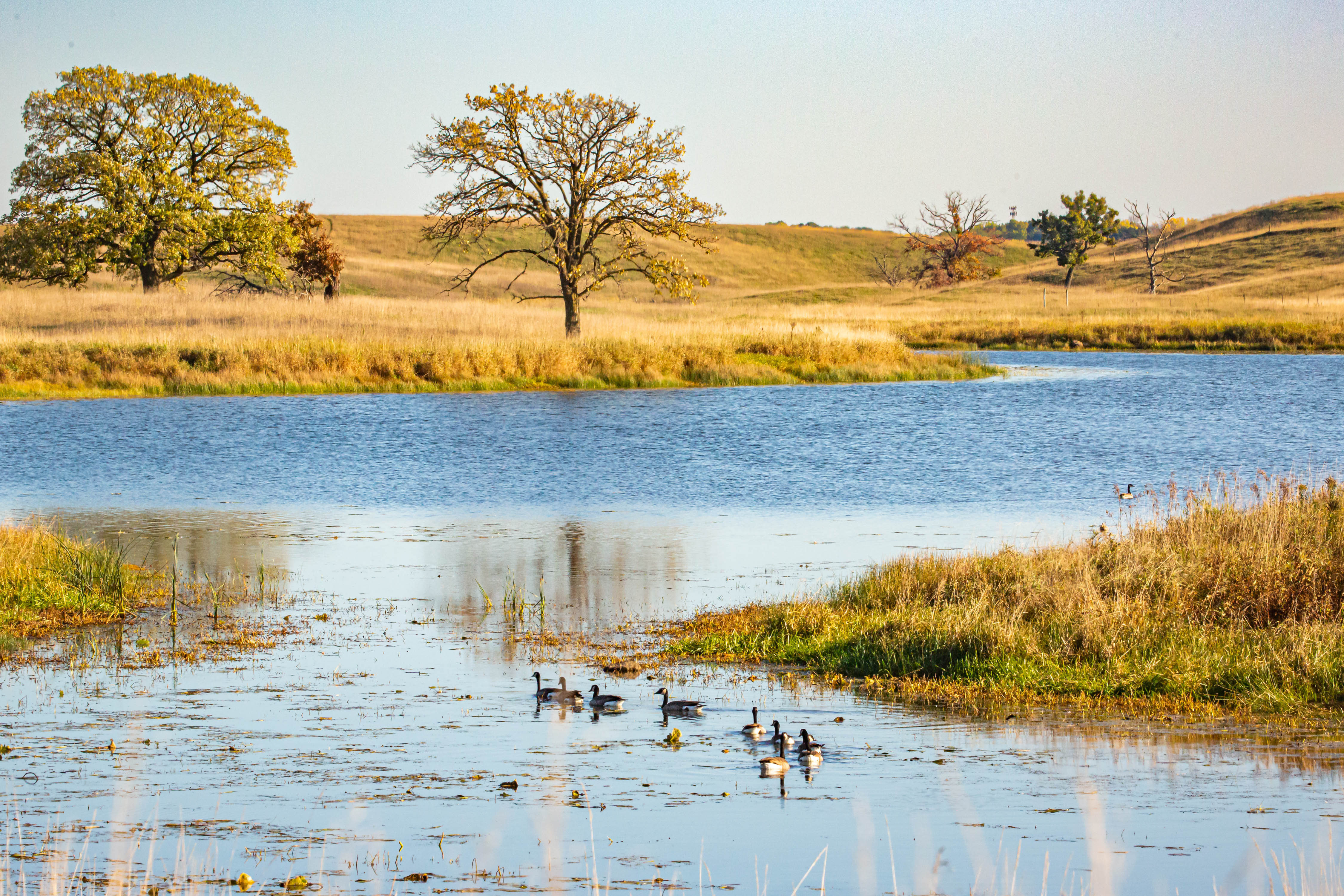
In any habitat or community, a “keystone” is an essential element. In an ecosystem, keystone species are organisms that hold their system together and are critical to the survival of other species. Beavers protect river ecosystems by building dams that create wetlands for animals to thrive. Bees spread the pollen flowers need to fertilize and flourish.
In a similar manner, Keystone Woods Wildlife Management Area, a protected parcel of land in the north metro of Minnesota, is critical for the ecosystems it harbors, the watersheds it is a part of, and the public’s access to natural land.
What is Keystone Woods WMA?
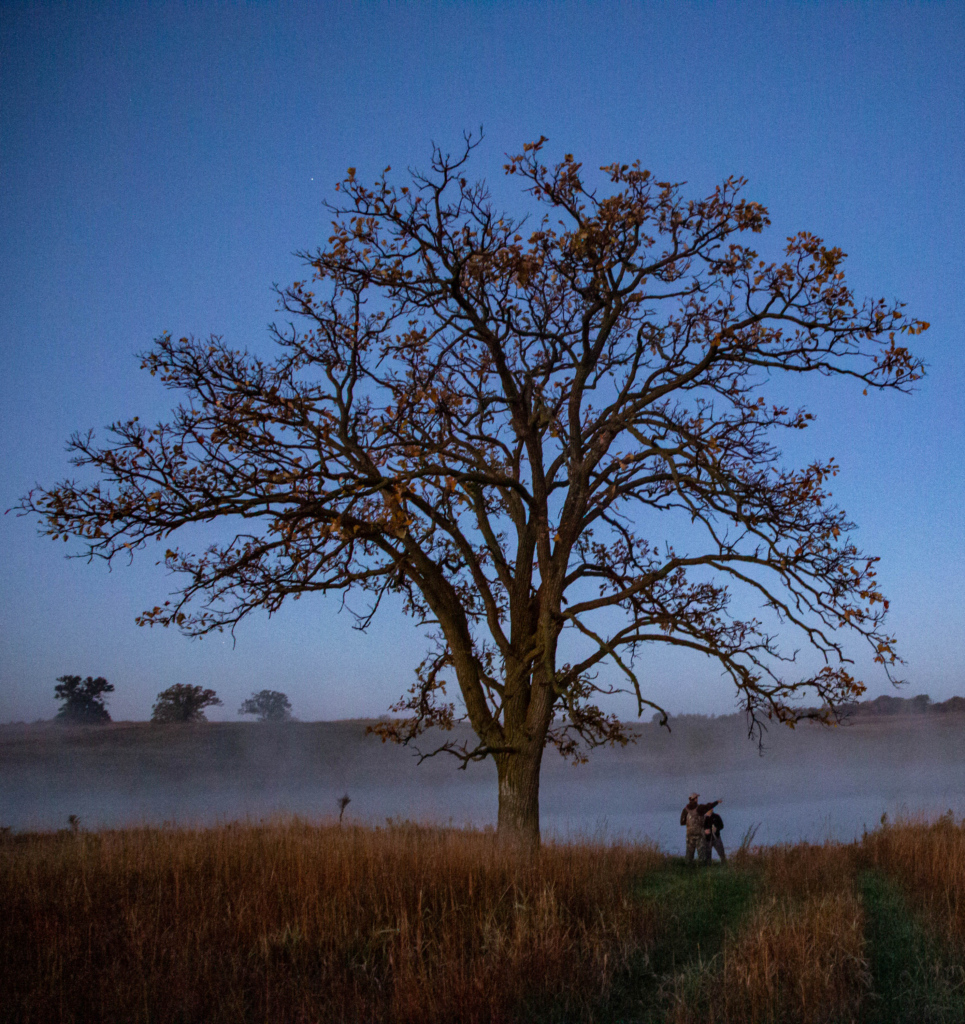
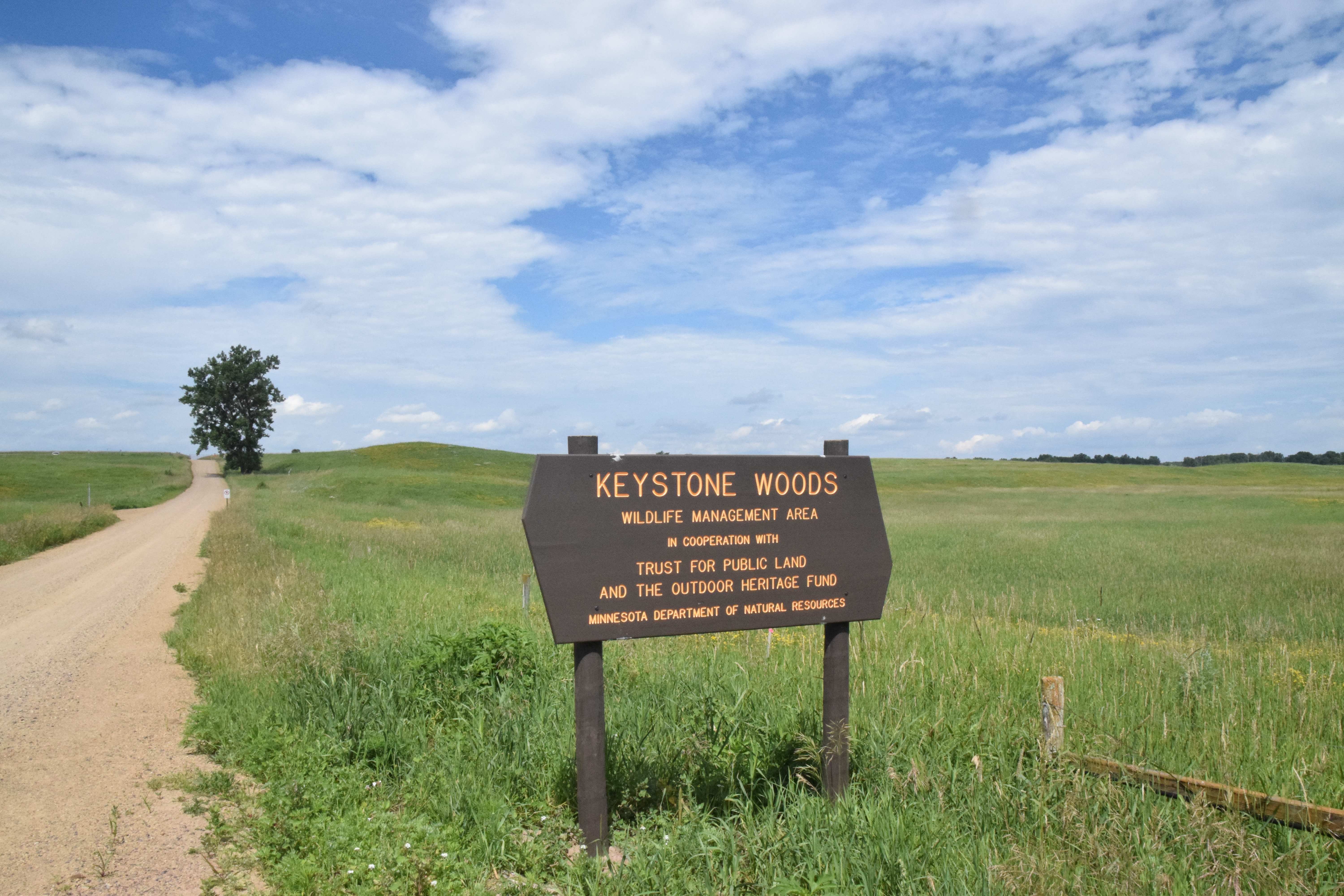
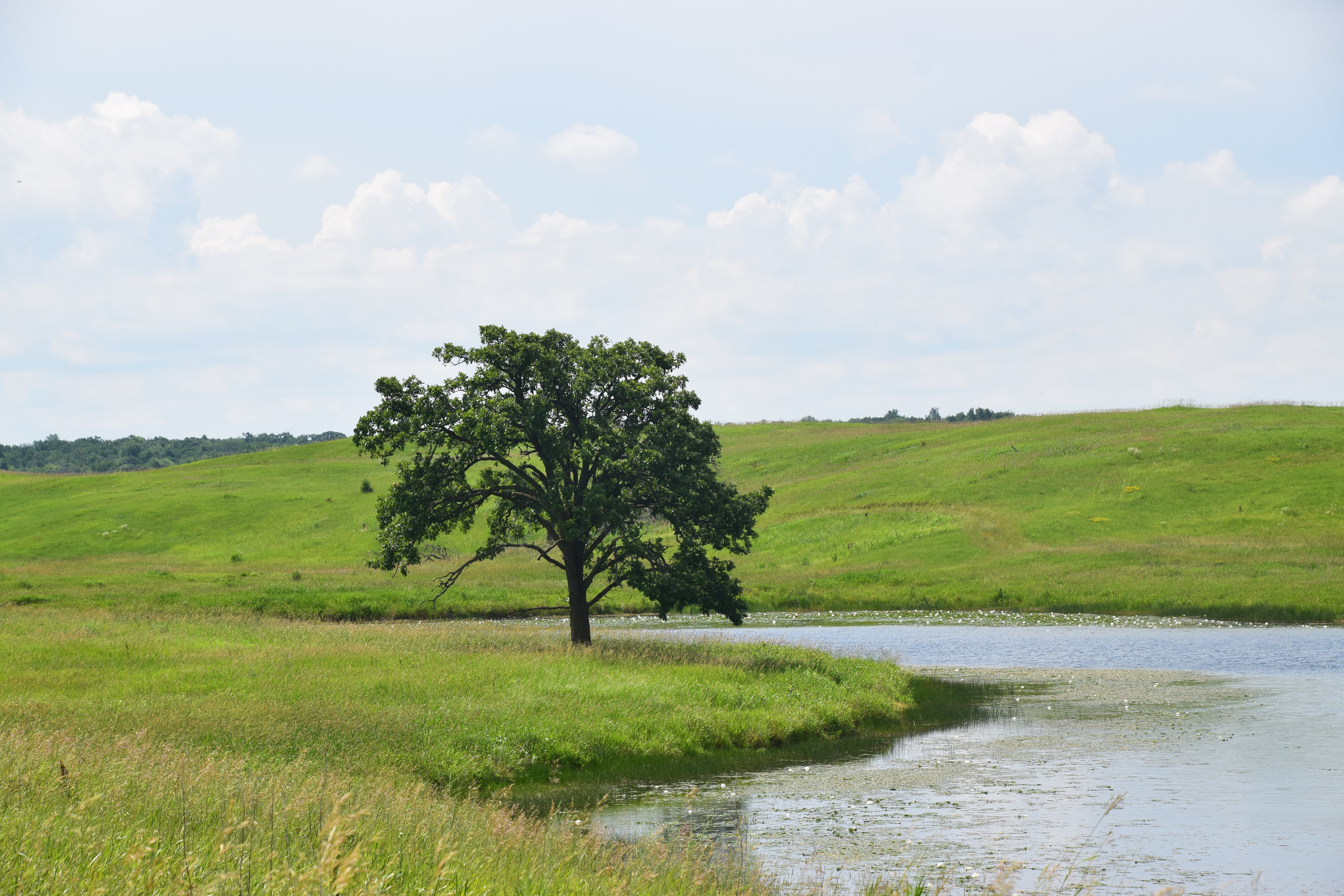
Located in Washington County just 15 minutes north of Stillwater, Keystone Woods WMA is one of the largest tracts of undeveloped land in the Twin Cities metropolitan area. It is home to a variety of diverse habitats including hardwood forest, grasslands, and wetlands and is part of the larger St. Croix Watershed.
Keystone Woods WMA is a Wildlife Management Area (WMA), meaning the land and water have high potential for recreational uses and will be protected for future generations through management by the Minnesota Department of Natural Resources (DNR) Division of Wildlife. The public is provided with opportunities to hunt, fish, observe wildlife, and recreate within Keystone Woods WMA
The Wild Rivers Conservancy is thrilled to have worked with Trust for Public Land to protect such a special area. The Conservancy is a conservation outreach and grant administrator partner for land protection non-profits that works with the Outdoor Heritage Fund to obtain funding for conservation projects such as the acquisition of Keystone Woods WMA.
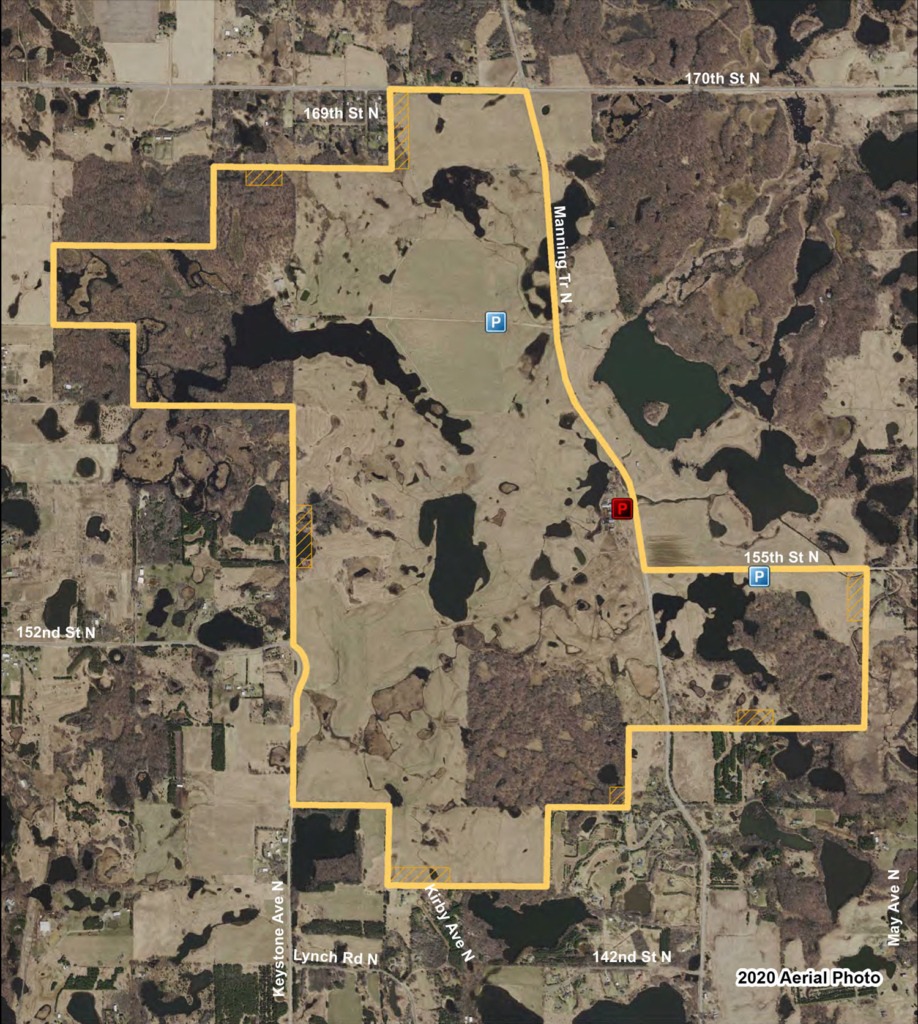
1,833 acres
Keystone Woods Wildlife Management Area
What makes this land unique
Keystone Woods WMA is one of Washington County’s “Top 10 Priority Conservation Areas.” Population expansion in Washington County makes this land highly desirable as it is rare to be able to protect such a large, non-fragmented parcel of land so close to the Twin Cities.
Keystone Woods WMA spans 1,833 acres of Washington County and will provide outdoor recreation opportunities within an hour’s drive of over half of Minnesota’s population.
Keystone Woods WMA’s location in the St. Croix Watershed is special. It acts as a buffer, reducing nutrient runoff and contamination in the water before it flows throughout the watershed. This property is key for both habitat preservation and Minnesotans’ access to outdoor recreation opportunities
Timeline
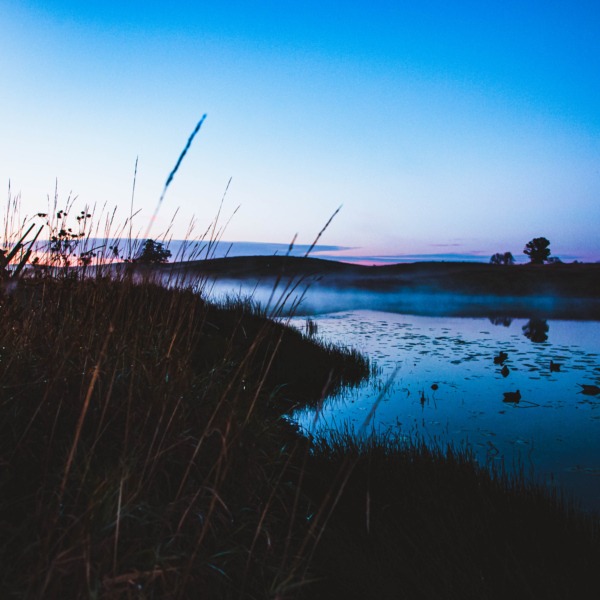
Before being developed, the land was likely used by the Dakota as a provider of fish, game, medicines, and wild rice.
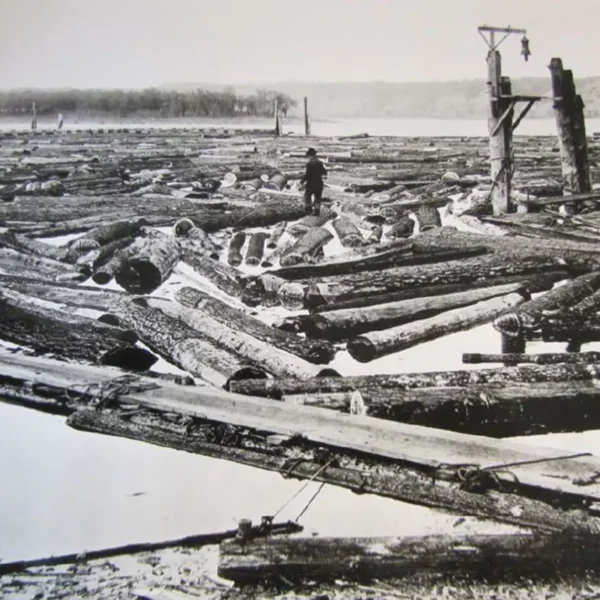
The land was first purchased and developed by Isaac Staples, a Stillwater lumber baron.
The land was used to produce food for logging camps.
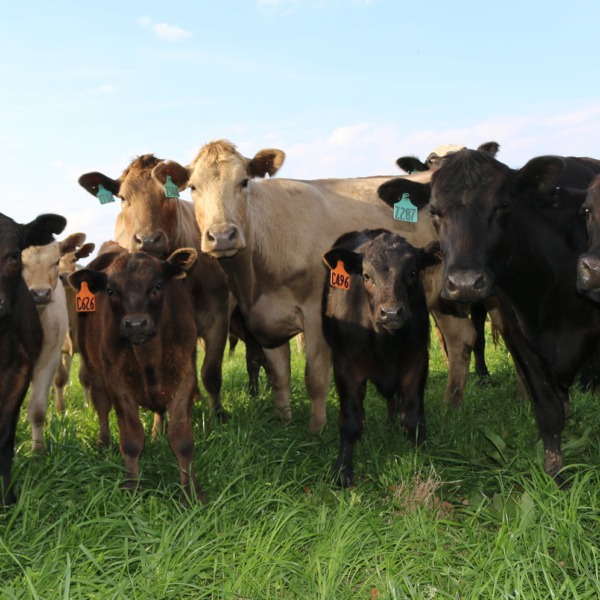
The land was then purchased by James E. Kelley, a St. Paul lawyer who developed the land into a working ranch. It was established as the Kelley Land and Cattle Company.
The Kelley family reached out to the county with interest in selling their land. It quickly became a top priority for Washington County but the process was elongated due to funding difficulties.
Trust for Public Land and the landowners discuss the potential sale and acquisition of the property.
Thus began a 10 year process towards permanent land protection.

1,833 acres of Kelley Farms were sold to Trust for Public Land in two phases in Summer and Fall of 2023 using the Outdoor Heritage Fund from the Clean Water, Land and Legacy amendment. This was one of the largest purchases ever done using OHF funding.
TPL acted as an intermediary organization that funded the project then relinquished ownership to the DNR for management and protection.
A total of 1,833 acres of protected land became the Keystone Woods Wildlife Management Area and was first opened to the public in October 2024!
As Wildlife Management Areas celebrate their 75th anniversary, the celebration will be held in September at Keystone Woods WMA: a tribute to the importance of this conserved land

Recreational use: past, present, future
As a WMA, one of the main goals of the land is public use and recreation. Keystone Woods WMA is currently used for a variety of recreational activities, including hunting, fishing, wildlife observation, and limited dog training. The Minnesota DNR must balance public interest in recreation with conservation and wildlife preservation efforts. This work is far from easy, as the public can have widely varied interests on land use. One example of this contention within the Keystone Woods WMA is the authorization of dog training.
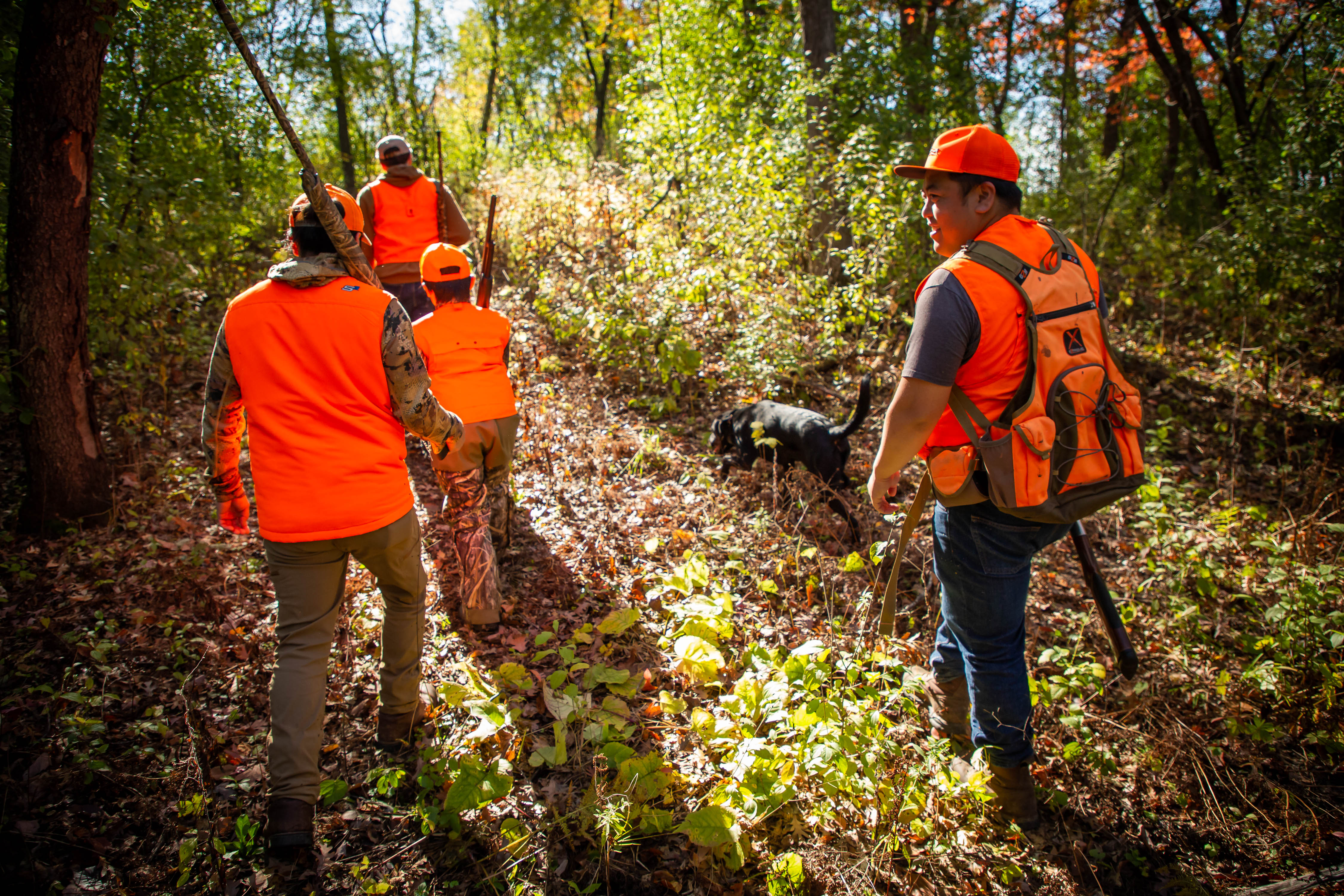
Before the land was sold, the Kelley Farm long hosted the local hunting club and allowed for the training of hunting dogs on their property.
When the DNR acquired the land, they allowed limited dog training to continue, entering a lease with the Minnesota Federation of Field Trial Clubs, making Keystone Woods WMA one of 2 dog training locations statewide. While dog trainers and hunters are grateful for the availability of open land, especially so close to the cities, critics have voiced concerns over impacts to wildlife, among other issues.

As the lease expires at the end of August, the DNR will have to consider once again whether to allow dog hunting to continue on the property, taking habitat conservation, wildlife protection, and recreational use into account.
Though the recreational uses of Keystone Woods WMA may be under debate, the land will remain protected from development as an outdoor haven for wildlife to thrive and humans to enjoy. As a 1,833 acre property, there is plenty of space for many types of recreation and enjoyment.
Land restoration
Land restoration is the process of reversing environmental degradation to return habitats to their original, healthy state.
Land restoration at Keystone Woods WMA has mainly included woodland enhancement and prairie restoration. Over the last 2 years, 400 acres of woodland has been enhanced via invasive species removal, specifically, buckthorn removal and prevention.
Prairie restoration will occur over the next 5-7 years with the ultimate goal of restoring 1100 acres of previous farmland to tallgrass prairie. 60 acres of prairie were already restored this spring through burning and seeding.

Flora and fauna
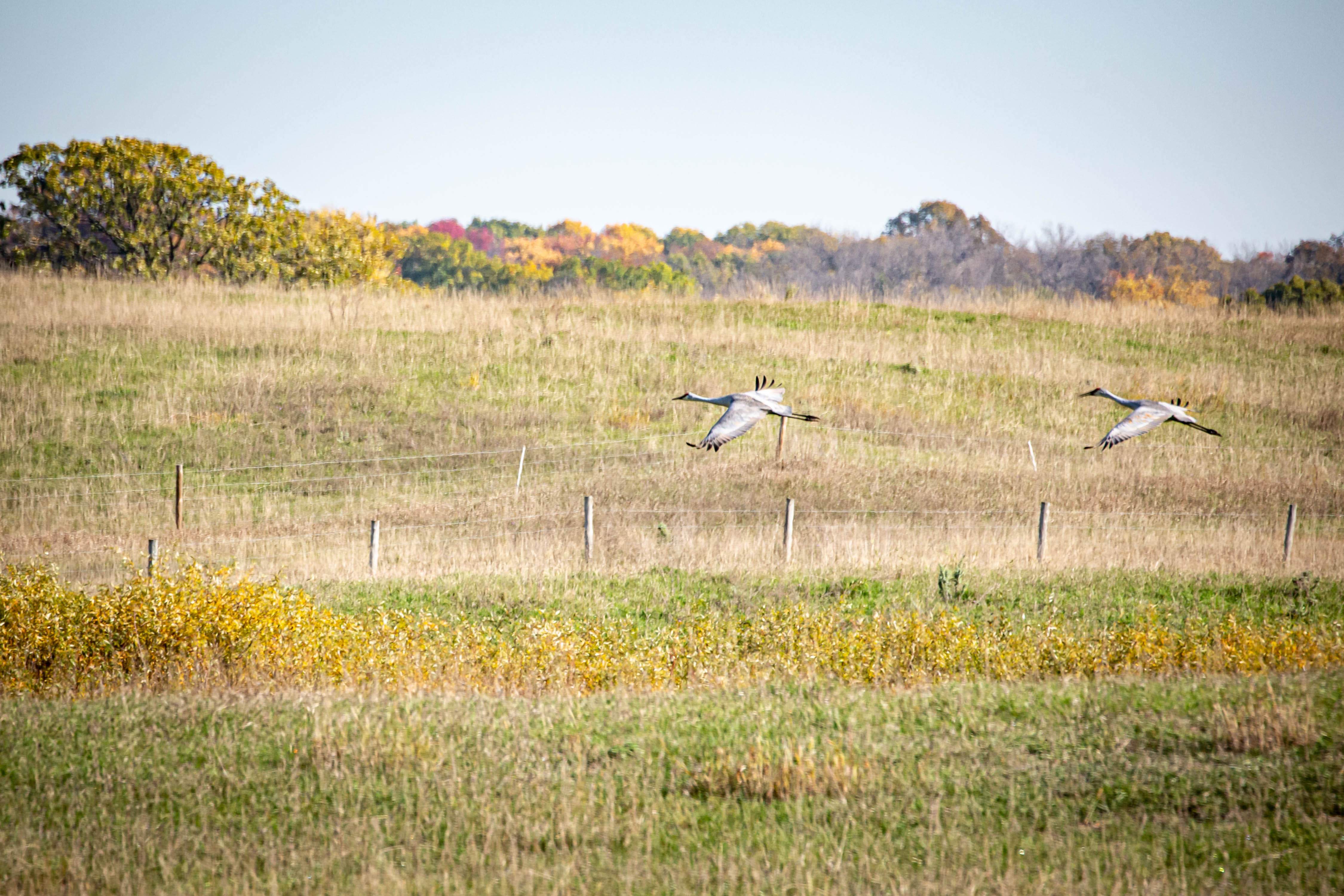
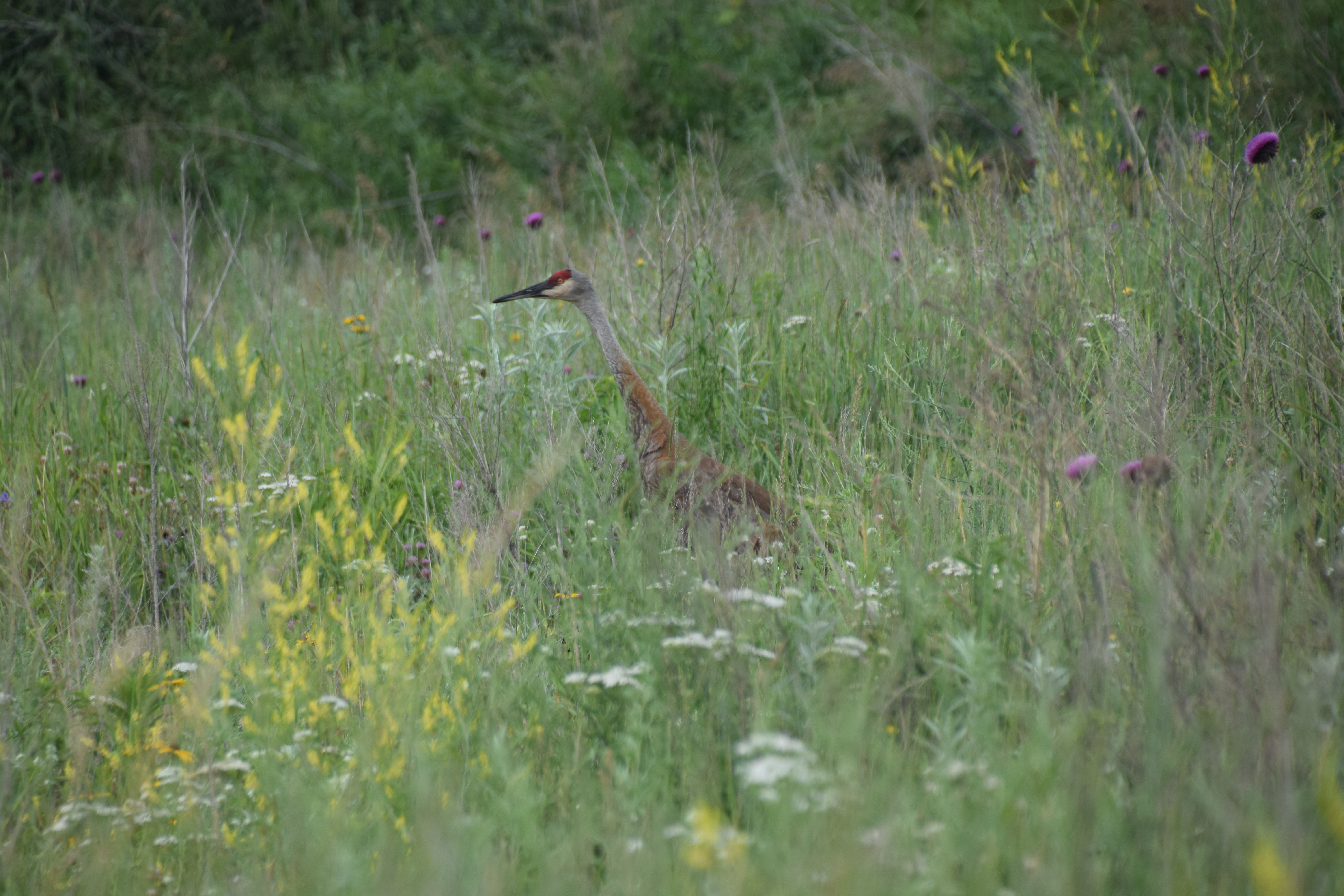
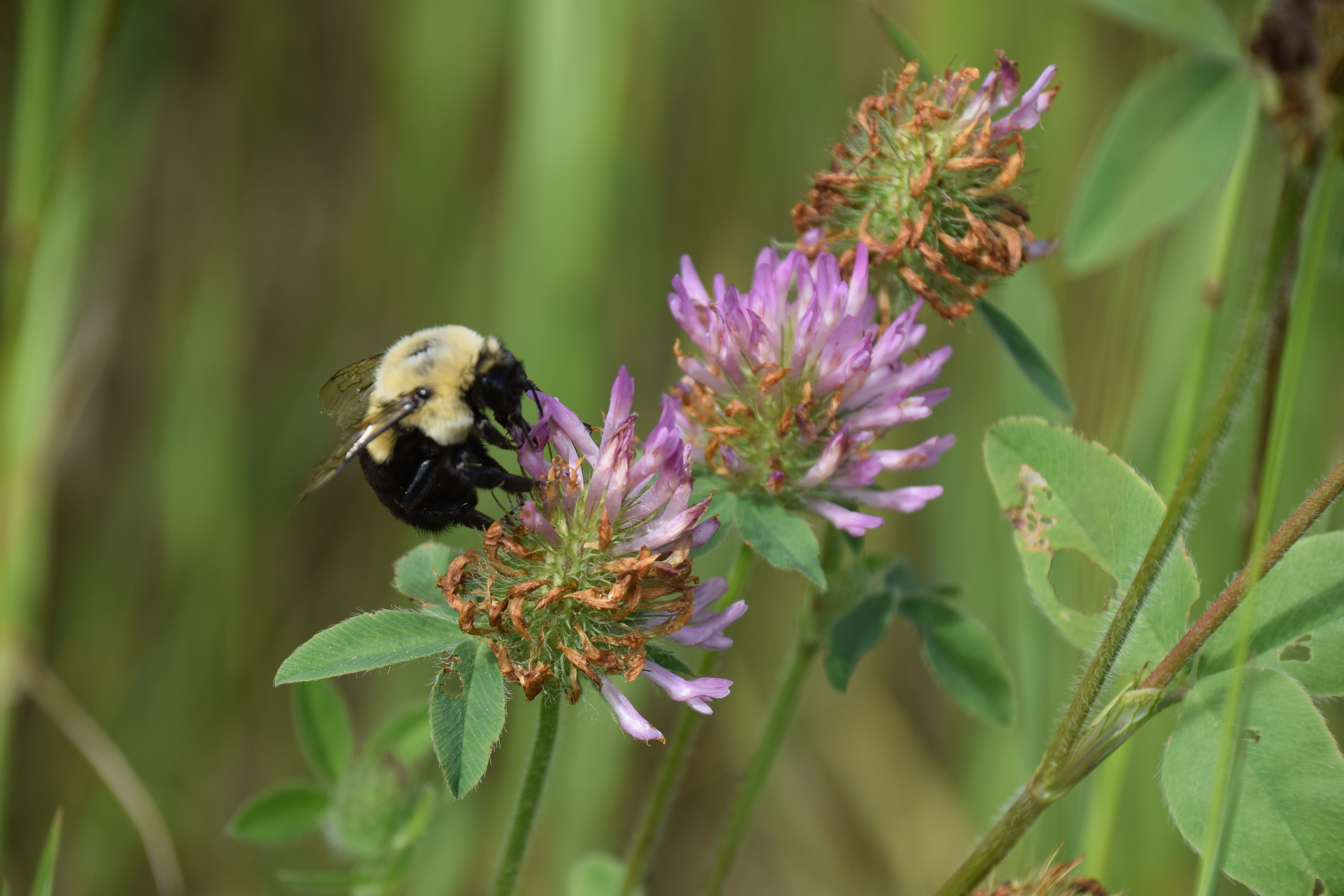
Keystone Woods WMA is home to a variety of wildlife, including some endangered and threatened species. This includes the endangered Rusty-Patch Bumblebee (Minnesota’s State bee!) as well as the threatened Blanding’s turtle and fernleaf false foxglove. Other special concern species include: the Red Shouldered Hawk, Bald Eagle, Bog Copper, Least darter, Purple martin, and Rattlebox.
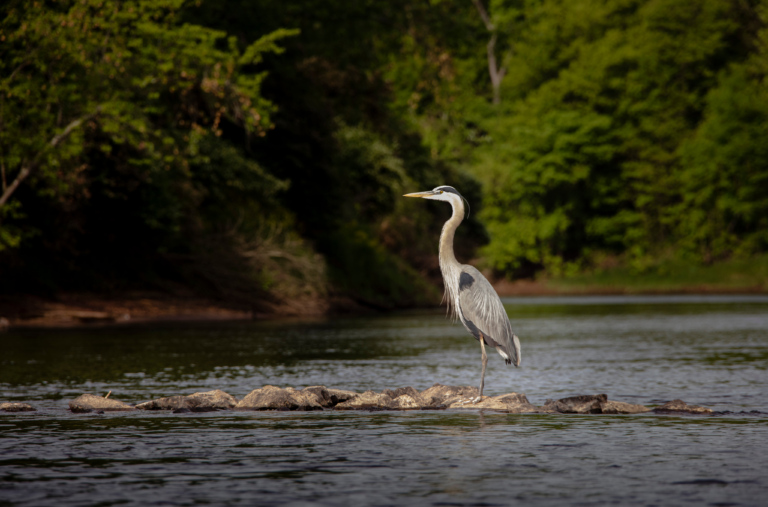
Besides threatened and endangered species, Keystone Woods WMA is home to a variety of songbirds, prairie plants, wildflowers, deer, and other common species. Birdwatchers, be sure to bring your binoculars! There is plenty to observe in this wildlife area.
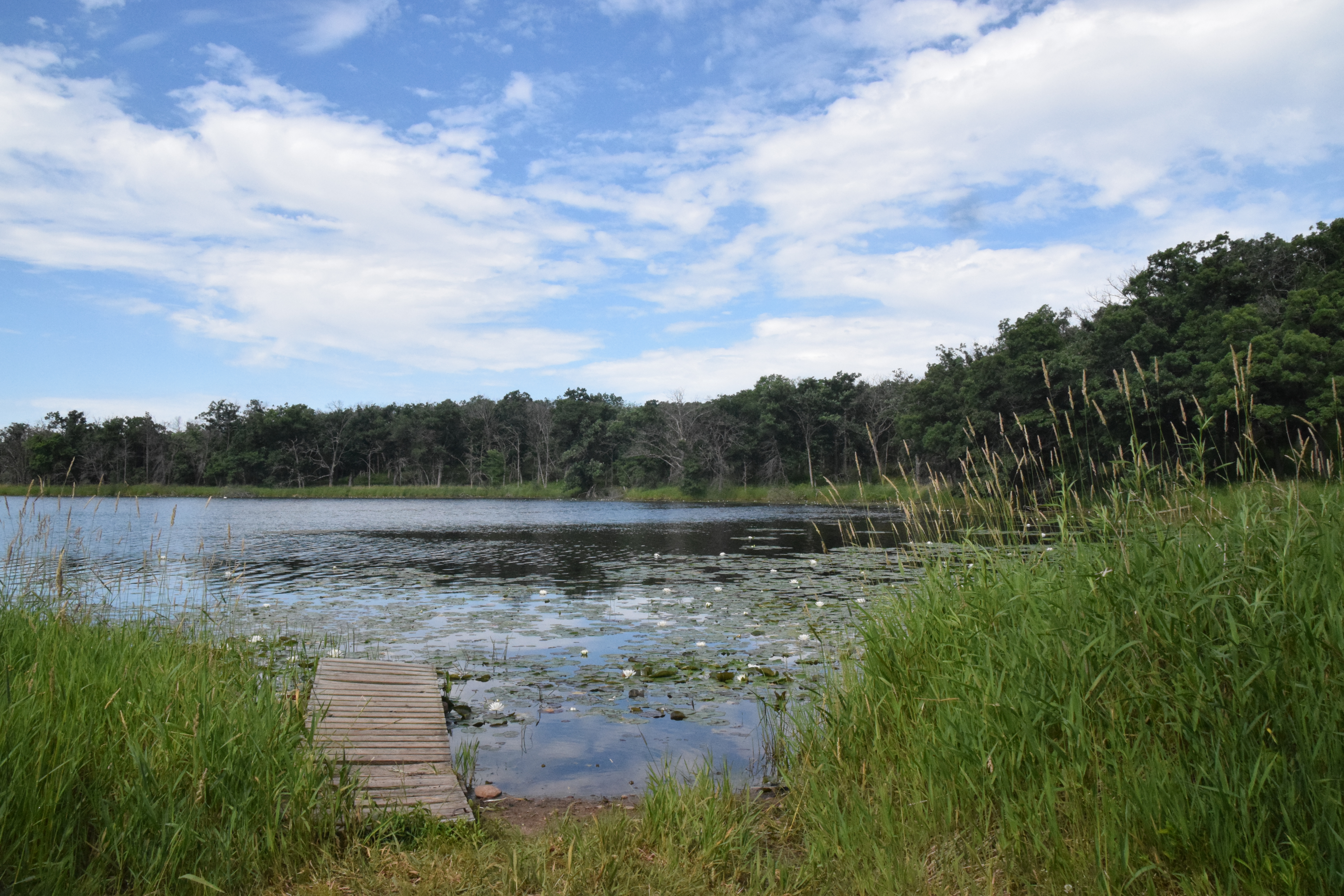

75th Anniversary of Wildlife Management Areas to be celebrated at Keystone Woods WMA
In September 2026, the DNR will celebrate the 75th anniversary of Wildlife Management Areas as a tool for restoring and protecting land. This celebration will occur at Keystone Woods WMA, a tribute to the love and appreciation felt for this property. WMA’s have helped change the public and political view on the environment as something to be cherished, rather than taken advantage of. Keystone Woods WMA is a prime example of cherished land for all to share.
Photo Credits: ©Hansi Johnson, courtesy of Trust for Public Land and Addy Gove
Sources: DNR, MPR, National Geographic, OHF, StarTribune, TPL, Washington County
Read More
News
Government Shutdown Update: Standing Together for the St. Croix National Scenic Riverway
October 9, 2025
News
The Saint Croix National Scenic Riverway Needs Your Voice
February 25, 2025

Exploration
Five Spooky Creatures of the St. Croix River
October 24, 2024
Get More Stories
Join Our Email Newsletter