“Always remember to Clean, Drain, Dry, and Dispose!” Many of us have heard this phrase often, likely at the boat launch before a day on the water. What most folks don’t know is that the importance of the message lies within the reasoning behind each of these important steps. Read on to learn about the ‘why’ behind these critical actions and be sure to follow these steps to prevent the spread of aquatic invasive species (AIS) in the St. Croix watershed this open water season!
Clean
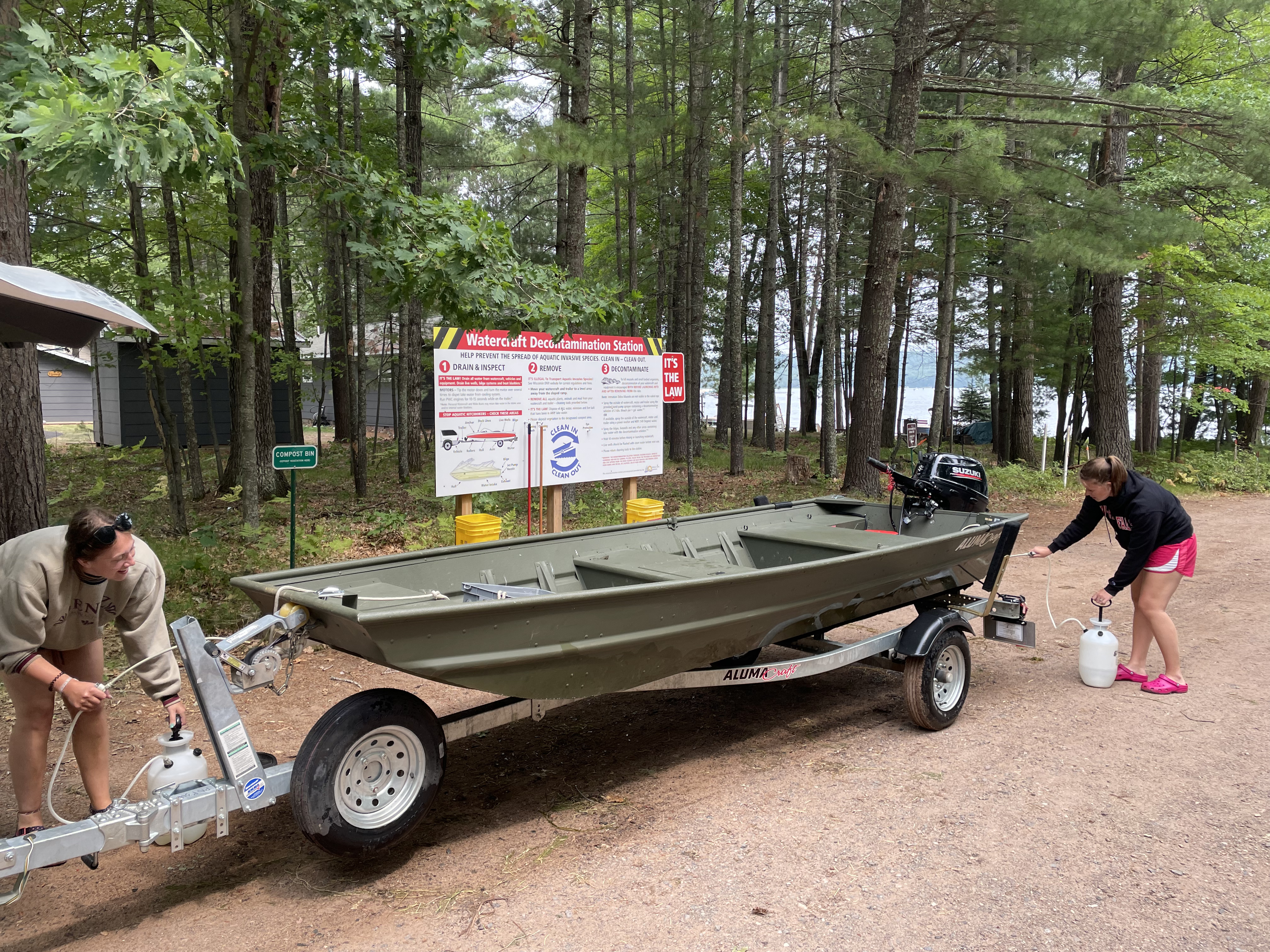
Katie Sickmann, Wild Rivers Conservancy
The first step in aquatic invasive species prevention is to inspect your watercraft, trailer, and all water-related equipment before entering and before leaving a boat launch. During this inspection of your watercraft and equipment, you are looking for and cleaning off any attached plants, animals and mud. Many of us only think about removing unwanted hitchhikers from our boats and trailers, but it is just as important to clean off water-related equipment as well. This includes items such as fishing gear, anchors, ropes, floatation devices, etc.
Remember, it is illegal to to transport a boat on a public highway with aquatic plants or animals attached to the boat, trailer, or equipment!
Drain & Dry
The next critical step in aquatic invasive species prevention is to drain all the water from your boat, which includes boat motors, livewells, and all other equipment. In Wisconsin and Minnesota, fish cannot be transported home in water from the waterbody they were caught in. Instead, one recommendation to keep your fish fresh on your drive home is to keep them on ice.
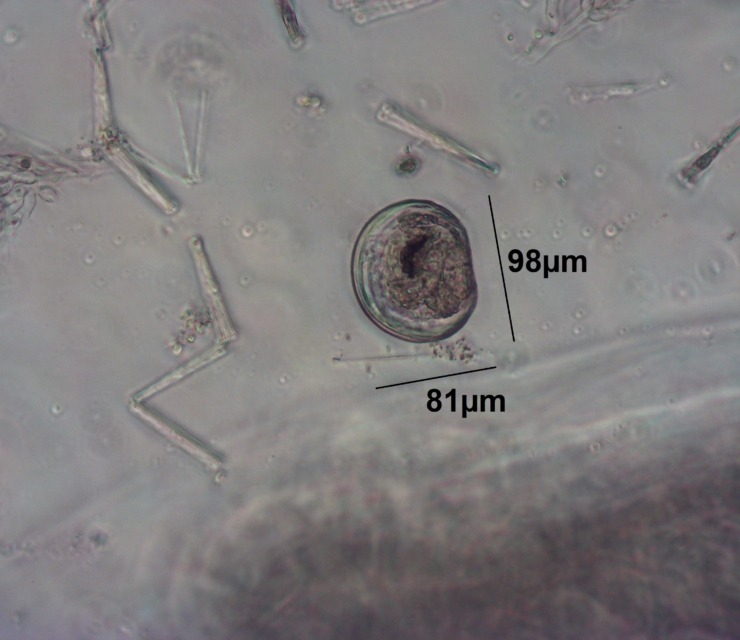
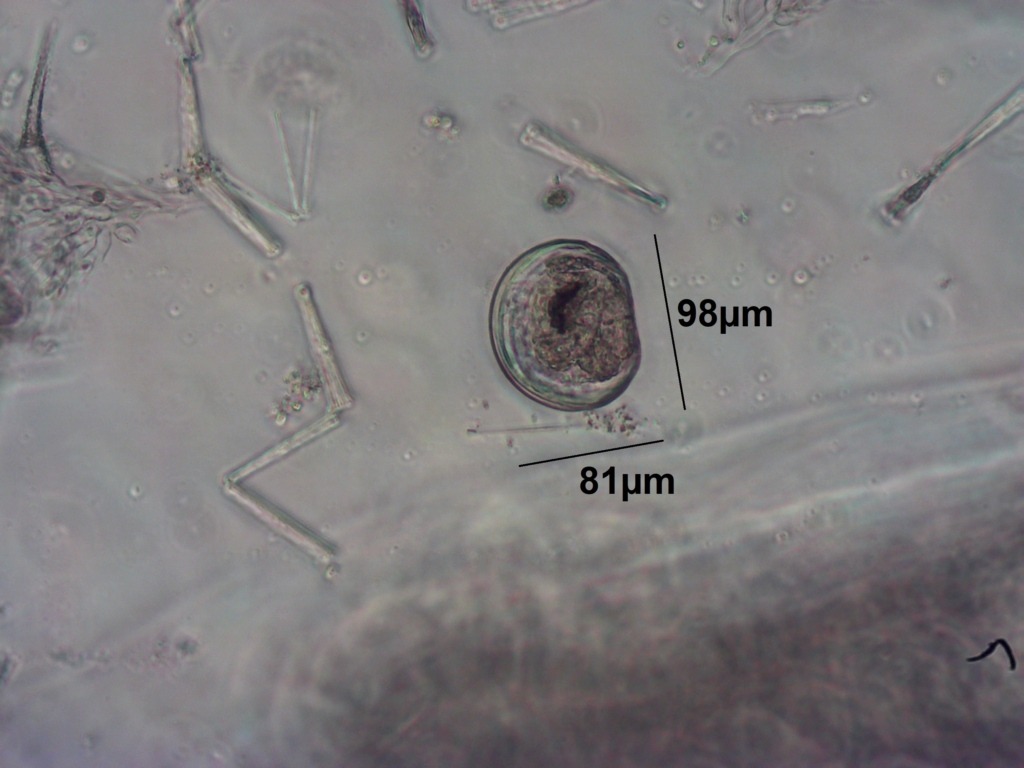
Draining and drying your watercraft and gear is especially important to prevent the spread of small AIS that are hard to see, such as zebra mussels and spiny water fleas. Did you know that zebra mussels begin their life cycle in a larval form called a veliger, which are free-floating in the water column and invisible to the naked eye?
Dispose
The final step in aquatic invasive species prevention is to properly dispose of all unused bait in the trash. In Wisconsin, you are only allowed to use leftover minnows on another body of water if they are purchased from a Wisconsin bait dealer and if no lake/river water or other fish were added to the container. You are restricted to reusing those minnows only on that same body of water if no lake/river water was added to the container. All other bait must be disposed of in the trash and may not be reused.
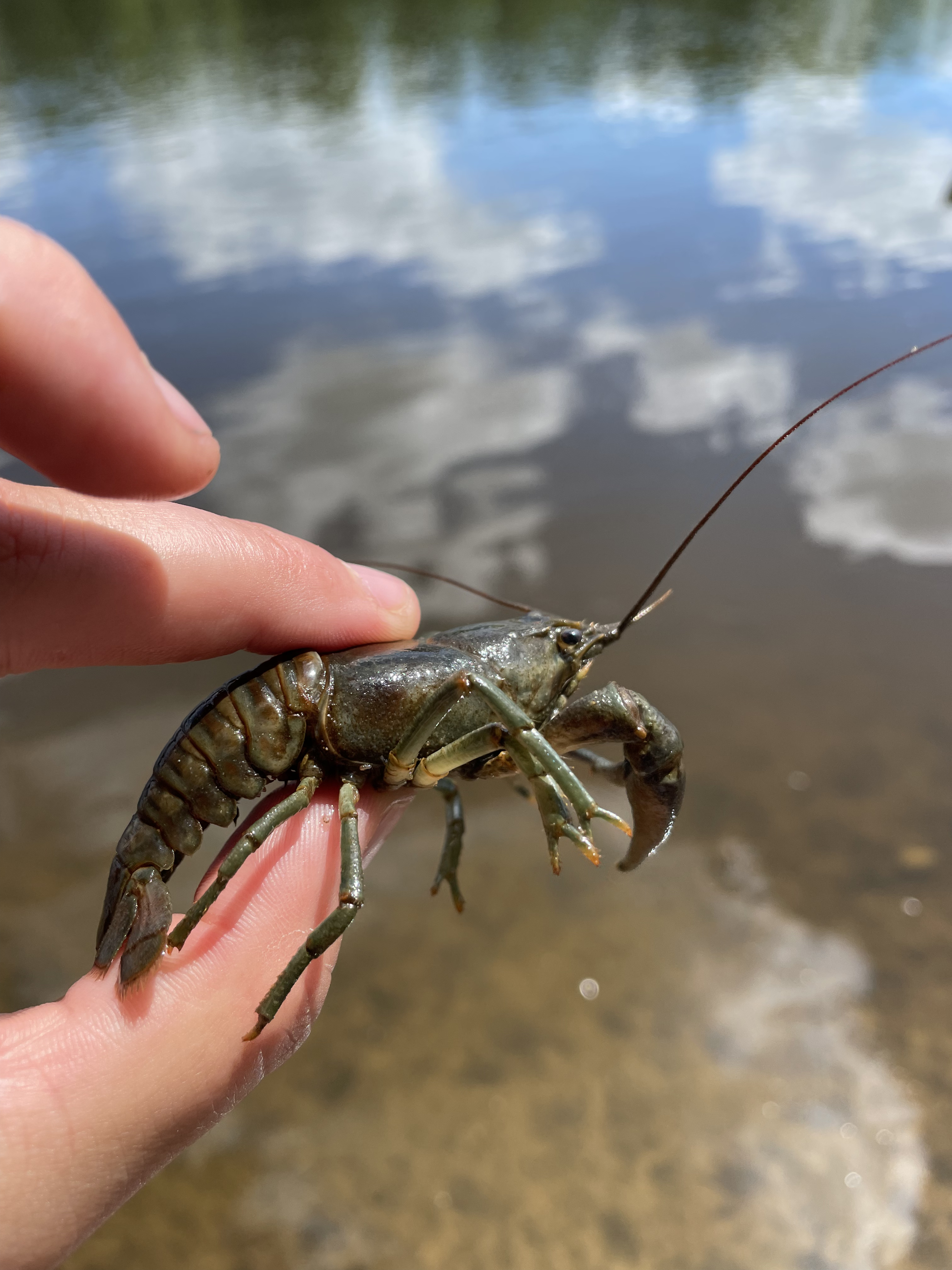
This step is important because bait that is not disposed of has the potential to become an invasive species itself. For example, rusty crayfish are a species of crayfish that are invasive in Minnesota and Wisconsin, and they are believed to have been introduced to the region after being discarded after being used as bait.
Keep an Eye out for Watercraft Inspectors
In May through September 2026, Wild Rivers Conservancy will have Clean Boats, Clean Waters watercraft inspectors at Lakefront Park in Hudson, WI and at Lion’s Park in St. Croix Falls, WI to educate the public about the risks of AIS and the importance of inspecting your watercraft. These inspectors will be working with the public to ensure that everyone using the launches is aware of the AIS prevention laws and how to stay in compliance with them. Remember, as recreationists and enjoyers of lakes and rivers in the St. Croix watershed, we all have a responsibility to do our part to prevent the spread of aquatic invasive species!
Read More
Invasive Species
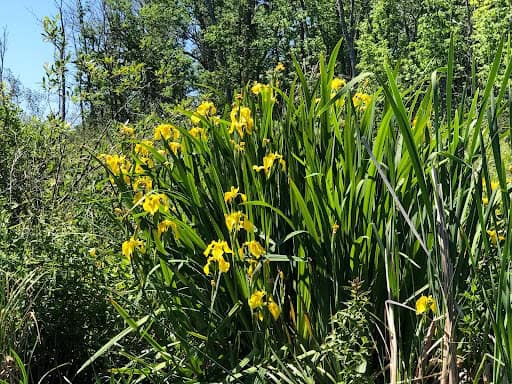
My, What Yellow Flowers You Have: Yellow Flag Iris and Its Impacts
May 19, 2024
Invasive Species
Emerald Ash Borer: A Small but Destructive Insect
December 4, 2023
Invasive Species
A River of Purple: Invasive Purple Loosestrife within the St. Croix Watershed
July 7, 2023
Get More Stories
Join Our Email Newsletter